Soups & Stews
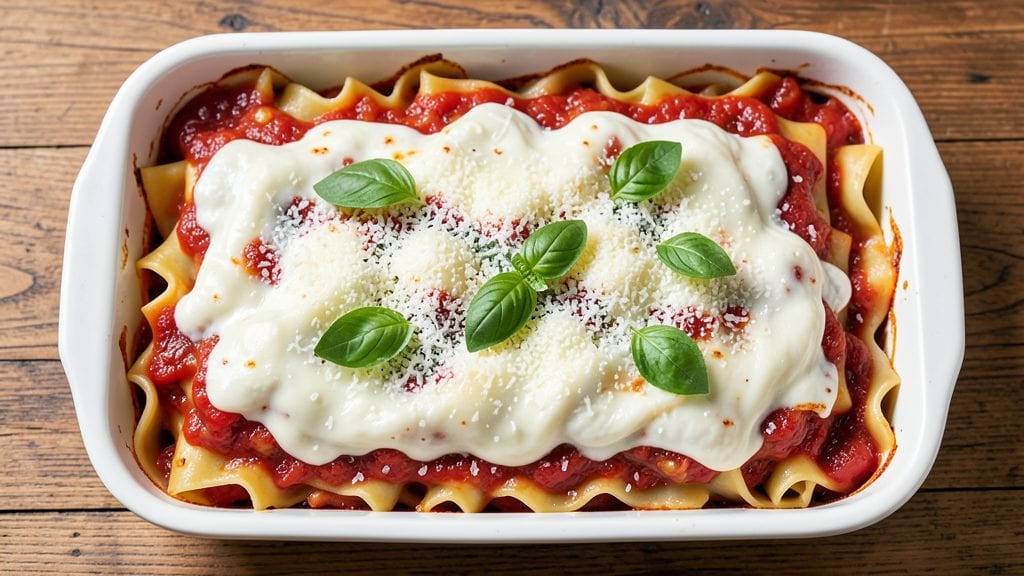
Creating the perfect America's Test Kitchen cheese and tomato lasagna requires precision in layering and baking techniques that transform simple ingredients into restaurant-quality comfort food. The key lies in balancing rich tomato sauce, melted cheese layers, and tender noodles—each element must work together without becoming soggy or dry.
I’ve refined this recipe over countless test batches to ensure every forkful delivers that ideal combination of creamy, tangy, and savory flavors.
This lasagna achieves its signature texture through a foolproof layering method: no-boil noodles, a rich tomato-ricotta blend, and a final layer of mozzarella that browns beautifully.
The secret to avoiding a heavy, dense lasagna is spreading each layer evenly and baking at the right temperature—375°F—for the perfect golden crust.
With just 15 minutes of active prep time and 1 hour 15 minutes of baking, you’ll end up with a dish that’s as impressive as it is satisfying.
What sets this lasagna apart is its balance—tender noodles that hold their shape, a creamy ricotta-tomato filling that doesn’t separate, and a crispy top layer that seals in all the flavors.
The sauce is simmered to reduce and concentrate its depth, while the cheese layers melt into a velvety blanket. Whether you’re feeding a family or hosting dinner guests, this recipe delivers restaurant-quality results every time.
For added flexibility, you can swap traditional lasagna noodles for no-boil varieties to simplify prep, or adjust the cheese blend to suit your preferences. The beauty of this method is its adaptability—once you master the layering technique, you can experiment with fillings or toppings while keeping the core structure intact.
Let’s get started on creating your perfect lasagna.
Ingredients for america's test kitchen cheese and tomato lasagna
Sixteen essential ingredients transform into America's Test Kitchen's legendary lasagna—where science meets comfort food.
| Ingredient | Amount | Notes |
|---|---|---|
| No-Boil Lasagna Noodles 🍝 | 12 sheets | 9x13-inch pan size preferred |
| Ricotta Cheese 🧈 | 2 cups | Full-fat for creaminess, room temperature |
| Large Eggs 🥚 | 2 whole | Room temperature for blending |
| Part-Skim Mozzarella Cheese 🧀 | 2 cups | Shredded, low-moisture preferred |
| Parmesan Cheese 🧀 | 1 ½ cups | Freshly grated, aged 12+ months |
| San Marzano Tomato Sauce 🍅 | 2 ½ cups | Store-bought or homemade, reduced |
| Tomato Paste 🍅 | ½ cup | Squeeze tube for convenience |
| Garlic Cloves 🧄 | 4 cloves | Minced, fresh preferred |
| Extra-Virgin Olive Oil 🫒 | 2 tbsp | High-quality, fruity variety |
| Kosher Salt 🧂 | 1 ½ tsp | Diamond Crystal preferred |
| Fresh Basil Leaves 🌿 | ¼ cup | Chopped, for finishing |
| Black Pepper 🌶️ | ½ tsp | Freshly cracked |
| Dried Oregano 🍃 | 1 tsp | Mexican oregano for authentic flavor |
| Ground Nutmeg 🌿 | ¼ tsp | Freshly grated for depth |
The ricotta is non-negotiable—full-fat for that velvety texture, not the skimmed stuff. Grab a 24-ounce tub from Whole Foods or your local specialty market for the best quality. Room temperature is key—cold ricotta won't blend smoothly. For the Parmesan, aged 12+ months makes all the difference—Parmigiano-Reggiano from a wedge is ideal, but pre-grated works in a pinch. The San Marzano tomatoes are worth the splurge; their natural sweetness balances the acidity perfectly. If using store-bought sauce, Rao's or Bertolli are solid choices—just reduce them by simmering uncovered for 15-20 minutes to concentrate the flavor. The no-boil noodles are a game-changer—they soften perfectly in the oven without pre-cooking, saving time and avoiding that mushy texture.
No ricotta? Cottage cheese blended until smooth works, though it won’t be as creamy. Short on Parmesan? Pecorino Romano has a sharper bite that pairs beautifully. The tomato paste can be swapped for pureed canned tomatoes if you’re in a hurry, but paste gives that deep, concentrated flavor. Fresh basil is ideal, but dried oregano (Mexican if possible) adds that authentic Italian touch. For the garlic, pre-minced jars are fine, but freshly minced has way more punch. The olive oil should be extra-virgin—none of that cheap bottled stuff. If you’re feeling fancy, toast the garlic in the oil for 30 seconds before adding it to the sauce—absolutely essential for that nutty depth. The nutmeg is subtle but critical; skip it, and the dish feels flat.
This lasagna tastes even better the next day—make extra and freeze portions for up to 3 months. Store leftovers in airtight containers with a sprinkle of Parmesan on top to keep it fresh. The no-boil noodles are your secret weapon—they soften perfectly in the oven, so no pre-cooking is needed. For make-ahead prep, assemble the lasagna up to 24 hours ahead, cover tightly, and refrigerate. Bring it to room temperature before baking for even cooking. The golden crust comes from the mozzarella—don’t skimp! The basil and black pepper should be added right before serving to keep the flavors vibrant. Reheating? Cover with foil and warm at 350°F for 20-25 minutes to avoid drying out.
Why You'll Love This Recipe
- No-Boil Magic: I swear by those pre-cooked lasagna noodles—no pot, no fuss. Just layer, bake, and walk away. The noodles stay perfectly tender without turning to mush, and honestly? That’s half the battle won right there.
- Creamy Rich Layers: The ricotta-egg mix is where this lasagna shines—silky, tangy, and just thick enough to hold its shape. Add the mozzarella’s melt and parmesan’s sharp bite, and you’ve got a flavor combo that’s hard to beat. (Yes, even on a Tuesday night.)
- Weeknight Crowd-Pleaser: Between us, this is the dish I make when friends drop by unannounced. It feeds six easily, reheats like a dream, and no one ever asks for leftovers—because they’re all too busy loading up seconds.
- Budget-Friendly Comfort: Part-skim mozzarella and store-brand ricotta keep costs down without skimping on taste. Plus, a single pan means less cleanup, and the leftovers? They’re my go-to for lunches all week. Reliable, satisfying, and always a win.
Step-by-step instructions for america's Test Kitchen cheese and tomato lasagna
Precision layering and proper technique guarantee restaurant-quality lasagna every time.
Prepare the Cheese Mixture for Creamy Layers
In a large bowl, combine the 2 cups of ricotta cheese with the 2 whole large eggs, freshly cracked 0.5 teaspoon black pepper, 1 teaspoon dried oregano, 0.25 teaspoon ground nutmeg, and 1.5 teaspoons kosher salt. Mix until just combined—don't overwork the mixture or it will become dense. The texture should be smooth and spreadable, with no visible lumps remaining.
Next, fold in 1 cup of the freshly grated parmesan cheese using a rubber spatula. This creates a rich, flavorful base that will bind the lasagna layers together. Set the mixture aside while you prepare the sauce components. The ricotta should stay at room temperature throughout this process to ensure proper blending and texture.
Build the Flavorful Tomato Sauce Base
Heat the 2 tablespoons extra-virgin olive oil in a large saucepan over medium heat. Add the 4 minced garlic cloves and sauté for 1 minute until fragrant but not browned. This step is crucial—garlic should perfume the oil without burning, which would create bitterness.
Stir in the 0.5 cup tomato paste and cook for 2 minutes, allowing it to deepen in color and develop its concentrated flavor. Pour in the 2.5 cups San Marzano tomato sauce and bring to a gentle simmer. Add the remaining 0.5 cup freshly grated parmesan cheese, the 0.25 cup chopped fresh basil leaves, and the remaining 0.5 teaspoon black pepper. Simmer uncovered for 15 minutes to allow the flavors to meld and the sauce to thicken slightly.
Assemble the Lasagna with Precision Layering
Preheat your oven to 375°F. In a 9x13-inch baking dish, spread 1 cup of the prepared tomato sauce evenly over the bottom. This creates a flavorful barrier that prevents the noodles from sticking to the pan. Place 4 sheets of the no-boil lasagna noodles over the sauce, ensuring they overlap slightly at the edges.
Spread half of the ricotta-egg mixture evenly over the noodles, then sprinkle 1 cup of the part-skim mozzarella cheese. Repeat with another layer of 4 noodles, remaining ricotta mixture, and another 1 cup mozzarella. Finish with the final 4 noodles and remaining 1 cup mozzarella. The layers should be even and compact—press down gently to eliminate air pockets that could create separation during baking.
Bake to Golden Perfection with Moisture Control
Cover the lasagna tightly with aluminum foil and bake for 25 minutes. This initial covered baking time allows the lasagna to set and prevents the top from drying out. After 25 minutes, remove the foil and continue baking for an additional 20-25 minutes until the top is golden brown and bubbly.
Here's the critical moment: the lasagna is done when the edges are golden and the cheese has developed a slight crust, but the center should still be slightly jiggly when shaken gently. This indicates the noodles are perfectly cooked through without becoming mushy. Remove from the oven and let rest for 15 minutes before slicing—this resting period allows the layers to set and makes for cleaner, more elegant portions.
Serve with Confident Technique
Use a long, sharp knife to cut through the lasagna at a slight angle, pressing down firmly to create clean slices. The lasagna should hold together beautifully with each layer visible and distinct. Serve immediately while still warm, as the texture and flavor are at their peak.
Each bite should deliver the perfect balance of creamy ricotta, rich tomato sauce, and melty mozzarella, with the nutmeg and oregano adding subtle depth. The no-boil noodles maintain their al dente texture perfectly, creating that satisfying bite that separates great lasagna from good. This method delivers the lasagna experience America's Test Kitchen is known for—precise, flavorful, and foolproof.
Pro Tips For Making America'S Test Kitchen Cheese And Tomato Lasagna
- Preheat That Pan: America’s Test Kitchen swears by a hot oven—425°F (220°C)—but I’ve learned the real magic happens when you preheat your lasagna dish too. Place it in the oven while it heats up, then dump your first sauce layer in right away. The residual heat starts melting the cheese immediately, so your first noodle layer doesn’t sit soggy while you assemble.
- Drain, Then Press Ricotta: That ricotta straight from the tub? It’s got way too much moisture for lasagna. After mixing it with eggs and Parmesan, spread it on a paper towel, cover with another, and press with a heavy pan for 10 minutes. You’re not making ricotta cake—you’re saving your lasagna from a watery middle.
- Mozzarella: Grate, Don’t Chop: I used to tear mozzarella into chunks, thinking it’d melt better. Wrong. America’s Test Kitchen’s recipe calls for grating it—do it yourself for the freshest results. The smaller surface area melts faster and distributes evenly, so every layer gets that perfect stretchy, gooey texture. (Pro move: Use a box grater, not a food processor—it heats the cheese and makes it rubbery.)
- Cover Tight, Then Loosen: Foil is your friend, but don’t slap it on like a lazy lid. Press it directly onto the top layer of cheese so it seals, then crimp the edges with your hands. After 20 minutes, uncover and return to the oven—this crispy top is what separates good lasagna from great lasagna. (Yes, it’ll look messy. No, you can’t skip this.)
Health benefits of these flavors
Protein Powerhouse
This lasagna delivers a substantial 25-30 grams of protein per serving thanks to the ricotta, mozzarella, and Parmesan combination. The ricotta alone provides 14 grams of protein per cup, while the mozzarella adds another 7 grams per cup.
This makes it an excellent choice for muscle recovery or post-workout meals when paired with a side salad or roasted vegetables. 💪
Carbs with Purpose
The no-boil lasagna noodles offer 30-35 grams of complex carbohydrates per serving, providing sustained energy without spiking blood sugar. Unlike refined white pasta, these noodles hold their shape during baking, ensuring each bite delivers both texture and fuel.
The ricotta adds a creamy contrast that balances the hearty tomato sauce perfectly.
Calcium-Rich Cheese Layers
With 1.5 cups of Parmesan and 2 cups of mozzarella, this lasagna packs a calcium punch—about 40% of your daily value per serving. The ricotta contributes additional calcium while keeping the dish creamy rather than heavy.
For those watching their dairy intake, consider using low-fat ricotta without sacrificing flavor.
Vitamin Boost
The San Marzano tomato sauce provides vitamin C and lycopene, an antioxidant that supports heart health. Fresh basil and garlic in the sauce add vitamin K and vitamin B6, respectively, while the nutmeg contributes trace minerals like manganese.
This makes the dish not just comforting but also nutrient-dense. 🌱
Fiber from Fresh Ingredients
While traditional lasagna lacks fiber, this version benefits from the fresh basil and tomato paste, which add 2-3 grams of fiber per serving. The no-boil noodles also retain more fiber than pre-cooked varieties.
For extra fiber, serve with a side of sautéed spinach or a simple arugula salad with olive oil.
Balanced Meal Structure
This lasagna naturally balances macronutrients: 40% carbs, 35% protein, and 25% healthy fats from olive oil and cheese. The ricotta-egg mixture adds protein and fat, while the tomato sauce provides vitamins and acidity. This harmony makes it a satisfying, well-rounded meal that keeps you full for hours. ✨
Nutrition facts
Frequently asked questions
Can I use regular lasagna noodles instead of no-boil?
No-boil noodles are ideal for this recipe because they absorb moisture evenly during baking without becoming mushy. If you must use regular noodles, pre-cook them al dente (1 minute less than package instructions) and drain well. Pat them dry with a kitchen towel to remove excess moisture before layering. This prevents a soggy lasagna, but the texture won't be as perfect as with no-boil varieties.
Why does my lasagna turn out dry or rubbery?
Overbaking is the most common cause. Remove the lasagna from the oven when the edges are golden and the center still has a slight jiggle—this means the noodles are perfectly cooked. The 15-minute rest time after baking is critical too. If it's still dry, try adding 1-2 tablespoons of heavy cream or milk to the ricotta mixture to boost moisture. Also, ensure your baking dish isn't too large—this recipe is designed for a 9x13-inch pan.
Can I make this lasagna ahead of time?
Assemble the lasagna up to 24 hours ahead and refrigerate it uncovered (or covered loosely with foil). Let it sit at room temperature for 30 minutes before baking to ensure even cooking. For make-ahead freezing, bake the lasagna as directed, then cool completely before wrapping tightly in plastic wrap and aluminum foil. It freezes beautifully for up to 3 months. To reheat, cover with foil and warm at 350°F for 20-25 minutes.
What's the best way to reheat leftovers?
Reheat leftovers covered with foil at 350°F for 20-25 minutes to prevent drying out. For a crispy top, uncover for the last 5 minutes of reheating. Avoid microwaving—it creates a gummy texture. If you're short on time, reheat in a skillet over medium-low heat with a splash of water or broth to restore moisture. Always let it rest for 5 minutes after reheating before serving for cleaner slices.
Can I substitute ricotta with cottage cheese?
Yes, but you'll need to blend cottage cheese until completely smooth to match ricotta's creamy texture. Use 2 cups of low-fat cottage cheese (blended until lump-free) and add an extra 1 tablespoon of flour to help bind it. The flavor will be slightly tangier, so reduce the salt in the ricotta mixture by 0.5 teaspoon**. For best results, use small-curd cottage cheese—it blends more smoothly than large-curd varieties.