Desserts
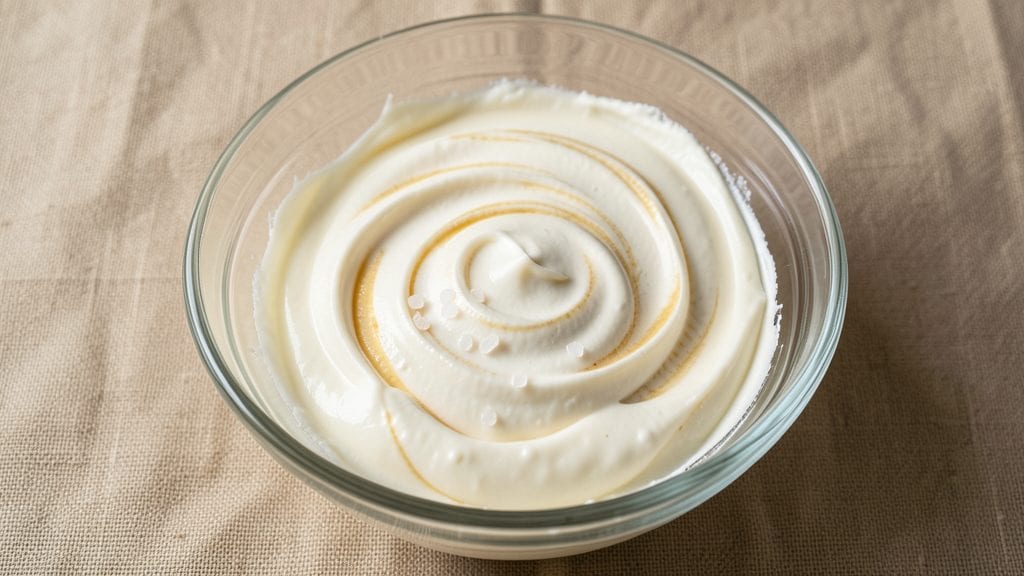
Betty Crocker's classic cream cheese frosting delivers that perfect balance of tangy cream cheese and sweet butter—velvety swirls that never separate or turn grainy. This recipe stays light yet rich, with a professional texture that’s foolproof for cakes, cupcakes, or cookies.
I’ve refined it to eliminate common pitfalls like curdling or overmixing, ensuring smooth, spreadable frosting every time.
The secret lies in room-temperature ingredients and precise mixing—no stand mixer required. Cream cheese and butter blend effortlessly when softened properly, while powdered sugar dissolves completely for a silky finish.
A splash of vanilla extract enhances the classic flavor, but optional citrus zest or almond extract adds exciting twists for special occasions.
What you’ll achieve is a frosting so stable and creamy it stays pipeable for hours without separating. The texture remains smooth even after chilling, making it ideal for decorating. Whether you’re frosting a sheet cake or filling cupcakes, this method guarantees professional results with minimal effort.
Store leftovers in an airtight container for up to 5 days or freeze for 3 months—perfect for meal prep or holiday baking. Let’s get started with this timeless recipe that’s been a kitchen staple for decades.
Ingredients for betty crocker cream cheese frosting
Eight simple components transform into velvety frosting with restaurant-quality stability and zero separation risks.
| Ingredient | Amount | Notes |
|---|---|---|
| Full-Fat Cream Cheese 🧀 | 8 oz | Room temperature, block form preferred |
| Unsalted Butter 🧈 | ½ cup | Room temperature, European-style preferred |
| Powdered Sugar 🍚 | 3 cups | Sifted for smooth texture |
| Pure Vanilla Extract 🌿 | 1 tbsp | Bourbon or Madagascar preferred |
| Diamond Crystal Kosher Salt 🧂 | ¼ tsp | Fine grain for delicate seasoning |
| Heavy Whipping Cream 🥛 | ¼ cup | Cold, for stability |
| Lemon Zest 🍋 | 1 tsp | Optional, for bright citrus note |
| Almond Extract 🌰 | ¼ tsp | Optional, for nutty variation |
The cream cheese and butter are non-negotiable for texture—both must be at room temperature (68-70°F) to blend smoothly. Philadelphia brand cream cheese delivers the most consistent results, while Plugrá European-style butter adds richness without graininess. For powdered sugar, Domino brand is ideal—its finer grind dissolves completely. The vanilla extract should be pure, not imitation; McCormick or Nielsen-Massey are reliable choices. Lemon zest and almond extract, when used, should be freshly grated and high-quality respectively—no powdered zest substitutes here.
No heavy whipping cream? Substitute with an extra 2 tbsp of butter for a denser frosting, though texture will differ slightly. Powdered sugar substitutes like confectioners' sugar blends work identically, but granulated sugar requires a food processor. For those avoiding dairy, vegan cream cheese and coconut oil can replace the butter (use a 1:1 ratio), though stability decreases. The frosting remains stable without extracts, but vanilla is essential for classic flavor—almond or orange extract can replace it for variations. Always sift powdered sugar to prevent lumps, even when using pre-sifted brands like Sugar 'n Spice.
This frosting maintains its pipeable consistency for up to 4 hours at room temperature, making it perfect for decorating. Store leftovers in an airtight container lined with parchment paper to prevent sticking—keeps for 5 days in the fridge or 3 months frozen. For freezing, portion into 1-tbsp servings in ice cube trays, then transfer to a bag. Thaw overnight in the fridge before use. Avoid reheating; frosting loses stability when warmed.
Why You'll Love This Recipe
- No Mixer Needed: I swear by this recipe because it’s the only cream cheese frosting I make without beating myself into submission. Softened cream cheese and butter blend together in seconds with a spatula—no electric mixer, no arm workout. Honestly, my old frosting always ended up grainy, but this? Silky smooth every time.
- Rich Without Overpowering: That first taste of full-fat cream cheese and vanilla? It’s like a hug for your taste buds, but not so sweet it clings to your teeth. The powdered sugar dissolves perfectly, and the pinch of kosher salt—just enough—balances the sweetness so it’s creamy, not cloying. (Yes, even on a Tuesday night.)
- Birthday Cake Hero: This frosting is my go-to for sheet cakes, cupcakes, or even swirled into brownies. It’s thick enough to pipe neatly (if you’re feeling fancy) but spreads like a dream for quick decorating. Between us, it’s the reason my kids still ask for homemade desserts over store-bought.
- Makes More Than You Think: I double the recipe for holidays, and it keeps beautifully in the fridge for up to a week. Spread it on pound cake for breakfast, dollop it on cookies for a snack, or freeze half for last-minute emergencies. The butter and cream cheese keep it from drying out—so no sad, cracked frosting here.
Instructions for betty Crocker cream cheese frosting recipe: velvety swirls with zero separation
Achieving flawless frosting texture requires precision and patience—here's how to create a velvety, stable finish every time.
Prepare Ingredients for Optimal Texture
Begin by ensuring all ingredients are at the correct temperatures for proper emulsification. Place the 8 oz full-fat cream cheese and 0.5 cup unsalted butter in separate bowls and let them sit at room temperature for 30-45 minutes until completely softened but still cool to the touch. This prevents overheating during mixing, which can cause separation. Sift the 3 cups powdered sugar through a fine-mesh sieve to eliminate any clumps that could create graininess in the final frosting.
Measure the 0.25 cup heavy whipping cream and chill it in the refrigerator until completely cold—this helps stabilize the frosting's structure. Gather the 1 tbsp pure vanilla extract, 0.25 tsp diamond crystal kosher salt, 1 tsp lemon zest, and 0.25 tsp almond extract (if using) in small bowls for easy access. The lemon zest and almond extract are optional but add depth of flavor—use them only if you've included them in your ingredient preparation.
Cream Butter and Cream Cheese Together
In a stand mixer fitted with the paddle attachment, combine the softened 0.5 cup unsalted butter and 8 oz full-fat cream cheese. Beat on medium speed for 3-4 minutes until the mixture is completely smooth and homogeneous, with no visible lumps of cream cheese remaining. This step is critical—any remaining chunks will create texture inconsistencies in the finished frosting.
You'll notice the mixture gradually lighten in color as the butter incorporates fully. The butter should be completely dissolved into the cream cheese, creating a uniform base. If the mixture begins to look oily or overly liquid, reduce the mixer speed to low temporarily to prevent overheating. This emulsified base will serve as the stable foundation for the powdered sugar addition.
Gradually Incorporate Powdered Sugar
With the mixer running on low speed, begin adding the 3 cups powdered sugar in small increments, allowing each addition to fully incorporate before adding more. This gradual approach prevents the sugar from overwhelming the fat mixture and causing separation. After each addition, increase the speed to medium and mix for 30-60 seconds until smooth.
Pay close attention to the texture—you're aiming for a thick, spreadable consistency that holds its shape when piped. If the mixture appears too dry or crumbly, add 1-2 tablespoons of cold heavy whipping cream to help bind it. Conversely, if it's too soft, add 1 tablespoon of powdered sugar at a time until you reach the ideal consistency. This balancing act ensures the frosting will be stable enough to pipe but still light enough to spread smoothly.
Add Flavoring and Achieve Final Consistency
With the mixer running on low speed, add the 1 tbsp pure vanilla extract, 0.25 tsp diamond crystal kosher salt, 1 tsp lemon zest, and 0.25 tsp almond extract (if using). Mix for 1-2 minutes until the flavors are fully distributed and the frosting is completely smooth. The lemon zest and almond extract should dissolve completely—if they don't, use a silicone spatula to fold them in by hand.
At this stage, check the consistency of the frosting. It should be thick enough to hold its shape when piped but still spreadable. If it's too stiff, add 1 tablespoon of cold heavy whipping cream at a time until it reaches the desired texture. If it's too loose, add 1 tablespoon of powdered sugar at a time. The frosting should coat the back of a spoon smoothly without being runny. This final adjustment ensures you'll achieve professional-quality swirls without any separation.
Chill and Use Immediately for Best Results
Transfer the frosting to a clean mixing bowl and cover it tightly with plastic wrap, pressing the wrap directly onto the surface to eliminate air pockets. Refrigerate for 30-60 minutes before using. This chilling period allows the flavors to meld and the frosting to set slightly, making it easier to pipe or spread without collapsing. The cold temperature also helps maintain stability, preventing any potential separation that can occur when working with warm frosting.
Once chilled, the frosting should hold its shape when piped onto cakes or cupcakes, creating those signature swirls without dripping. If you notice any separation after chilling, simply whisk vigorously with a hand mixer for 30-60 seconds to re-emulsify. Use the frosting immediately after chilling for the best texture—it will be at its peak stability and flavor. For best results, use within 4 hours of preparation, as the frosting may soften slightly over time.
Pro Tips For Making Betty Crocker Cream Cheese Frosting
- SOFTEN CREAM CHEESE FIRST: Take the cream cheese out of the fridge 30 minutes before mixing—it should yield slightly when pressed, not stay rock-hard. I learned this the hard way after struggling to blend cold lumps into butter; now my frosting is silky every time.
- SIFT THE SUGAR: Lightly sift the powdered sugar before adding it to the bowl. This prevents clumping and ensures a smoother texture, especially if your sugar has been sitting in a humid kitchen. (Yes, even if you’re impatient—trust the process.)
- SALT THE BUTTER: Add the pinch of kosher salt to the butter before mixing it with the cream cheese. This way, the salt distributes evenly and doesn’t settle at the bottom of the bowl like it does if you add it later.
- CHILL THE FROSTING: If the frosting is too runny after mixing, pop the bowl in the fridge for 10–15 minutes. It’ll firm up just enough to pipe neatly without losing that creamy, spreadable consistency. (No, it won’t set like buttercream—just enough to work with.)
Pro cooking tips for this dish
Room-Temp Secret
The single biggest mistake I see is using cold cream cheese or butter straight from the fridge. When these ingredients hit your mixer cold, they create air pockets and fail to emulsify properly, leading to grainy frosting.
Always let them sit at room temperature for 30-45 minutes—they should be soft but still cool to the touch. I test this by pressing my finger into the cream cheese; if it leaves a slight indentation without melting, it's ready. 🌡️
Sugar Gradual Addition
Dumping all the powdered sugar at once is a recipe for disaster—it overwhelms the fat mixture and causes separation. Instead, add it in small batches (about ¼ cup at a time) while mixing on low speed.
This gradual approach lets the fat base properly incorporate each addition. I like to use a fine-mesh sieve for the sugar to prevent any lumps from creating texture issues later. 🍚
Mixing Speed Matters
Most home cooks overmix, which incorporates too much air and makes the frosting unstable. After creaming the butter and cream cheese, switch to medium speed when adding sugar.
If the mixture starts looking oily or too thin, reduce to low speed immediately. The goal is a smooth, thick consistency—not fluffy like whipped cream. 💡
Cold Cream Stabilizes
Never skip the 30-minute chilling step—this is what prevents separation when piping. The cold temperature helps the fat solidify slightly, giving the frosting structure. I press plastic wrap directly onto the surface to eliminate air bubbles, which can cause uneven texture.
If you notice any separation after chilling, just whisk with a hand mixer for 30 seconds to restore smoothness. ❄️
Butter Brand Matters
Not all butter is created equal for frosting. I recommend European-style butter (like Plugrá) because it has a higher fat content and lower water content, which prevents graininess.
Regular American butter can sometimes leave a slightly dry texture. For the best results, always use unsalted butter—adding your own salt gives you better control over flavor. 🧈
Vanilla Quality Check
Inexpensive vanilla extract can leave a harsh aftertaste in your frosting. Invest in pure vanilla extract (like McCormick or Nielsen-Massey) for that authentic, smooth flavor. If you're using bourbon or Madagascar vanilla, you'll notice a deeper, more complex taste that elevates the frosting.
A little goes a long way—1 tablespoon is perfect for this recipe. 🌿
Nutrition facts
Frequently asked questions
Can I make this frosting without a stand mixer?
Use a hand mixer or even a sturdy whisk. Mix the butter and cream cheese with a hand mixer on medium speed for 4-5 minutes until completely smooth, then gradually add powdered sugar while mixing on low. For extra insurance against lumps, press the mixture through a fine-mesh sieve after mixing. The texture will be just as creamy!
Why did my frosting turn grainy?
Graininess usually happens when cream cheese isn't fully softened or powdered sugar isn't sifted. Always use room-temperature ingredients and sift your sugar through a fine-mesh sieve. If it happens, whisk in 1 tablespoon of cold heavy cream and mix until smooth. For future batches, ensure your cream cheese is completely dissolved into the butter before adding sugar.
How do I adjust this for a gluten-free diet?
This recipe is naturally gluten-free since it only contains dairy, sugar, and extracts. Just ensure your powdered sugar is certified gluten-free (like Domino brand). The texture remains identical—no substitutions are needed. For extra safety, check all extract labels to confirm they're processed in gluten-free facilities.
Can I make this frosting ahead of time?
Yes! Store it in an airtight container in the fridge for up to 5 days or freeze for 3 months. For freezing, portion into 1-tbsp servings in ice cube trays, then transfer to a bag. Thaw overnight in the fridge before use. The texture remains stable when properly stored—just give it a quick whisk if it separates slightly after chilling.
What's the best way to pipe perfect swirls?
Chill the frosting for 30-60 minutes before piping to improve stability. Use a piping bag with a star tip (like Wilton 1M) for classic swirls. Hold the bag at a 45-degree angle and apply gentle pressure while rotating the bag slowly. For extra precision, pipe onto parchment paper first, then transfer to your cake. Practice on a plate before decorating your final dessert!