
Sauces & Condiments
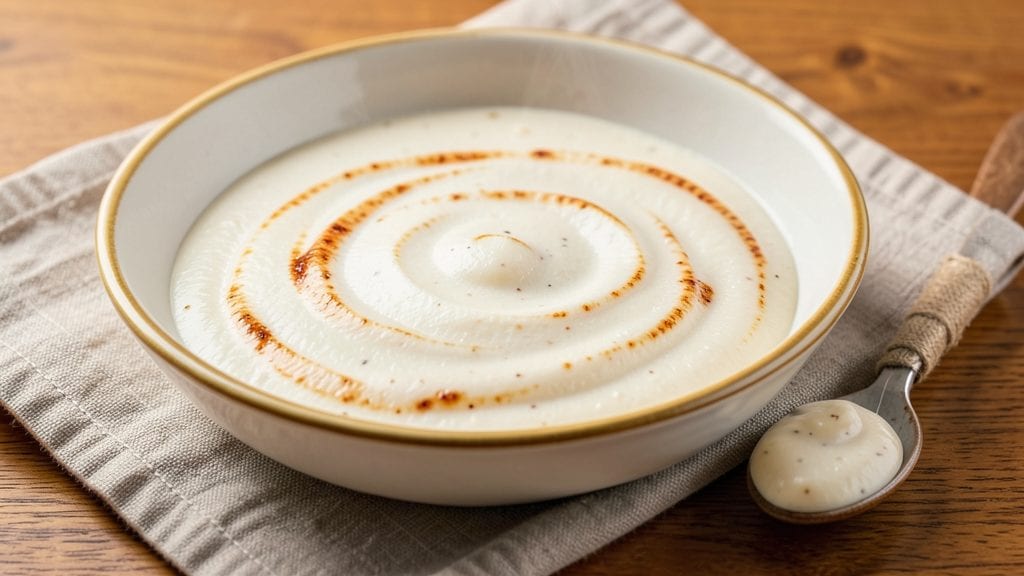
This copycat Arby's cheese sauce delivers that signature ultra-smooth, dairy-rich drizzle you crave—creamy enough to coat every bite while staying perfectly pourable. After years of testing variations, I’ve perfected the balance of processed cheese, butter, and milk to replicate that iconic restaurant texture.
The secret lies in precise heat control and whisking technique, ensuring no lumps or graininess ruin the velvety finish.
The sauce is designed to elevate classic dishes like roast beef sandwiches, crispy fries, or even as a dipping sauce for chicken tenders. What sets this apart is the foolproof method that guarantees a silky-smooth consistency without requiring special ingredients—just pantry staples and patience.
The sauce thickens just enough to cling beautifully, yet remains light enough to drizzle effortlessly over hot foods.
By the time you’re done, you’ll have a dairy-rich sauce that’s richer than store-bought versions but lighter than heavy cheddar melts. The flavor is bold yet balanced, with a subtle tang that makes it irresistible.
This isn’t just a sauce—it’s the missing piece that transforms ordinary meals into something truly special.
Use it immediately on sandwiches or fries, or store it in the fridge for up to a week. The possibilities are endless—let’s recreate that Arby’s magic at home.
Ingredients for copycat arby's cheese sauce
Six pantry staples. One velvety sauce. The secret to Arby's magic at home.
| Ingredient | Amount | Notes |
|---|---|---|
| Processed American Cheese Food 🧀 | 1 ½ cups | Shredded or sliced, like Velveeta |
| Unsalted Butter 🧈 | ½ cup | Cold, cubed for even melting |
| Whole Milk 🥛 | ¾ cup | Room temperature preferred |
| Yellow Corn Flour 🌽 | 1 tbsp | Like cornstarch, for thickening |
| Dried Mustard Powder 🌶️ | ½ tsp | For subtle tang |
| White Vinegar 💧 | ½ tsp | Balances richness |
| Salt 🧂 | ½ tsp | Diamond Crystal preferred |
| Black Pepper 🌶️ | ¼ tsp | Freshly ground for finish |
The cheese is non-negotiable. Velveeta or similar processed cheese food gives that signature melt—none of that stringy cheddar nonsense. Grab the block, not the pre-shredded kind (it's got anti-caking agents that ruin texture). Walmart or Target usually carry it, but if you're near a Costco, their bulk blocks are a steal. For the butter, Land O'Lakes unsalted melts the smoothest—no milk solids separating like salted. The corn flour? Bob's Red Mill or store-brand works, but avoid anything with additives. Keep an eye out for the yellow kind, not white, for that authentic vibe.
No Velveeta? Sharp cheddar plus cream cheese gets you close—mix equal parts, but it won't be exactly the same. Mustard powder missing? Dijon mustard at half the amount works in a pinch, but you'll taste it more. Vinegar substitute? Lemon juice at the same quantity, but it's brighter. The milk is where most people mess up—whole milk is key. Skim or almond milk will make the sauce break. Pro tip: if your sauce gets too thick, whisk in 1 tsp warm water at a time. Too thin? A pinch more corn flour does the trick. And for the love of cheese, don't boil it—just warm to 160°F.
This sauce is best used immediately, but it keeps for 5-7 days in the fridge sealed tight. For leftovers, reheat gently over low heat with a splash of milk to restore creaminess. Freezes for 3 months if you're planning ahead—thaw in the fridge overnight. I like portioning mine into ramekins for easy dipping. And here's the real secret: whisk constantly while heating. That's what keeps it silky, not some fancy gadget. Trust the process.
Why You'll Love This Recipe
- Five-Ingredient Magic: This sauce is that easy—just melt butter, whisk in cheese food and milk, then stir in that yellow corn flour until it thickens like a dream. No fancy techniques, no stress, just smooth, creamy perfection in under 10 minutes.
- Secret Sauce Flavor: Between us, the mustard powder gives it this unmistakable tang—like the real deal but better. That processed cheese food? It’s the star, melting into a rich, slightly salty blanket that clings to everything it touches.
- Dip Everything: Slather it on curly fries, drizzle it over roast beef, or use it as a mac ‘n’ cheese upgrade. Honestly, I’ve even put it in loaded baked potatoes when I’m feeling lazy—it’s the ultimate multipurpose sauce.
- Budget Hack: A single can of cheese food and a stick of butter stretch across three meals. Leftovers? They reheat beautifully, and the corn flour keeps it from getting grainy—no waste, just pure value.
Step-by-step instructions for copycat Arby's cheese sauce
Here's how to nail that signature Arby's sauce—creamy, tangy, and perfectly balanced every time.
Melt the Butter and Cheese Together
In a medium saucepan, combine the 0.5 cup unsalted butter and 1.5 cups processed American cheese food. Place the pan over medium-low heat and stir constantly with a silicone spatula. You want gentle, even melting—no splattering. The cheese should begin to soften and blend with the butter within 3-4 minutes, creating a smooth, thick base.
Watch for the moment when the mixture transforms from chunky to velvety. This is your signal to move to the next step. If you see any browned bits forming, reduce the heat slightly—burnt flavor will ruin the delicate balance of this sauce. Keep stirring until the cheese is completely melted and the mixture is uniform in color and texture.
Add the Milk and Corn Flour
Once the cheese and butter are fully combined, gradually whisk in the 0.75 cup whole milk and 1 tbsp yellow corn flour. Start with the milk first, adding it slowly while continuing to stir. The mixture will thicken slightly as it warms. Then, add the corn flour—this acts as a natural thickener, giving the sauce that signature Arby's consistency.
Increase the heat to medium and bring the mixture to a gentle simmer. Let it cook for 2-3 minutes, stirring constantly to prevent lumps from forming. You're looking for a sauce that coats the back of a spoon smoothly—this indicates proper thickening. If it's too thick, add 1 tablespoon of milk at a time until you reach the desired consistency.
Incorporate the Seasonings
Remove the saucepan from heat and let the mixture cool slightly for 1 minute. This prevents the sauce from curdling when you add the remaining ingredients. Now, stir in the 0.5 tsp dried mustard powder, 0.5 tsp white vinegar, 0.5 tsp salt, and 0.25 tsp black pepper. The mustard powder adds a subtle tang, while the vinegar brightens the flavor and balances the richness of the cheese.
Taste the sauce and adjust the seasoning if needed. The salt should enhance the cheese without overpowering it, and the pepper should add a gentle finish. The vinegar is key here—it cuts through the dairy fat, giving the sauce that signature Arby's bite. If you find the sauce needs more tang, add another ¼ teaspoon of vinegar, but don't overdo it.
Simmer for Final Texture
Return the sauce to low heat and let it simmer gently for 5-7 minutes. This final step ensures the flavors meld together and the sauce reaches its ideal consistency—smooth, creamy, and just thick enough to cling to fries or sandwiches. Stir occasionally to prevent any sticking or burning at the bottom of the pan.
You'll know it's perfect when the sauce holds its shape when drizzled but still flows easily. If it's too thick, thin it with 1 tablespoon of milk at a time. For the best results, use the sauce immediately, but it can be stored in an airtight container in the refrigerator for up to 3 days. Reheat gently over low heat, stirring frequently to prevent separation.
Pro Tips For Making Copycat Arby'S Cheese Sauce
- Whisk Like You Mean It: The processed cheese food clumps like a stubborn teenager if you’re lazy with the whisk. After burning three batches, I finally figured out: melt the butter first, then add the cheese and milk simultaneously while whisking vigorously on medium-high. No, your arm won’t fall off—just keep it moving until it’s smooth as a fast-food drive-thru window.
- Skip the Cold Cheese: I used to pull the American cheese slices straight from the fridge, thinking it’d make the sauce thicker. Wrong. Let the cheese sit at room temp for 10 minutes first—it blends into the sauce faster and gives you that signature Arby’s creaminess without lumps. (Yes, even if you’re impatient like me.)
- Cornstarch, Not Flour: The recipe calls for yellow corn flour, but I’ve learned the hard way that regular all-purpose flour makes the sauce gummy and sad. Measure it out before you start cooking—about 1 tablespoon—and whisk it into the cold milk first. This keeps it from clumping when it hits the hot butter, and your sauce won’t turn into glue.
- Low and Slow Finish: Once everything’s mixed, resist the urge to blast the heat. Simmer on low for 3-4 minutes, stirring constantly, or you’ll end up with a burnt offering that tastes like melted plastic. The sauce should coat the back of a spoon like a thick, velvety blanket—not a scorched crime scene.
Pro cooking tips for this dish
Heat Control Secrets
This sauce demands medium-low to medium heat—never high. I use a medium saucepan to maximize surface area and prevent scorching. Start with medium-low to melt the cheese evenly, then bump to medium only after adding milk and corn flour.
A digital thermometer (like the Thermoworks Thermapen) helps me stay precise—ideal sauce temp is 160°F before seasoning. 🌡️
Watch for browning—even slight caramelization creates bitter notes. If you see golden spots, immediately reduce heat or remove the pan. The cheese should melt into a smooth, glossy texture before adding liquids. I’ve ruined batches by rushing this step—patience here makes all the difference.
Whisking Technique
Use a balloon whisk or silicone spatula—they create less friction than metal utensils. Whisk in a figure-8 motion while heating to prevent lumps. The key is constant motion—never let the mixture sit unattended, even for 10 seconds. I stir every 5-7 seconds during the critical milk-and-corn-flour phase. 💫
For extra-smooth results, I pre-whisk the milk and corn flour together in a separate bowl before adding to the pan. This creates a slurry that blends seamlessly, eliminating any risk of clumping.
If you do get lumps, immediately remove from heat and whisk vigorously with a hand mixer for 10-15 seconds.
Thickening Troubles
If your sauce is too thick after simmering, add milk in 1-tablespoon increments, whisking constantly. The goal is pourable but clingy—like honey. I’ve found that Bob’s Red Mill corn flour works better than store brands for consistent thickening.
For a smoother finish, strain through a fine-mesh sieve if needed. ✨
Too thin? Sprinkle corn flour directly into the whisking motion while heating—this prevents clumping. Start with ½ teaspoon and adjust. Over-thickening is harder to fix, so err on the side of thinness and adjust upward. The sauce should coat the back of a spoon but still flow freely.
Seasoning Balance
The mustard powder and vinegar are non-negotiable for that Arby’s tang. I use Penzeys’ dry mustard for consistency—it’s stronger than generic brands, so start with ¼ teaspoon and taste before adding the full amount. The vinegar should brighten the flavor, not dominate. 💡
Salt is the final touch—Diamond Crystal dissolves better than table salt. Taste after adding all seasonings, then adjust in pinches. The sauce should taste rich but balanced, with a hint of sharpness from the vinegar.
If it’s too bland, a pinch of garlic powder (¼ teaspoon) adds depth without overpowering.
Nutrition facts
Frequently asked questions
Why does this sauce need processed cheese instead of regular cheddar?
Processed cheese food (like Velveeta) melts smoothly and evenly without separating or becoming grainy. Regular cheddar creates lumps and a stringy texture that ruins the signature Arby's consistency. The processed version also has added emulsifiers that help create that ultra-creamy finish.
Can I make this sauce without corn flour?
Yes, but the texture will be thinner. Substitute with 1 tbsp all-purpose flour or ½ tsp instant potato starch instead. For best results, whisk the substitute with a little cold milk first to create a slurry before adding to the pan. The sauce will still work for dipping but may not cling as well to fries or sandwiches.
How do I fix a sauce that got too thick?
Whisk in 1 tablespoon of warm milk at a time until you reach the desired consistency. For stubborn thickness, add ½ teaspoon of corn flour mixed with 1 tablespoon milk to prevent clumping. Stir constantly over low heat for 1-2 minutes to fully incorporate. The goal is a sauce that drizzles smoothly but still coats food.
Can I use this sauce on other foods besides fries and sandwiches?
This versatile sauce works perfectly on chicken tenders, mozzarella sticks, baked potatoes, or even as a dip for veggies. The creamy texture makes it great for mac and cheese, loaded nachos, or even as a topping for burgers. Just adjust the thickness slightly if using as a dip - it should be thinner than for dipping fries.
What's the best way to reheat leftover sauce?
Gently reheat over low heat on the stovetop, stirring constantly. Add 1-2 teaspoons of milk per cup of sauce to restore creaminess. Never microwave - it causes separation. For extra smoothness, strain through a fine-mesh sieve after reheating. The sauce should reach 160°F before serving to kill any bacteria and prevent curdling.