
Salads
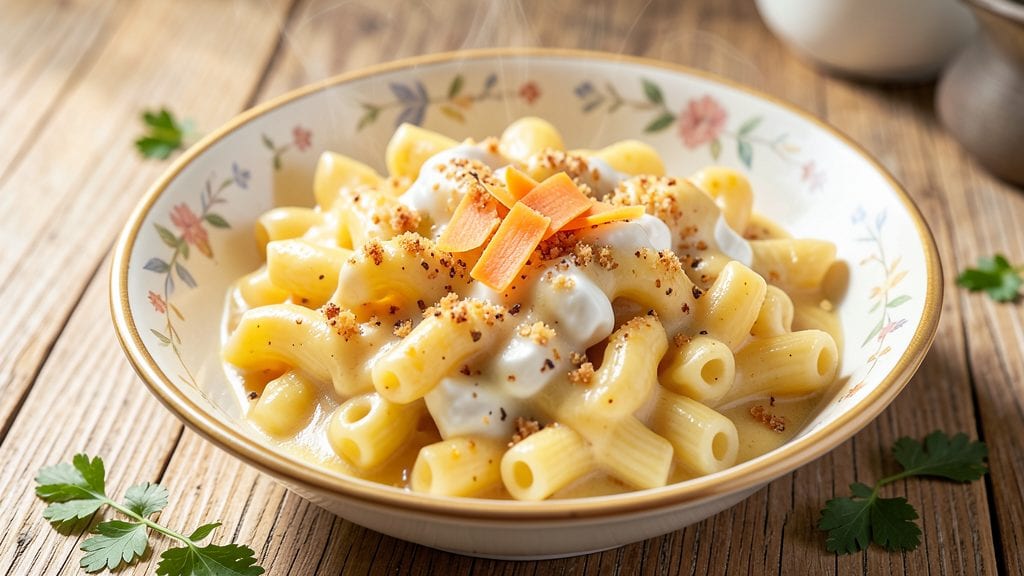
Craig Melvin’s Mom’s macaroni and cheese recipe delivers that nostalgic, ultra-comforting dish with a buttery breadcrumb crust and velvety cheese sauce—just like the one that made him fall in love as a kid.
This isn’t your basic boxed mac and cheese; it’s a restaurant-quality dish that starts with a foolproof roux and layers of sharp cheddar, Gruyère, and a touch of cream cheese for that signature melt.
The secret lies in the slow-cooked sauce and the crispy, golden breadcrumb topping that adds texture without overpowering the creamy goodness underneath.
What sets this recipe apart is the balance of simplicity and technique—no fancy equipment, just a stovetop and oven to transform simple ingredients into something extraordinary.
The cheese sauce is cooked low and slow to eliminate any risk of separation, while the breadcrumb crust gets a head start in the oven to achieve that perfect crispy contrast.
It’s the kind of mac and cheese that feels like a hug in every bite, rich, indulgent, and impossible to resist.
By the time you pull this dish from the oven, you’ll have a golden-brown masterpiece with a sauce so smooth it coats every noodle perfectly. The breadcrumb crust adds a satisfying crunch, while the cheeses blend into a creamy, tangy, and slightly nutty flavor profile.
This is the recipe that brings back childhood memories—warm, comforting, and worth every calorie.
Serve it as a main dish for a cozy family dinner or as a crowd-pleasing side at gatherings. The leftovers reheat beautifully, making it a perfect meal for busy weeknights or special occasions. Let’s get started on recreating this timeless classic.
Ingredients for craig melvin's mom's macaroni and cheese
Sixteen essential ingredients transform into Craig Melvin's nostalgic mac and cheese masterpiece.
| Ingredient | Amount | Notes |
|---|---|---|
| Elbow Macaroni 🍝 | 1 ½ lbs | Medium or extra-large size preferred |
| Unsalted Butter 🧈 | ¾ cup | Cold, cubed for roux |
| All-Purpose Flour 🌾 | ½ cup | Sifted for smooth texture |
| Sharp White Cheddar Cheese 🧀 | 3 cups | Shredded, aged 6+ months |
| Gruyère Cheese 🧀 | 1 cup | Shredded, nutty flavor |
| Cream Cheese 🧀 | 8 oz | Full-fat, room temperature |
| Heavy Whipping Cream 🥛 | 1 cup | Full-fat for richness |
| Whole Milk 🥛 | ½ cup | Warmed for smooth sauce |
| Diamond Crystal Kosher Salt 🧂 | 1 ½ tsp | Adjust to taste |
| Freshly Ground Black Pepper 🌶️ | ½ tsp | Freshly cracked preferred |
| Panko Breadcrumbs 🍞 | 1 cup | Japanese style for crispiness |
| Extra-Virgin Olive Oil 🫒 | 2 tbsp | For breadcrumb mixture |
| Garlic Powder 🧄 | ½ tsp | For breadcrumb seasoning |
| Mustard Powder 🌶️ | ¼ tsp | For subtle tang |
The cheese selection is non-negotiable for that signature flavor profile. Sharp white cheddar provides the tangy backbone, while Gruyère adds nutty depth—both should be freshly shredded using a microplane for maximum melt. Penzeys Spices or specialty cheese shops carry the best aged cheddar, but Kraft's 2-year aged from the grocery store works in a pinch. For the cream cheese, Philadelphia is the gold standard, though any full-fat brand will do. The heavy whipping cream and whole milk must be full-fat; reduced-fat versions will yield a grainy sauce. Store your cheeses in airtight containers with parchment paper between layers to prevent drying out, and keep them in the coldest part of your fridge for optimal freshness.
No sharp cheddar? Extra-sharp white cheddar at half the quantity creates a similar punch. Gruyère unavailable? Comté or Emmental provide comparable nuttiness. For a dairy-free adaptation, nutritional yeast at 2 tablespoons plus 1/4 cup cashew cream mimics the umami depth, though texture will differ. The breadcrumbs should be Panko-style for maximum crispiness—Trader Joe's sells it in bulk for cost-effective large batches. For the roux, European-style butter (like Plugrá) adds more flavor than American brands, though regular unsalted butter works perfectly fine. The mustard powder is optional but enhances the sauce's complexity; sub with an extra pinch of salt if omitted.
This mac and cheese reheats beautifully—45 seconds in the microwave with a splash of milk restores its creamy texture. Store leftovers covered in the refrigerator for up to 5 days, though the breadcrumb topping loses crispiness after 2 days. For long-term storage, portion into airtight containers and freeze for up to 3 months. The breadcrumb mixture can be prepped ahead and stored in the fridge for 3 days or frozen for 1 month. When reheating from frozen, cover with foil for the first 5 minutes to melt the cheese evenly before achieving the crispy topping.
Why You'll Love This Recipe
- One-Pot Magic: I swear by this recipe because it’s all in one pot—no messy sauces or extra pans. The elbow macaroni cooks right in the rich, cheesy roux, and that Gruyère melts into something so silky, you’ll forget it’s supposed to be complicated.
- Cheese Love: Sharp white cheddar meets nutty Gruyère—this combo is next level. The flour-butter roux thickens into a velvety base that clings to every noodle, and that crispy top? Pure satisfaction in every bite.
- Lunchbox Hero: Between us, this is my go-to for meal prep. It reheats beautifully, packs perfectly, and my kids actually eat it cold (yes, really). The cheeses stay gooey, and the flavor doesn’t fade—just add a sprinkle of breadcrumbs if you want extra crunch.
- Budget Comfort: Four simple ingredients, zero waste. The flour and butter make it feel fancy, but the cheddar and Gruyère stretch far—perfect for stretching a dinner into leftovers. Honestly, it’s the kind of dish that makes grocery day less stressful.
Step-by-step instructions for Craig Melvin's mom's macaroni and cheese recipe
Master this technique for a velvety cheese sauce with a golden, buttery breadcrumb crust.
Cook the Macaroni to Perfect Al Dente
Bring a large pot of water to a rolling boil and add 1.5 lbs elbow macaroni. Season generously with 1 tsp diamond crystal kosher salt—the water should taste like the sea. Cook until 1 minute before the package instructions specify for al dente, which should be around 10-12 minutes depending on size. Drain thoroughly and set aside, reserving 1 cup of pasta water—this starchy liquid is essential for emulsifying the cheese sauce later.
Don't rinse the pasta—those surface starches help the cheese cling beautifully. If you're using medium or extra-large elbow macaroni, you'll want slightly more cooking time than smaller sizes. Test for doneness by tasting a piece—it should have a slight bite but still feel tender. This step ensures your pasta won't turn mushy when mixed with the hot cheese sauce.
Create the Ultra-Smooth Cheese Sauce
In a separate large pot, melt 0.75 cup unsalted butter over medium heat until fully liquid. Whisk in 0.5 cup all-purpose flour to form a roux, cooking for 2-3 minutes until it turns a pale golden color—this removes the raw flour taste. Slowly whisk in 0.5 cup warmed whole milk and 1 cup heavy whipping cream, ensuring no lumps form. The mixture should thicken into a smooth paste.
Reduce heat to low and gradually add 3 cups sharp white cheddar cheese and 1 cup gruyère cheese, stirring constantly until fully melted. Then fold in 8 oz cream cheese, breaking it into small pieces as it melts. Season with the remaining 0.5 tsp diamond crystal kosher salt and 0.5 tsp freshly ground black pepper. If the sauce thickens too much, whisk in 2-3 tablespoons of reserved pasta water to reach a creamy, pourable consistency. This sauce should be luxuriously smooth—no graininess allowed.
Combine Pasta and Cheese Sauce
Add the cooked macaroni to the cheese sauce and stir gently to coat every strand. The residual heat from the sauce will finish cooking the pasta perfectly. If the mixture seems too thick, add more reserved pasta water 1 tablespoon at a time until it reaches a velvety texture that clings to the macaroni. Transfer the entire contents to a 9x13-inch baking dish, spreading it evenly into a thin, even layer. This even distribution ensures the breadcrumb topping cooks uniformly.
Here's the thing—this is where the magic happens. The thin layer allows the breadcrumbs to crisp perfectly while keeping the cheese sauce underneath creamy and hot. If you're serving immediately, proceed to the next step. If prepping ahead, cover the dish and refrigerate for up to 2 hours before baking.
Prepare the Buttery Breadcrumb Topping
In a small bowl, combine 1 cup panko breadcrumbs, 2 tbsp extra-virgin olive oil, 0.5 tsp garlic powder, and 0.25 tsp mustard powder. Mix thoroughly with your fingers or a fork until the breadcrumbs are evenly coated and look moist but not wet. This combination creates a crispy, flavorful crust with a subtle tang from the mustard powder.
The mustard powder might seem unusual, but it cuts through the richness of the cheese and adds depth. If you're worried about the breadcrumbs getting soggy, don't be—the olive oil helps create a barrier while still allowing the crust to brown beautifully. Sprinkle the breadcrumb mixture evenly over the top of the macaroni and cheese, pressing down gently with your fingers to ensure good contact with the sauce.
Bake to Golden Perfection
Preheat your oven to 375°F. Bake the macaroni and cheese for 20-25 minutes until the breadcrumb topping is deep golden brown and the cheese sauce is bubbling at the edges. The center should still be warm and creamy—this ensures the perfect texture when served. Watch closely after 20 minutes as ovens vary in heat output. If the top starts to brown too quickly, tent loosely with aluminum foil to prevent burning while allowing the cheese to finish melting.
Remove from the oven and let rest for 5-10 minutes before serving. This resting period allows the cheese to set slightly, making it easier to slice and serve. The result should be a dish with a crispy, buttery breadcrumb crust over ultra-smooth, creamy cheese sauce. Each bite delivers that perfect balance of textures and flavors that makes this recipe legendary. Serve immediately with a simple side salad or crusty bread to soak up any extra cheese sauce.
Pro Tips For Making Craig Melvin'S Mom'S Macaroni And Cheese
- Cook pasta al dente: The sauce clings better to firm pasta—no mushy disaster here. Test a piece at 60 seconds, even if the package says 8-10 minutes. (Yes, I’ve ruined batches by overcooking.)
- Grate cheese fresh: Pre-shredded cheese has anti-caking agents that make the sauce grainy. Use a box grater for sharp cheddar and Gruyère, then pulse in a food processor for powder—this melts smoother than store-bought.
- Bloom the roux low: After melting butter, whisk in flour slowly over medium-low heat. If it browns too fast, you’ll taste raw flour. Stir constantly for 2-3 minutes until it’s a pale, thick paste—like wet sand, not toasted crumbs.
- Salt the pasta water hard: Use 1.5 tablespoons salt per gallon of water (like the sea). The pasta absorbs flavor, and the sauce needs it to taste right—especially with unsalted butter. (Taste the water; it should sting your lips.)
Pro cooking tips for great craig melvin's mom's macaroni and cheese
Roux Perfection
Your cheese sauce starts with a roux, and nailing this step is everything. Cook the butter and flour over medium heat for exactly 2-3 minutes until it reaches a pale golden color—this removes the raw flour taste.
I can't stress enough how critical this is: if you rush it, you'll get a grainy sauce. Use a light-colored pot so you can see the color change clearly. 🌡️
Whisk constantly to prevent burning, which will give your sauce a bitter flavor. Once the roux is ready, slowly whisk in the warmed milk and cream. This gradual addition prevents lumps and ensures a smooth, velvety texture.
I like to add the liquids 1 tablespoon at a time while whisking vigorously—this is where patience pays off.
Cheese Melting Secrets
When adding the cheeses, low and slow is the golden rule. Start with the sharp white cheddar and Gruyère—they melt faster than cream cheese, so get them incorporated first. I shred my cheeses freshly using a microplane for maximum melt and smoothness.
If you're using pre-shredded cheese, strain it through a fine-mesh sieve to remove anti-caking agents that can make the sauce grainy.
Once all the cheese is melted, reduce heat to low and let the sauce simmer gently for 2-3 minutes. This step ensures the cheese fully emulsifies with the roux.
If the sauce starts to separate, whisk in 1 tablespoon of reserved pasta water at a time until it's luxuriously smooth. The goal is a sauce so creamy it coats the back of a spoon. 💫
Pasta Water Magic
Never underestimate the power of pasta water—it's the secret weapon in achieving that ultra-smooth texture. Reserve 1 cup when draining your pasta, and keep it nearby. The starch in the water acts as a natural emulsifier, helping the cheese sauce cling to every noodle.
If your sauce thickens too much, add the pasta water 1 tablespoon at a time until it reaches a pourable consistency.
I’ve made this mistake before: skipping the pasta water and ending up with a sauce that’s too thick and clumpy. Trust me, it’s worth the extra step. The starch in the water also helps prevent the cheese from separating, giving you a restaurant-quality finish.
Pro tip: If you don’t have enough pasta water, a splash of warm milk works in a pinch, but the flavor won’t be as rich.
Breadcrumb Crust Hacks
The breadcrumb topping is all about texture contrast, and getting it right takes a little finesse. Mix the panko breadcrumbs with olive oil, garlic powder, and mustard powder until the breadcrumbs are evenly coated but not soggy.
The mustard powder might seem odd, but it adds a subtle tang that cuts through the richness of the cheese. Press the mixture gently but firmly onto the mac and cheese to ensure it sticks and crisps up beautifully.
For an extra-crispy topping, I recommend baking the breadcrumbs separately for 3-5 minutes before adding them to the mac and cheese. This pre-crisping step ensures they stay crunchy even after sitting in the oven with the hot cheese.
Another trick? Sprinkle a little grated Parmesan on top of the breadcrumbs before baking—it adds a nutty depth and helps the topping brown faster. 🍞
Baking Like a Pro
Preheat your oven to 375°F and place a wire rack on a baking sheet before adding your mac and cheese dish. This allows hot air to circulate underneath, ensuring even cooking and a golden-brown crust.
Bake for 20-25 minutes, but keep a close eye on it after the 20-minute mark—ovens vary, and you don’t want the topping to burn.
If the breadcrumbs start browning too quickly, tent loosely with aluminum foil to slow down the cooking while still allowing the cheese to melt. The center should still be warm and creamy when you pull it out—this ensures the perfect textural contrast.
Let it rest for 5-10 minutes before serving; this allows the cheese to set slightly, making it easier to slice and serve. 🔥
Nutrition facts
Frequently asked questions
Why does this recipe use both sharp cheddar and Gruyère?
The sharp white cheddar provides that classic tangy flavor we love in mac and cheese, while the Gruyère adds nutty depth and a luxurious melt. Together, they create a complex, restaurant-quality sauce that's richer than standard cheddar alone. The Gruyère also helps prevent the sauce from becoming too sharp when baked.
Can I make this ahead of time?
Assemble the dish up to 2 hours ahead and refrigerate uncovered. When ready to bake, add the breadcrumb topping fresh and bake as directed. For best results, let it sit at room temperature for 30 minutes before baking to ensure even cooking. The breadcrumbs will crisp up beautifully while the cheese underneath stays creamy.
What's the secret to the perfect breadcrumb crust?
The magic lies in the olive oil coating and the mustard powder. The oil creates a crispy barrier while the mustard adds subtle tang that cuts through the richness. Press the crumbs firmly onto the cheese and bake on a wire rack for even browning. For extra crunch, toast the breadcrumbs separately for 3-5 minutes before adding them to the dish.
How do I fix a grainy cheese sauce?
If your sauce turns grainy, immediately whisk in 1 tablespoon of reserved pasta water at a time until smooth. The starch in the water acts as an emulsifier. For prevention, make sure to shred your cheese freshly (pre-shredded often contains anti-caking agents) and keep the heat low when melting. If all else fails, a splash of warm milk can help restore creaminess.
Can I make this gluten-free?
Yes, but with adjustments. Use gluten-free elbow macaroni and substitute the all-purpose flour in the roux with gluten-free flour blend (like Bob's Red Mill 1:1). For the breadcrumb topping, use certified gluten-free panko or crush gluten-free crackers. Keep in mind the texture may differ slightly, but the creamy cheese sauce will still shine.