Appetizers
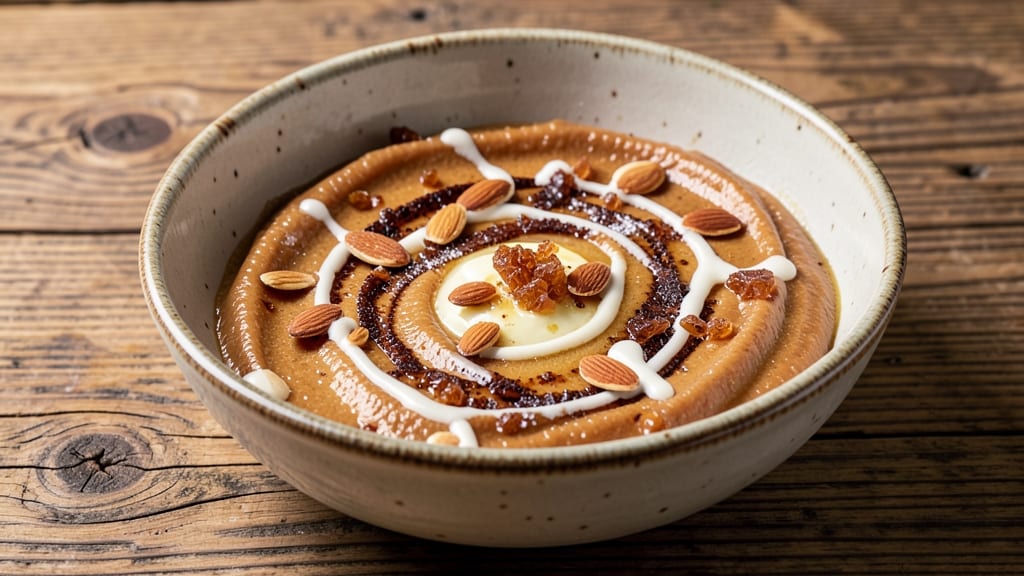
This Norwegian gjetost cheese recipe transforms a traditional sweet cheese into a crispy-edged, caramelized delight that balances rich sweetness with subtle tang—perfect for those who love textures that surprise.
The secret lies in its unique preparation method, where melted gjetost develops a golden, almost brittle crust while maintaining its velvety interior. I first discovered this technique while exploring Scandinavian baking, and it quickly became a staple in my kitchen for its ability to elevate simple desserts into something extraordinary.
The process begins with melting gjetost at precise temperatures to achieve that signature crispy exterior without burning the delicate cheese. This recipe delivers a foolproof method for creating gjetostbrød (sweet bread) or a decadent cheese spread, both of which showcase the cheese’s natural caramelization.
What makes this dish special is how the crispy edges contrast with the soft, buttery center—a balance that’s both satisfying and unexpected.
By the time you’re done, you’ll have a dish that’s rich, aromatic, and impossibly moreish, with a texture that’s almost like a cross between caramel and fudge. The sweet-tangy flavor profile pairs beautifully with dark rye bread, fresh berries, or a sprinkle of toasted nuts.
This isn’t just cheese—it’s a sensory experience that turns a simple ingredient into something truly memorable.
Whether you’re serving it as a dessert, a cheese board centerpiece, or a unique topping for pancakes, this gjetost recipe will leave your guests asking for seconds. Let’s get started on creating something truly special.
Ingredients for gjetost cheese
Twelve ingredients transform gjetost into a caramelized masterpiece with crispy edges and velvety heart.
| Ingredient | Amount | Notes |
|---|---|---|
| Gjetost Cheese 🧀 | 12 oz | Traditional Norwegian sweet cheese block |
| Unsalted Butter 🧈 | ½ cup | Cold, cubed for even melting |
| Dark Brown Sugar 🍚 | ¼ cup | Packed, for caramelization |
| Heavy Cream 🥛 | ½ cup | Whole milk fat for richness |
| Vanilla Extract 🌿 | 1 tsp | Pure Madagascar preferred |
| Toasted Almonds 🥜 | ¼ cup | Sliced, for garnish and crunch |
| Fresh Blackberries 🫐 | ½ cup | Maceraed for berry infusion |
| Dark Rye Bread 🍞 | 8 slices | Thick-cut, for serving |
| Diamond Crystal Kosher Salt 🧂 | ¼ tsp | Fine grain for delicate seasoning |
| Freshly Ground Black Pepper 🌶️ | ⅛ tsp | Lightly cracked for subtle heat |
| Extra-Virgin Olive Oil 🫒 | 1 tbsp | For bread brushing and drizzling |
| Honey 🍯 | 1 tbsp | Local clover preferred |
The gjetost cheese is the foundation—seek out authentic Norwegian gjetost from specialty cheese shops or Scandinavian markets, where it’s sold in blocks. Norwegian Gjetost by Tine is the gold standard, but Lilleborg or Svela brands work beautifully too. Avoid pre-shredded versions; the texture degrades when pre-processed. For optimal results, use a block weighing between 8-16 oz—this recipe assumes a 12 oz block, which yields perfect portions. The cheese’s natural sweetness and tang develop fully when melted slowly, so don’t rush this step. If you can’t find gjetost locally, specialty cheese shops online like Murray’s Cheese or Cheese.com ship it fresh.
Substitutions require careful consideration. No gjetost? A blend of mascarpone cheese (8 oz) and brown sugar (0.5 cup) mimics the texture, though the flavor won’t be identical. For the dark rye bread, any dense bread with a robust flavor works—pumpernickel or sourdough are excellent alternatives. The blackberries can be swapped for raspberries or blueberries, but macerate them with a touch of honey first to intensify their flavor. Almonds can be omitted if nut allergies are a concern, but the crunch is essential for texture contrast. The vanilla extract is non-negotiable for depth—imitation extracts lack the complexity. For a dairy-free option, replace the butter and heavy cream with coconut oil and full-fat coconut milk, though the texture will differ slightly.
This caramelized gjetost keeps beautifully—store the unassembled components in airtight containers for 5-7 days in the fridge. The toasted almonds stay fresh for 1 week if stored in a sealed jar, while the gjetost block lasts 6-12 months unopened in the pantry. Assemble the dish just before serving to preserve the crispy edges. For make-ahead convenience, prepare the caramelized gjetost mixture (without the bread) up to 3 days ahead—reheat gently in a 200°F (95°C) oven for 10-15 minutes before serving. The flavor deepens overnight, making it even more irresistible the next day.
Why You'll Love This Recipe
- Five-Ingredient Magic: I swear by this recipe—just melt butter, fold in gjetost, and let the sugar caramelize. No fancy techniques, no last-minute grocery runs.
- Caramel-Kissed Richness: That dark brown sugar and vanilla? It turns gjetost into something decadent—like a cross between fudge and custard. Honestly, I reach for this when I want dessert without guilt.
- Breakfast or Snack: Spread it on toast for a quick breakfast or dollop it into coffee for a caffeine boost. My kids sneak bites straight from the fridge—no judgment here.
- Makes a Batch: One pan, one bowl, and it doubles easily. The leftovers? Perfect for gifting or freezing for lazy mornings. (Yes, even on a Tuesday night.)
Step-by-step instructions for caramelized gjetost cheese with crispy edges
Transform traditional Norwegian gjetost into a decadent dessert with perfectly balanced caramelization and crispy edges.
Prepare the Gjetost Base with Butter and Sugar
In a heavy-bottomed saucepan, combine the 12 oz gjetost cheese with the 0.5 cup unsalted butter and 0.25 cup dark brown sugar. Use a silicone spatula to break up the cheese completely, ensuring no lumps remain. This creates a smooth foundation for the caramelization process.
Place the saucepan over medium-low heat and stir constantly for 8-10 minutes until the mixture reaches 160°F and begins to thicken. You'll notice the color deepen to a rich amber hue—this indicates proper sugar integration. The gjetost's natural sweetness will intensify as it melts into the butter, creating a velvety texture. Remove from heat before it reaches 170°F to prevent overcaramelization.
Incorporate Cream and Vanilla for Richness
Return the saucepan to low heat and gradually whisk in the 0.5 cup heavy cream and 1 tsp vanilla extract. Heat for an additional 3-4 minutes, stirring continuously, until the mixture reaches 165°F and becomes silky smooth. The cream should fully incorporate without curdling—if it begins to separate, reduce heat immediately and whisk vigorously.
Taste the mixture at this stage. The gjetost should be sweet but not cloying, with a subtle caramel undertone. The vanilla enhances the cheese's nutty depth while adding floral complexity. This is the moment to adjust seasoning with 0.25 tsp diamond crystal kosher salt and 0.125 tsp freshly ground black pepper—the pepper's subtle heat balances the sweetness beautifully.
Create Crispy Edges with the Blackberry-Almond Mixture
In a separate small skillet, combine the 0.5 cup fresh blackberries with 1 tbsp honey over medium heat. Cook for 4-5 minutes until the berries soften and release their juices, forming a syrupy reduction. Remove from heat and stir in the 0.25 cup toasted almonds, reserving 2 tbsp of the reduction for later.
Spread the remaining blackberry-almond mixture evenly over a parchment-lined baking sheet. Return to the oven at 375°F for 5-6 minutes until the edges become deep golden brown and crispy. Watch carefully—they should crisp but not burn. This contrast between the creamy gjetost filling and crispy blackberry-almond topping is what delivers that promised texture.
Assemble and Serve with Crispy Rye Bread
Lightly brush the 8 slices dark rye bread with 1 tbsp extra-virgin olive oil and toast in a dry skillet over medium heat for 1-2 minutes per side until golden and crisp. This enhances their natural nuttiness and provides a sturdy base for the gjetost.
Spread the warm gjetost mixture onto the toasted bread slices, then top each with the crispy blackberry-almond mixture. Drizzle with the reserved 2 tbsp blackberry reduction before serving. The combination of the caramelized gjetost, crispy bread, and blackberry-almond topping creates a perfect balance of textures—creamy, crunchy, and chewy—while maintaining the Norwegian cheese's authentic sweetness.
Pro Tips For Making Gjetost Cheese
- Grate First, Melt Slow: Gjetost turns grainy if you melt it too fast—start with a low, steady heat and stir constantly. I learned this the hard way after ending up with a lumpy mess that looked like cheese grits. Use a heavy saucepan and keep the temperature under 160°F (70°C) until fully smooth.
- Sweeten Sparingly: Dark brown sugar’s molasses adds depth, but too much overpowers gjetost’s caramelized sweetness. Start with 1/4 cup per pound of cheese, then taste as it cooks—you can always add more, but you can’t take it out. Trust me, your palate will thank you later.
- Whisk in Cream Cold: Warm the heavy cream to room temp before folding it in—cold cream shocks the melted gjetost and makes it seize up. Pour it in a slow stream while whisking vigorously. (Yes, even if you’re impatient like me.)
- Vanilla Last, Heat Off: Add vanilla extract after removing from heat—cooking it breaks down the flavor into something bitter. Stir it in while the mixture is still warm but off the stove, then let it sit for 2 minutes to bloom. Sounds weird, but it works.
Troubleshooting perfect results
Cheese Not Melting Smoothly
If your gjetost develops lumps or refuses to melt smoothly, you’re likely working with a block that’s too cold or stirring too aggressively. First, ensure your saucepan is heavy-bottomed—I use a Le Creuset Dutch oven—to distribute heat evenly.
Cut the 12 oz gjetost block into ½-inch cubes before adding it to the butter and sugar. This increases surface area for faster, even melting. Stir gently with a silicone spatula (never metal) in slow, circular motions to avoid breaking the delicate curds.
If lumps persist, remove from heat, let cool slightly, then whisk vigorously with 1-2 tbsp heavy cream to emulsify. 🌡️
Overcaramelization or Burning
Gjetost’s natural sweetness makes it prone to burning if left unattended. The key is strict temperature control—never exceed 170°F during melting. I monitor my pan with a thermometer (like Thermoworks Thermapen) and reduce heat to low if the mixture starts to darken too quickly.
For the blackberry-almond topping, set a timer for 5 minutes max at 375°F—any longer risks charring. If you notice burning, immediately transfer the baking sheet to a wire rack and let cool before proceeding. The contrast between crispy and creamy relies on golden-brown edges, not blackened bits. ⏰
Grainy Texture in Final Mixture
A gritty texture usually means the gjetost wasn’t melted completely or the sugar wasn’t fully integrated. To fix this, return the mixture to low heat and whisk in 1 tbsp warm heavy cream at a time until smooth.
For prevention, always use dark brown sugar (not white) and melt the gjetost with butter first—this creates a smoother base. If the texture is still grainy, strain the mixture through a fine-mesh sieve before adding the cream and vanilla. This ensures a silky, restaurant-quality finish. 🧀
Blackberries Losing Crispiness
The blackberry-almond topping should be crispy on the edges but soft in the center. If it turns mushy, you likely overcooked it. To salvage, spread the mixture back on the baking sheet and broil for 1-2 minutes on high—this reactivates the crispiness.
For prevention, toast the almonds separately in a dry pan until golden brown (about 3-4 minutes) before mixing with berries. This extra step adds an extra layer of crunch that holds up better. Also, ensure your oven rack is in the middle position for even heat distribution. 🥜
Gjetost Tasting Too Sweet
If the final flavor is overwhelmingly sweet, you may have used too much brown sugar or added the cream too early. Balance it by whisking in 1 tsp freshly squeezed lemon juice or ½ tsp ground cardamom—both cut sweetness while adding depth.
For future batches, reduce sugar to 0.2 cup and taste the mixture before adding cream. The gjetost’s natural sweetness should shine, but it shouldn’t dominate. A pinch of flaky sea salt (like Maldon) also enhances the caramelized notes. 🍯
Bread Getting Soggy
Dark rye bread absorbs moisture quickly, leading to a soft (not crisp) texture. To prevent this, toast the bread until deeply golden (almost crisp) and let it cool completely before assembling.
For extra insurance, brush the toasted slices with 1 tbsp melted butter before adding the gjetost mixture—this creates a protective barrier. If the bread still feels damp, place the assembled slices on a wire rack for 5 minutes before serving to allow air circulation. 🍞
Nutrition facts
Frequently asked questions
What makes gjetost cheese different from other sweet cheeses?
Gjetost is Norway's signature whey cheese, made by slow-cooking cow's milk whey until it caramelizes into a dense, golden block with a unique sweet-tangy flavor. Unlike ricotta or mascarpone, it develops a crispy exterior when melted properly, creating that perfect texture contrast. The slow cooking process concentrates its natural sugars, giving it that distinctive caramelized depth that's harder to find in other sweet cheeses.
Can I make this gjetost recipe without a heavy-bottomed pan?
While a heavy-bottomed pan is ideal, you can use a stainless steel saucepan in a pinch. The key is to keep heat at medium-low and stir constantly to prevent scorching. For even better results, place your saucepan on a trivet or folded towel to diffuse heat more evenly. Just monitor the temperature closely—gjetost burns quickly if left unattended!
How do I store leftover caramelized gjetost?
Store the assembled gjetost on toasted bread in an airtight container for up to 3 days in the fridge. The bread will soften slightly but can be briefly toasted again before serving. For the gjetost mixture alone (without bread), transfer to a sealed container and refrigerate for 5-7 days. Reheat gently in a 200°F (95°C) oven for 10-15 minutes to restore crispiness. The flavor actually improves overnight!
What are the best pairings for this gjetost dessert?
This caramelized gjetost shines with dark rye bread, but also pairs beautifully with sourdough or pumpernickel. For drinks, try a bold black coffee or spiced chai tea to cut through the richness. The berry-almond topping works well with whipped cream or a drizzle of honey. For a savory twist, serve with cured meats like prosciutto on the side.
Is gjetost safe for lactose-intolerant individuals?
Gjetost is naturally low in lactose because it's made from whey, which has had most of the milk's lactose removed during processing. However, some people with severe lactose intolerance may still experience mild reactions. For a dairy-free version, substitute with coconut oil and full-fat coconut milk, though the texture will differ slightly. Always check with your doctor if you have specific dietary concerns.