Salads
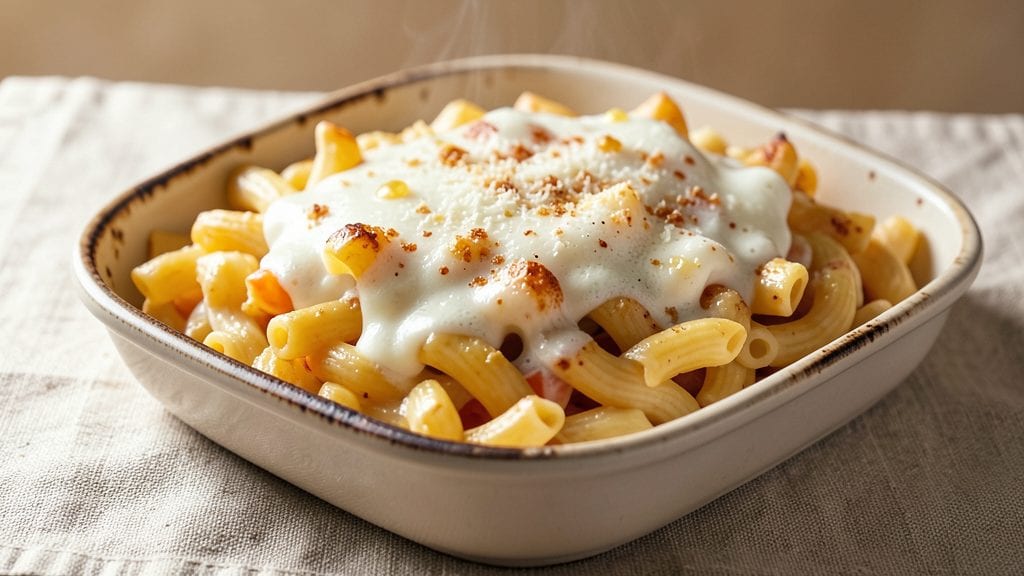
The New York Times' iconic NYT macaroni and cheese recipe delivers that perfect harmony of crispy golden breadcrumbs and velvety, cheesy pasta—now a beloved comfort food staple. This isn't just another mac and cheese—it's a restaurant-quality dish that transforms simple ingredients into something extraordinary through precise technique.
The secret lies in the two-step cooking process: first creating a rich, creamy cheese sauce on the stovetop, then baking it until the breadcrumb topping achieves that coveted crispy texture.
What sets this recipe apart is the attention to detail that elevates it beyond basic mac and cheese. We're talking about properly blooming spices in the roux, using a blend of sharp cheddar and Gruyère for depth, and achieving that perfect crispy crust without burning the cheese underneath.
The result? A dish that's creamy yet structured, rich yet balanced, with a texture that's impossible to resist. This is the kind of mac and cheese that makes you want to serve it at dinner parties, not just weeknight suppers.
By following this method, you'll achieve that signature crispy top that crunches satisfyingly while the cheese underneath remains perfectly smooth and velvety. The breadcrumb mixture not only adds texture but also creates a beautiful golden crust that makes this dish look as impressive as it tastes.
Every bite delivers that perfect combination of crispy, creamy, and cheesy that has made this recipe a staple in countless kitchens.
The beauty of this recipe is its adaptability while maintaining that authentic NYT style. You can customize it with different cheeses, add-ins, or even a modern twist, but the core technique remains the same—creating that perfect balance between crispy and creamy.
Whether you're making it for a family dinner or impressing guests, this mac and cheese will be the star of the meal. Let's get started on creating this comfort food masterpiece.
Ingredients for nyt macaroni and cheese
Pantry staples plus a few cheeses—this is where magic happens in your baking dish.
| Ingredient | Amount | Notes |
|---|---|---|
| Elbow Macaroni 🍝 | 12 oz | Dry, medium or small shape |
| Unsalted Butter 🧈 | ½ cup | Cold, cut into small cubes |
| All-Purpose Flour 🌾 | ¼ cup | For roux, sifted preferred |
| Sharp White Cheddar Cheese 🧀 | 2 cups | Shredded, block preferred |
| Gruyère Cheese 🧀 | 1 cup | Shredded, aged 6-12 months |
| Whole Milk 🥛 | 1 ½ cups | Room temperature |
| Heavy Cream 🥛 | ½ cup | Full-fat for richness |
| Yellow Mustard 🍯 | 1 tbsp | Dijon preferred for tang |
| Kosher Salt 🧂 | 1 ½ tsp | Adjust to taste |
| Ground Black Pepper 🌶️ | ½ tsp | Freshly ground preferred |
| Garlic Powder 🧄 | ½ tsp | Freshly ground preferred |
| Panko Breadcrumbs 🍞 | ¾ cup | Japanese style, toasted |
| Extra-Virgin Olive Oil 🫒 | 2 tbsp | For crispy topping |
| Freshly Grated Nutmeg 🌿 | ¼ tsp | Microplane for fine texture |
The cheeses are non-negotiable for that NYT signature flavor. Gruyère gives you that nutty depth, while sharp white cheddar brings the tang. Grab a wedge of each—Whole Foods or Trader Joe's carry great options. Skip the pre-shredded stuff (it's coated with anti-caking agents). Use a box grater for the best texture. For the pasta, elbow macaroni is classic, but cavatappi works too if you want extra nooks for cheese. The butter? European-style if you can find it—it has more flavor and higher fat content, which matters here.
No Gruyère? Parmesan at half the amount gets you close, though it won't be identical. Short on cheddar? Monterey Jack works in a pinch. The mustard is key—Dijon adds a sophisticated kick, but plain yellow works too. For the breadcrumbs, Panko is a must (it's lighter and crisps better), but if you've got regular breadcrumbs, toast them first in a dry pan. The nutmeg? Freshly grated makes all the difference—pre-ground tastes like sawdust. No microplane? A coffee grinder works in a pinch for a few seconds.
This reheats like a dream—better the next day, honestly. Store leftovers covered in the fridge for up to 5 days, or freeze portions for 3 months. For the crispy topping, assemble the dish right before baking so the breadcrumbs stay crunchy. Double the recipe? 9x13-inch baking dish is perfect for a crowd. The sauce thickens as it cools, so if it looks too thin after baking, just reheat it with a splash of milk and stir until smooth.
Why You'll Love This Recipe
- No-Fuss Stovetop Magic: I swear by this method—just melt butter, whisk in flour, then slowly add milk until it’s silky. No blender, no fuss, and that roux builds a sauce so rich it makes store-bought look sad.
- Cheese Love at First Bite: Sharp white cheddar and Gruyère? That’s a flavor combo that hits different. The cheddar brings bright tang, while the Gruyère adds nutty depth—every forkful is like a warm hug for your taste buds.
- Lunchbox Legend: Between us, this is my go-to for school lunches or office meals. The elbow macaroni holds up perfectly, and the cheesy sauce stays creamy even after hours. (Yes, even on a Tuesday night.)
- Budget-Friendly Luxury: Four simple ingredients stretch to feed four for under $10. The butter and flour make it feel indulgent, but the cheddar and Gruyère stretch farther than you’d think—leftovers taste just as good reheated.
Step-by-step instructions for NYT macaroni and cheese recipe
This is the method that delivers that legendary crispy crust and ultra-creamy interior. Let's make it happen!
Cook the Elbow Macaroni to Perfect Al Dente
Bring a large pot of water to a rolling boil and add the 12 oz elbow macaroni. Cook until 1 minute before the package instructions for al dente—this ensures it finishes cooking in the oven. I like to test by tasting a piece; it should have a slight bite but be tender. Reserve 1 cup of pasta water before draining, as we'll use it later to loosen the sauce.
Don't rinse the pasta—those starchy waters help create the velvety sauce. Drain well and set aside in a large bowl. The heat from the pasta will help set our cheese sauce beautifully.
Make the Ultimate Cheese Sauce
In a separate pot, melt the 0.5 cup unsalted butter over medium heat. Once fully melted, whisk in the 0.25 cup all-purpose flour and cook for 2 minutes until the mixture turns a pale golden color—this is your roux. The flour should smell nutty, not burnt.
Slowly pour in the 1.5 cups whole milk and 0.5 cup heavy cream while whisking constantly. Bring the mixture to a gentle simmer and cook for 5 minutes until it thickens enough to coat the back of a spoon. Remove from heat and stir in the 2 cups sharp white cheddar cheese and 1 cup gruyère cheese until fully melted and smooth.
Combine and Season the Mixture
Add the cooked macaroni to the cheese sauce and stir gently to coat each piece evenly. The pasta will absorb the sauce and become creamy. Stir in the 1 tbsp yellow mustard, 1.5 tsp kosher salt, 0.5 tsp ground black pepper, 0.5 tsp garlic powder, and 0.25 tsp freshly grated nutmeg. Taste and adjust seasoning if needed—this is where the magic happens.
If the sauce is too thick, add 1-2 tablespoons of the reserved pasta water to loosen it. The sauce should be creamy but still cling to the macaroni without being watery.
Assemble for the Crispy Top
Transfer the macaroni and cheese mixture to a 9x13-inch baking dish and spread it out evenly. In a small bowl, mix the 0.75 cup panko breadcrumbs with the 2 tbsp extra-virgin olive oil until evenly coated. Sprinkle this mixture evenly over the top of the macaroni and cheese.
Here's the key: Press down gently on the breadcrumb topping to ensure good contact with the cheese. This creates that irresistible crispy crust we're after. Bake at 375°F for 20-25 minutes until the top is deep golden brown and the edges are bubbling.
Broil for Maximum Crispiness
Switch your oven to broil and place the baking dish on the top rack. Broil for 2-3 minutes until the breadcrumb topping is golden brown and crispy. Watch it closely—it can go from perfect to burnt in seconds. Remove from the oven and let it rest for 5 minutes before serving.
This resting time is crucial—it allows the cheese to set slightly and makes serving easier. The result? A creamy, velvety macaroni and cheese with a perfectly crispy, golden-brown crust that'll have everyone asking for seconds.
Pro Tips For Making Nyt Macaroni And Cheese
- Cook pasta al dente: DESCRIPTION: The NYT recipe calls for elbow macaroni, but don’t follow the package timing—pull it out when it’s still slightly firm. I learned this the hard way: mushy pasta ruins even the best cheese sauce, and you’ll end up with a sad, watery mess instead of that perfect bite. Test a piece, and if it’s not quite there, give it 30 seconds more.
- Grate cheese fresh: DESCRIPTION: Pre-shredded cheese is a shortcut, but it’s packed with anti-caking agents that make the sauce grainy. Instead, grate sharp white cheddar and Gruyère yourself—use a box grater for the cheddar and a microplane for the Gruyère (it’s finer and melts smoother). Yes, it takes 5 minutes, but the texture difference is night and day.
- Melt butter low and slow: DESCRIPTION: The roux is where the magic happens, but rushing it leads to a floury, pasty sauce. Melt the butter over medium-low heat until it’s just foaming, then whisk in the flour. If it smells nutty or browns too quickly, you’re cooking it too hot—back it off. A smooth, pale roux is your foundation for a creamy, not gluey, sauce.
- Rest before baking: DESCRIPTION: After mixing the cheese sauce with the pasta, let the whole thing sit uncovered for 5 minutes. I know, you’re eager to bake it, but this lets the starches settle and the sauce cling properly. Skipping this step means a gummy, uneven bake—your future self will notice. Trust the process.
Wine and beer pairings for nyt macaroni and cheese
Classic White Wine
A crisp, dry Chardonnay from California or France is my go-to pairing for this rich mac and cheese. Look for a unoaked version like La Crema Sonoma Coast—its bright acidity and citrus notes cut through the richness while complementing the nutty Gruyère.
The slight minerality in the wine enhances the cheesy depth without overwhelming it. 🍷
Bold Red Options
For those who prefer red, a medium-bodied Pinot Noir works beautifully. I recommend a Oregon Willamette Valley Pinot with its red fruit and earthy undertones—it mirrors the mac and cheese's creamy texture while adding complexity. Avoid heavy Cabernets, as their tannins can clash with the dish's smoothness.
Craft Beer Pairings
A hoppy IPA like New Belgium Fat Tire provides the perfect contrast with its citrusy bitterness balancing the dish's richness. For something lighter, try a Belgian witbier such as Hoegaarden—its coriander and orange peel notes add a refreshing twist that cleanses your palate between bites. 🍺
Unexpected Twists
Don't overlook sparkling wine—a dry Prosecco or Cava adds effervescence that lightens the meal. The bubbles complement the creamy texture while the slight sweetness enhances the cheese flavors. For a non-alcoholic option, a sparkling apple cider like Martinelli's works surprisingly well.
Regional Cheese Adaptations
If you're using Parmesan instead of Gruyère, opt for a full-bodied Chianti to match its intensity. For a Monterey Jack version, a Riesling with its slight sweetness and acidity provides ideal balance. The key is matching the wine's body and acidity to the cheese profile you're highlighting.
Nutrition facts
Frequently asked questions
Can I make this mac and cheese without baking it?
The NYT-style crispy topping is the star of this dish, but you can make a stovetop version by combining the cooked pasta with the cheese sauce and serving immediately. For best texture, add a sprinkle of panko and a drizzle of olive oil on top right before serving. The result won't be as crispy, but it'll still be creamy and delicious.
What's the secret to getting that perfect crispy top?
The key is pressing the breadcrumb mixture firmly onto the cheese before baking, then broiling at the end. Use panko breadcrumbs (not regular) and mix them with olive oil for extra crunch. Bake at 375°F first, then broil for just 2-3 minutes—watch closely to avoid burning!
Can I substitute any of the cheeses?
The Gruyère adds nutty depth, but you can swap it for Parmesan (use half the amount) or Monterey Jack for a milder flavor. For the cheddar, sharp white cheddar is ideal, but extra sharp works too. Just adjust the seasoning if needed—Gruyère is saltier than most cheeses.
Why did my mac and cheese turn out greasy?
Greasy mac and cheese usually means too much butter or not enough thickening. For this recipe, the roux (butter + flour) should cook until golden, not browned. If it looks too rich, add a splash of milk to balance it. Also, avoid overmixing the cheese sauce—just stir until melted for a smoother texture.
How do I reheat leftovers without drying it out?
Cover the dish with foil and warm in a 350°F oven for 10-15 minutes until heated through. For microwave reheating, sprinkle a few drops of milk or water on top and cover tightly. The best option? Store portions in the fridge and reheat just the amount you need—this dish tastes even better the next day!