
Main Courses
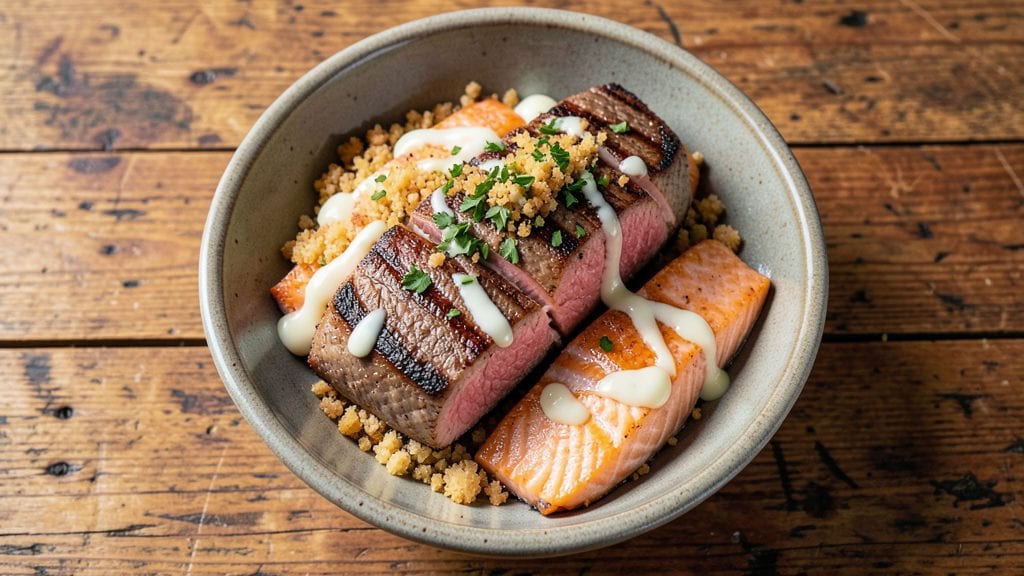
This salmon cheese steak recipe delivers the ultimate fusion of crispy breaded salmon and tender steak, all topped with gooey melted provolone—creating a dish that satisfies both seafood lovers and meat enthusiasts alike.
The secret lies in perfectly balancing textures: a golden, crunchy salmon fillet paired with a juicy steak slice, all enveloped in a blanket of melted cheese that turns every bite into a flavorful experience.
I developed this recipe after years of experimenting with different protein combinations, and it never fails to impress at family gatherings or casual weeknight dinners.
The beauty of this dish is its versatility—whether you're grilling outdoors or cooking on the stovetop, the technique remains simple yet professional. Crispy breading on the salmon ensures a satisfying crunch, while the steak adds heartiness that complements the delicate fish.
The provolone melts into a creamy, stretchy blanket that ties everything together, creating a dish that’s both indulgent and balanced. For pescatarians, swapping the steak for shrimp or tofu keeps the concept intact while adapting to dietary preferences.
By the time you take your first bite, you’ll experience layers of flavor: the crispy crunch of the salmon, the rich savoriness of the steak, and the creamy, cheesy finish that makes this dish irresistible.
The aroma alone will have everyone at the table asking for seconds, and the best part? It comes together in under 30 minutes with minimal prep. This is comfort food at its finest—elevated yet approachable, perfect for those who love bold flavors without sacrificing simplicity.
Serve this dish with a fresh garden salad or roasted vegetables to round out the meal, and don’t forget a side of tangy marinara for dipping.
The combination of textures and flavors makes it a standout for any occasion, whether you're hosting a dinner party or treating yourself to a special meal at home. Let’s bring this recipe to life—your taste buds will thank you.
Ingredients for salmon cheese steak
Crispy salmon, juicy steak, and melty provolone—this fusion dish is a game-changer for seafood and meat lovers alike.
| Ingredient | Amount | Notes |
|---|---|---|
| Salmon Fillets 🐟 | 4 whole | Skinless, boneless, 6 oz each |
| Ribeye Steak 🥩 | 1 lb | 1-inch thick slices, room temp |
| All-Purpose Flour 🌾 | 1 cup | For breading salmon |
| Panko Breadcrumbs 🍞 | 1 cup | Light, for crispy coating |
| Provolone Cheese 🧀 | 8 oz | Sliced thin, melts perfectly |
| Large Eggs 🥚 | 2 whole | Beaten for dredging |
| Extra-Virgin Olive Oil 🫒 | ¼ cup | For frying salmon |
| Garlic Powder 🧄 | 1 tbsp | For seasoning steak |
| Onion Powder 🧅 | 1 tbsp | For seasoning steak |
| Black Pepper 🌶️ | 1 tsp | Freshly ground for steak |
| Sea Salt 🧂 | 1 ½ tsp | Kosher for seasoning |
| Lemon Wedges 🍋 | 2 whole | For serving, fresh squeezed |
| Fresh Parsley 🌿 | ¼ cup | Chopped, for garnish |
The salmon fillets are the star here, so grab wild-caught, skinless ones for the best texture. Trader Joe's or Whole Foods usually carry high-quality salmon that stays fresh longer. For the steak, ribeye is non-negotiable—it’s tender and holds up perfectly to the high heat. If you’re in a hurry, pre-sliced steaks from the grocery store’s deli section work great. Just make sure they’re room temperature before cooking to ensure even searing. The provolone? Kraft or Sargento work perfectly, but if you want to splurge, grab a wedge of fresh provolone from the deli counter for that authentic melt.
No ribeye? Sirloin or New York strip will work in a pinch, but ribeye’s marbling gives it that extra richness. Running out of panko? Crushed cornflakes or regular breadcrumbs add crunch, though panko stays lighter. For pescatarians, swap the steak for shrimp or tofu—just marinate the shrimp in soy sauce and garlic powder first. The lemon wedges? Use Meyer lemons if you can—they’re sweeter and add a nice brightness. Fresh parsley is ideal, but dried works at one-third the amount if you’re in a bind. And if you’re worried about the salmon sticking, pat it bone-dry with paper towels before dredging—this is the secret to that perfect crispy crust.
This dish reheats surprisingly well—just pop it in the oven at 350°F for 5-7 minutes to revive that crispy texture. Store leftovers in an airtight container for up to 3 days in the fridge, though the steak and salmon are best eaten fresh. For meal prep, cook the steak and salmon separately and assemble just before serving to keep everything crisp. The provolone melts best when added fresh, so save that step for serving time. Garnish with extra parsley and a squeeze of lemon right before digging in—trust me, it makes all the difference.
Why You'll Love This Recipe
- Crispy in Minutes: I swear by the flour-Panko combo—just dredge the steak and salmon, hit the pan, and you’ve got that golden crunch in 10 minutes flat. No fancy techniques, just a quick sear and melt.
- Melty Magic Combo: Provolone over salmon? Yes. Ribeye underneath? Even better. The cheese stretches and caramelizes while the steak stays juicy—like a hug from the inside out.
- Weeknight Superstar: Toss it together while the rice cooks, or serve it with a simple salad when you’re too tired to plan. Honestly, it’s the kind of dish that turns “what’s for dinner?” into “oh, thank god.”
- Leftovers That Don’t Suck: Slice the cooled steak and salmon, reheat with a splash of broth, and boom—crispy, cheesy sandwiches for lunch. (Between us, this is how I feed my kids without grocery store sad.)
Step-by-step instructions for crispy breaded salmon with melted provolone
Here's how to create golden, crispy salmon with gooey provolone—every bite delivers perfect texture and flavor.
Season and Prepare the Ribeye Steak
Pat the 1 lb ribeye steak dry with paper towels—this ensures maximum browning. In a small bowl, mix 1 tablespoon garlic powder, 1 tablespoon onion powder, 1 teaspoon black pepper, and 1.5 teaspoons sea salt. Rub this mixture generously over both sides of the steak, pressing it into the meat so it adheres well. Let the steak sit at room temperature for 15 minutes while you prep the salmon—this guarantees even cooking.
Here's the thing—seasoning the steak first means you won't have to handle it again until cooking. The ribeye will develop a beautiful crust while the salmon gets its crispy coating. Don't skip the room-temperature step; cold meat releases juices instead of searing properly.
Create the Breading Station for Salmon
Set up three shallow bowls: one with the 1 cup all-purpose flour, one with the 1 cup panko breadcrumbs, and one with the 2 whole large eggs beaten until frothy. Place the 4 whole salmon fillets on a plate. Dip each fillet first into the flour, shaking off any excess, then into the beaten eggs, letting the liquid drip off, and finally into the panko breadcrumbs, pressing gently to coat evenly on both sides. This triple-dredging method creates that irresistible crispy exterior.
Work quickly but carefully—wet panko loses its crunch. I like to press the breadcrumbs firmly on the salmon so they stick well during frying. If the breading feels too loose, dip the fillets back into the egg wash for better adhesion. This step is your foundation for that perfect golden crust.
Cook the Salmon to Golden Perfection
Heat 0.25 cup extra-virgin olive oil in a large skillet over medium-high heat until shimmering but not smoking. Add the breaded salmon fillets and cook for 3-4 minutes per side until they're deep golden brown and the panko is crispy. You'll know they're ready when the edges look set and the breading releases easily from the pan. Don't overcrowd the pan—cook in batches if needed to maintain even heat.
Here's where it gets exciting—the salmon should sizzle loudly when it hits the oil. If it's not browning quickly enough, increase the heat slightly. The internal temperature should reach 145°F when done. Transfer the cooked salmon to a paper towel-lined plate to drain excess oil while you finish the steak.
Sear the Seasoned Ribeye
Return the skillet to medium-high heat (no need to add more oil—the steak's fat will render). Add the seasoned ribeye and sear for 3-4 minutes per side for medium-rare (or until your desired doneness). The steak should develop a deep brown crust with a pink center. For perfect medium-rare, use a meat thermometer—130°F internal temperature is ideal. Let the steak rest for 5 minutes while you assemble the plates.
Don't cut into the steak yet—resting redistributes the juices. This is the moment that matters: the steak will rise in temperature another 5°F during resting, giving you that perfect medium-rare finish every time. While it rests, slice the 8 oz provolone cheese into thin strips and arrange them on top of each salmon fillet.
Assemble and Serve with Fresh Garnishes
Place each salmon fillet on a warmed plate, topped with the provolone strips. Return the plate to the oven (or under a broiler) for 1-2 minutes just until the cheese melts completely and turns golden. Garnish with the 2 whole lemon wedges and 0.25 cup chopped fresh parsley for a pop of freshness. Serve immediately with the sliced ribeye steak alongside.
This dish is all about contrast—crispy salmon with gooey cheese, tender steak, and bright lemon. The parsley adds that fresh finish that ties everything together. Each bite delivers that perfect balance of textures and flavors you crave in a restaurant-quality meal at home.
Pro Tips For Making Salmon Cheese Steak
- CRUST THE SALMON FIRST: I learned this the hard way—coating the salmon before the steak means it gets buried under cheese and breadcrumbs. Do the salmon’s panko crust separately in a small pan first, then set it aside. That way, it stays crispy while the steak cooks, and you’re not flipping a greasy mess.
- USE COLD STEAK SLICES: No one likes a sad, gray steak. Pat the ribeye bone-dry with paper towels, then slice it against the grain into ¼-inch strips and pop it in the freezer for 15 minutes. Cold steak sears faster and holds its shape better under the cheese—no more mushy, overcooked ribbons.
- SALT THE PAN HOT: This isn’t the prettiest method, but it’s the tastiest: After browning the steak strips, dump out all but 1 teaspoon of oil, then add a pinch of salt to the empty pan. Let it sizzle for 10 seconds—this melts the provolone into a glossy, gooey blanket instead of a dry smear. (Yes, even if you’re impatient like me.)
- STACK CHEESE LOW: I was skeptical until I tried it: Layer the provolone thin—about ¼-inch thick—between the steak and salmon. Thick cheese burns before the steak’s done, and thin cheese melts evenly without turning rubbery. If you’re worried about it sliding off, tuck a few toothpicks in the edges.
Troubleshooting your salmon cheese steak
Salmon Too Dry?
If your salmon turns out dry, it’s likely overcooked. The key is timing—salmon should reach 145°F internal temperature in 3-4 minutes per side on medium-high heat.
Use a meat thermometer to avoid guessing. For extra moisture, brush the fillets with 1 tablespoon melted butter before breading. This adds richness and prevents dryness. 💡
Steak Not Searing?
A cold steak won’t sear properly, so always let it sit at room temperature for 15 minutes before cooking. If your pan isn’t hot enough, you’ll end up with steamed meat instead of a crust.
Heat your skillet over medium-high heat until it’s smoking slightly, then add the steak. For extra insurance, pat the steak dry with paper towels to remove any moisture that could prevent browning.
Cheese Not Melting?
Provolone should melt beautifully, but if it’s not cooperating, your oven or broiler might not be hot enough. Place the cheese-topped salmon under the broiler for 1-2 minutes on high, watching closely to avoid burning.
For a foolproof method, preheat your oven to 375°F and broil on high. If the cheese still resists, try a thin slice of mozzarella underneath for extra meltability.
Breading Falling Off?
Loose breading usually means the egg wash wasn’t sticky enough or the panko wasn’t pressed firmly. For a stronger bond, double-dip the salmon in the egg wash between flour and panko layers. Press the breadcrumbs gently but firmly onto the fillets so they adhere.
If using wet panko, drain it well or pat it dry with a paper towel before coating. This ensures a crispy, intact crust every time. 🍞
Oil Smoking Too Much?
If your oil is smoking excessively, it’s too hot, which can make the salmon greasy instead of crispy. The ideal temperature is medium-high heat—hot enough to sizzle but not smoke. If needed, reduce the heat slightly or let the oil cool for 30 seconds before adding the salmon.
A good rule of thumb: the oil should shimmer but not burn when a breadcrumb is dropped in—it should sizzle briefly before turning golden.
Steak Too Tough?
Overcooking is the enemy of tender steak. For medium-rare, aim for 130°F internal temperature and remove it immediately from the heat. Let it rest for 5 minutes before slicing—this redistributes juices and keeps it tender. If your steak turns out tough, try slicing it against the grain next time.
For extra tenderness, marinate the steak in 1 tablespoon soy sauce and 1 teaspoon olive oil for 10 minutes before seasoning and cooking.
Nutrition facts
Frequently asked questions
Can I make this recipe without steak?
For a pescatarian version, swap the steak for shrimp skewers or extra-firm tofu slices. Marinate shrimp in 1 tablespoon soy sauce and 1 teaspoon garlic powder for 10 minutes before grilling. Tofu should be pressed, sliced, and pan-seared until golden. The dish still delivers that satisfying protein-packed bite.
What’s the best cheese alternative if I don’t have provolone?
Try mozzarella or fontina for a creamier melt, or sharp cheddar for a bolder flavor. For extra gooeyness, layer a thin slice of mozzarella under the provolone. Avoid pre-shredded cheese—it contains anti-caking agents that prevent proper melting.
How do I keep the breading extra crispy?
Double-dip the salmon in egg wash between flour and panko layers, and press the breadcrumbs firmly. After frying, place the salmon on a wire rack over a baking sheet for 5 minutes to let air circulate—this prevents sogginess. For reheating, broil for 1-2 minutes to restore crispiness.
Can I prep this ahead of time?
Prep the salmon and steak separately up to 24 hours ahead. Store breaded fillets in the fridge (uncooked) and seasoned steak in an airtight container. Cook the salmon and steak fresh, then assemble with cheese just before serving. The breading stays crispy longer when cooked fresh, while the steak benefits from room-temperature prep.
What’s the ideal doneness for the steak?
For perfect medium-rare, aim for 130°F internal temperature (about 3-4 minutes per side on medium-high heat). Use a meat thermometer for accuracy. Let it rest 5 minutes before slicing—this keeps it juicy. For well-done, cook to 145°F, but expect a firmer texture.