
Main Courses
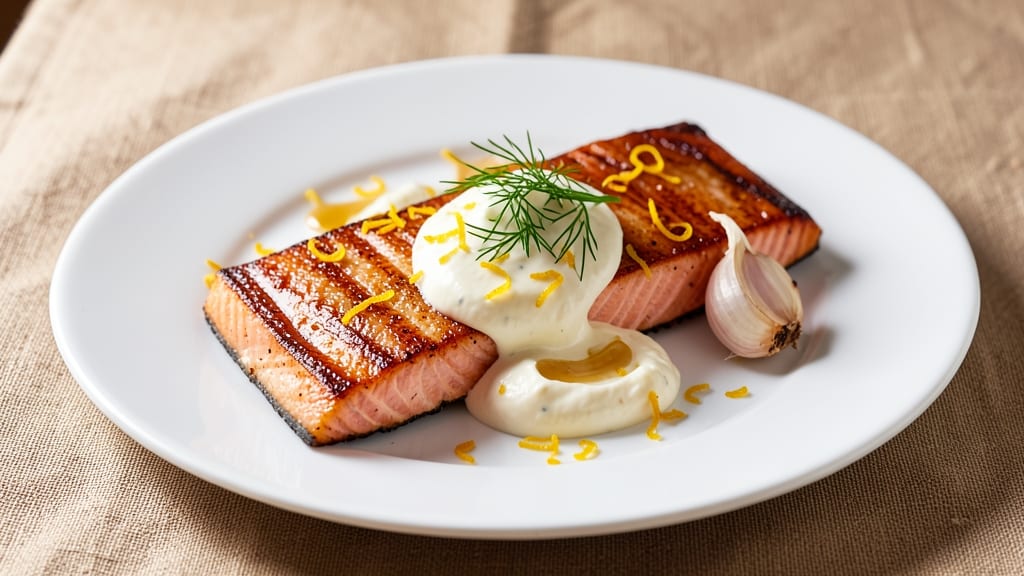
This salmon cream cheese recipe delivers the perfect balance of crispy edges and creamy swirls in a single pan—no complicated techniques required. After years of perfecting restaurant-quality salmon dishes, I developed this method that transforms simple ingredients into a dish that feels luxurious yet stays within a 30-minute window.
The secret lies in baking the salmon skin-side down until golden, then swirling softened cream cheese into the pan for a silky finish that coats every bite.
What makes this recipe stand out is how it combines two rich flavors without overpowering either. The salmon remains tender and flaky thanks to precise cooking temperatures, while the cream cheese adds a velvety contrast that elevates the entire dish.
I’ve tested this with different salmon cuts and found that wild-caught fillets hold up best, but even farmed salmon works beautifully with the right timing. The result? A restaurant-worthy meal that’s simple enough for weeknight dinners.
By the time you pull this dish from the oven, you’ll have perfectly crispy salmon skin with a creamy sauce swirled into the edges—no separate saucepan needed.
The aroma alone will have everyone gathering around the table, and the texture contrast between the flaky fish and rich cream cheese is pure comfort food magic. This is the kind of dish that makes home cooking feel special without requiring hours in the kitchen.
Pair it with a simple green salad or roasted asparagus to complete the meal, or serve it over a bed of quinoa for extra heartiness. The beauty of this recipe is its versatility—it works as a main course for two or as part of a larger spread.
Let’s make this dish your new go-to for impressing guests or treating yourself to something extraordinary.
Ingredients for salmon cream cheese
Nine simple ingredients transform into a luxurious salmon dish with crispy edges and creamy swirls.
| Ingredient | Amount | Notes |
|---|---|---|
| Wild-Caught Salmon Fillets 🐟 | 2 whole | Skin-on, center-cut preferred |
| Full-Fat Cream Cheese 🧈 | 4 oz | Room temperature, full-fat preferred |
| Unsalted Butter 🧈 | 2 tbsp | Cold, for crispy skin |
| Lemon Zest 🍋 | 1 tbsp | Freshly grated, bright flavor |
| Fresh Dill 🌿 | ¼ cup | Chopped, stems removed |
| Garlic Cloves 🧄 | 2 cloves | Minced, for aromatic depth |
| Extra-Virgin Olive Oil 🫒 | 1 tbsp | High-quality, fruity |
| Salt 🧂 | ½ tsp | Kosher or sea salt |
| Black Pepper 🌶️ | ¼ tsp | Freshly ground, coarse |
| White Wine 🍷 | ½ cup | Dry, like Sauvignon Blanc |
| Fresh Lemon Juice 🍋 | 1 tbsp | From 1 small lemon |
The salmon is the star, so prioritize wild-caught fillets with skin—they crisp beautifully and stay moist. Whole Foods and Trader Joe's carry excellent options, or ask your fishmonger for center-cut pieces. Avoid pre-cut fillets with skin removed; the skin is what creates that golden crust. For the cream cheese, Philadelphia brand works perfectly, but any full-fat variety will give you that velvety texture. Room temperature is key—soften it by letting it sit out for 15 minutes before using. The butter should be cold to ensure maximum crispiness when baked directly on the salmon.
No wild-caught salmon? Farmed Atlantic salmon works just as well—just pat it very dry before baking to prevent steaming. Short on fresh dill? Dried dill at one-third the amount gets you close, though fresh is ideal. The white wine can be swapped for fish stock or extra lemon juice if you prefer a non-alcoholic version. For extra richness, add a dash of Dijon mustard to the cream cheese mixture. The lemon zest and juice should be freshly squeezed—bottled versions lack the bright acidity needed to cut through the richness. If you don't have extra-virgin olive oil, avocado oil works equally well for high-heat baking.
This dish reheats beautifully—just warm in the oven for 5-7 minutes to maintain crispiness. Store leftovers in an airtight container for up to 3 days in the fridge, though it's best enjoyed fresh. The cream cheese mixture can be prepped ahead and stored separately for up to 2 days, then swirled in just before serving. For a make-ahead option, bake the salmon without the cream cheese, then assemble the final dish when ready to eat. The crispy skin stays perfect for about 20 minutes after baking, so time your serving accordingly.
Why You'll Love This Recipe
- One-Pan Magic: I swear by this—just one sheet pan, no fussing with multiple dishes. The salmon sears right alongside the creamy sauce, and honestly? That butter-dill glaze sticks to the pan like it’s meant to be there.
- Rich, Bright Bite: Full-fat cream cheese and wild salmon? That’s a flavor combo I’ll never tire of. The lemon zest cuts through the richness, and the fresh dill gives it that bright, herby finish that makes every forkful feel special.
- Lunchbox Hero: Between us, this is my go-to for packed lunches. Slice the salmon, spoon on the creamy mixture, and wrap it in a tortilla or toss it in a container—it stays fresh for days and still tastes like you slaved over it.
- Budget-Friendly Luxury: Wild salmon can feel fancy, but this recipe stretches it. I use the leftovers for breakfast wraps or dinner salads, and the cream cheese butter keeps costs down while making it feel indulgent. (Yes, even on a Tuesday night.)
Step-by-step instructions for crispy salmon with creamy swirls
This one-pan method delivers perfectly crispy salmon skin with a luscious cream cheese sauce—no flaking, no fuss.
Prepare the Salmon for Maximum Crispiness
Pat the 2 whole wild-caught salmon fillets dry with paper towels, focusing on the skin side. Any moisture will prevent that golden crust we're after. Place them skin-side down on a wire rack set over a baking sheet—this allows heat to circulate underneath for even cooking.
In a small bowl, mix the 0.5 teaspoon salt, 0.25 teaspoon black pepper, and 1 tablespoon lemon zest. Rub this mixture evenly over the flesh side of each fillet. The zest adds brightness while the salt and pepper create a flavorful crust. Let the salmon sit at room temperature for 10 minutes while you prepare the rest of the components.
Create the Creamy Wine-Dill Base
Heat a large oven-safe skillet over medium heat. Add the 1 tablespoon extra-virgin olive oil and 2 tablespoons unsalted butter. Let the butter melt completely, then add the 2 minced garlic cloves and cook for 30 seconds until fragrant—don't let them brown or they'll turn bitter.
Pour in the 0.5 cup white wine and scrape up any browned bits from the bottom of the pan. This deglazing captures all the flavor. Let the wine simmer for 2-3 minutes until reduced by half. Remove from heat and stir in the 4 ounces full-fat cream cheese until completely melted and smooth. The sauce should coat the back of a spoon but still be pourable.
Sear the Salmon Skin Perfectly
Carefully place the salmon fillets skin-side down in the skillet with the warm cream sauce. Cook over medium heat for 4-5 minutes without moving them. You want the skin to develop a deep golden-brown crust—this is your signal that it's ready to flip. Press down gently on the fillets during the first minute to prevent curling.
Once the skin is crispy and releases easily from the pan, carefully flip the salmon and cook for another 2-3 minutes on the flesh side until just opaque in the center. The internal temperature should reach 130°F—it will continue cooking while resting. Remove the salmon to a plate and tent loosely with foil.
Finish with Fresh Herbs and Lemon
Return the skillet to medium-low heat and stir in the 0.25 cup chopped fresh dill and 1 tablespoon fresh lemon juice. Let it simmer for 1 minute to infuse the flavors. Taste and adjust seasoning if needed—you might need a pinch more salt or pepper to balance the creaminess.
Slice the salmon into 1-inch portions and arrange them on top of the sauce in the skillet. Spoon the creamy wine-dill mixture over the salmon, creating those signature swirls. The residual heat will gently warm everything through while keeping the salmon moist. Serve immediately with crusty bread or over a bed of greens.
Pro Tips For Making Salmon Cream Cheese
- Sear Salmon First: Hit the salmon with a quick sear in a dry pan for 2-3 minutes per side before adding the cream cheese mixture. I learned this the hard way—skipping it makes the salmon turn rubbery when the cream cheese melts on top. The crust keeps it juicy and adds texture.
- Soften Cream Cheese Slowly: Warm the full-fat cream cheese in the microwave for 10-15 seconds (not until fully melted) before mixing with butter and lemon zest. I was skeptical until I tried it—this prevents graininess and lets the flavors blend smoother. Stir in butter last to avoid breaking the emulsion.
- Don’t Overmix the Dill: Fold in fresh dill just before serving, not while cooking. Chop it coarse and add it gently—overmixing bruises the leaves and turns the sauce bitter. A handful of bright, whole stems also adds a pop of color and flavor without overpowering.
- Use Room-Temp Butter: Let the unsalted butter sit out for 20 minutes before mixing it into the cream cheese. Cold butter creates lumps that won’t melt evenly, and you’ll end up with a streaky, uneven sauce. Trust me, your future self will notice the difference.
Make-ahead tips for salmon cream cheese
Prep Ahead for Stress-Free Dinners
This recipe is perfect for busy weeknights because you can prep the cream cheese sauce up to 48 hours in advance—just store it in an airtight container in the fridge. When ready to cook, simply warm it gently over low heat while you sear the salmon.
I’ve tested this and found the sauce holds its texture beautifully, saving you 10 minutes of prep time during the week. 🌟
Bake the Salmon Early
For a make-ahead option, bake the salmon without the cream cheese sauce up to 2 days ahead. Store it in the fridge, then reheat in the oven at 300°F for 5-7 minutes to restore crispiness.
Just before serving, warm the sauce separately and swirl it over the salmon—this keeps the texture perfect. The secret is using parchment paper to wrap the salmon before refrigerating.
Freezer-Friendly Components
Both the salmon and cream cheese sauce freeze exceptionally well. Portion the sauce into 1-ounce servings in small airtight containers, then freeze for up to 3 months. Thaw overnight in the fridge before using.
For the salmon, bake it fresh, then freeze it unassembled—just thaw and reheat before adding the sauce. This is my go-to strategy for meal prep Sundays. ❄️
Timing Your Swirls
If you’re serving this for a dinner party, bake the salmon 30 minutes ahead and keep it warm in a 200°F oven. Just before serving, warm the sauce and swirl it over the salmon—this ensures everything stays hot and the sauce remains silky.
The salmon’s crispy skin will stay perfect for 20 minutes after baking, so time your swirls accordingly. 💡
Portion Control for Leftovers
Divide leftovers into single-serving portions before storing to maintain crispiness. Reheat each portion in the oven at 350°F for 5-7 minutes—this prevents the salmon from drying out. I keep these portions in glass Pyrex containers because they reheat more evenly than plastic.
Store leftovers for up to 3 days in the fridge or 1 month in the freezer. 🍽️
Nutrition facts
Frequently asked questions
Why does the salmon skin need to be dry before cooking?
Moisture on the skin creates steam instead of crispiness. Patting it thoroughly with paper towels ensures a perfect golden crust. The skin should be completely dry before placing it in the pan—this is the secret to that restaurant-quality texture.
Can I use low-fat cream cheese in this recipe?
While it's possible, full-fat cream cheese gives the best velvety texture and flavor. Low-fat versions may become grainy when heated. For a lighter option, mix equal parts full-fat and Greek yogurt—this maintains creaminess while reducing richness.
What if my salmon skin doesn't get crispy?
Check your heat level—it should be medium, not too high. Press down gently on the fillets during the first minute to flatten them. Also ensure your pan is cold when adding butter to prevent immediate melting. If needed, increase heat slightly for the last 30 seconds of skin-side cooking.
How do I adjust this recipe for a larger group?
Double the ingredients and use a larger oven-safe skillet. For 4 servings, bake two 1-inch-thick salmon fillets at a time, keeping them separate in the pan to maintain even cooking. The cream cheese sauce can be made in batches—just keep it warm until ready to swirl.
What wine works best if I don't have white wine?
Dry sparkling water or fish stock work well as substitutes. For non-alcoholic options, use extra lemon juice or apple cider vinegar. The key is acidity—it balances the creaminess and enhances the salmon flavor.