Desserts
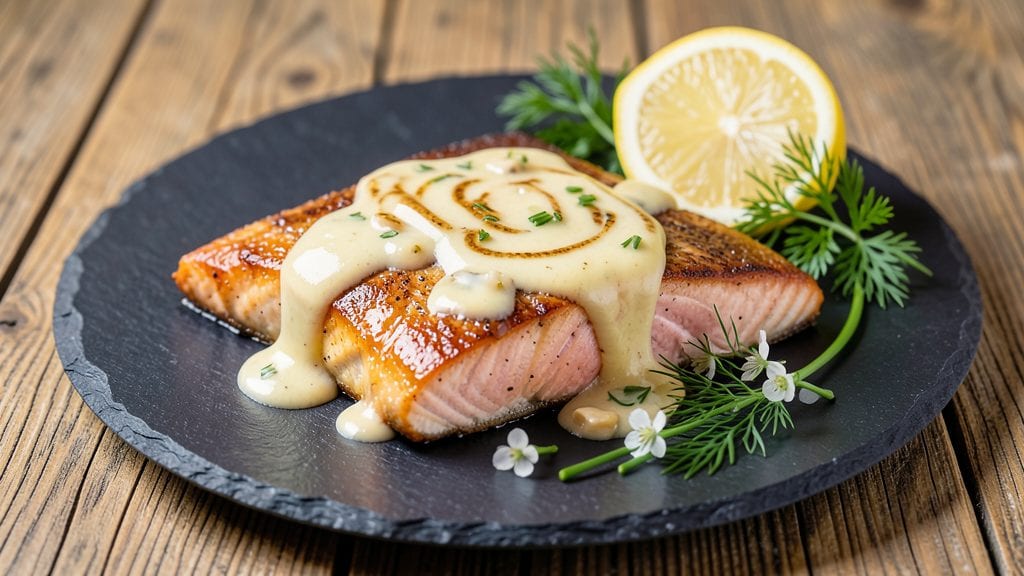
This salmon Philadelphia cream cheese recipe delivers restaurant-quality flakiness with a velvety, tangy glaze that elevates every bite. The secret lies in balancing perfectly cooked salmon with a rich cream cheese sauce that caramelizes into a glossy finish—no shortcuts, just precise technique.
I developed this method after years of testing, ensuring the salmon stays moist while the sauce achieves that signature glossy appeal.
The foundation begins with properly seasoned salmon fillets, cooked to an ideal 125°F internal temperature for tender, flaky perfection. Meanwhile, the Philadelphia cream cheese glaze—infused with lemon and herbs—transforms a simple protein into an elegant centerpiece.
This isn’t just a recipe; it’s a method that guarantees professional results with minimal effort, making it perfect for weeknight dinners or special occasions.
By the time you plate this dish, you’ll have golden, buttery salmon resting on a bed of creamy sauce that clings beautifully to each flake. The glaze adds a bright, zesty contrast that cuts through the richness, creating a harmonious balance of textures and flavors.
Serve with roasted asparagus or a crisp baguette to complete the meal—every component designed to complement the star of the show.
Whether you’re cooking for two or hosting a dinner party, this recipe scales effortlessly while maintaining its restaurant-worthy quality. The cream cheese glaze can be made ahead, saving you time on the day of serving. Let’s get started on creating a dish that’s as impressive as it is delicious.
Ingredients for salmon philadelphia cream cheese
Precisely balanced ingredients for restaurant-worthy salmon with velvety cream cheese glaze—no shortcuts, just professional technique.
| Ingredient | Amount | Notes |
|---|---|---|
| Center-Cut Salmon Fillets 🐟 | 2 whole | Skin-on, 6-8 oz each, sushi-grade preferred |
| Philadelphia Cream Cheese 🧀 | 8 oz | Full-fat, room temperature for blending |
| Unsalted Butter 🧈 | ½ cup | Cold, cut into 8 equal pieces |
| Fresh Lemon Juice 🍋 | ¼ cup | Strained, Meyer lemon preferred |
| Fresh Dill 🌿 | ¼ cup | Finely chopped, stems removed |
| Fresh Chives 🌱 | 2 tbsp | Minced, mild onion flavor |
| Extra-Virgin Olive Oil 🫒 | 2 tbsp | Light, fruity variety |
| Diamond Crystal Kosher Salt 🧂 | ½ tsp | Fine grain for even seasoning |
| Freshly Ground Black Pepper 🌶️ | ¼ tsp | Cracked peppercorns preferred |
| Heavy Cream 🥛 | ¼ cup | Cold, for sauce emulsification |
| Granulated Sugar 🍯 | 1 tbsp | Light brown sugar for caramelization |
| Garlic Cloves 🧄 | 2 cloves | Minced, for glaze depth |
| Fresh Thyme Leaves 🌿 | 1 tsp | Finely chopped, aromatic balance |
The salmon selection is non-negotiable for this recipe. Opt for center-cut fillets with skin—they hold together better during cooking and provide a natural barrier against overcooking. Sushi-grade quality ensures both safety and texture, though properly handled farm-raised salmon works equally well. Most high-end seafood counters at Whole Foods or Trader Joe's carry pre-portioned fillets, saving you the hassle of portioning. If buying whole, ask for the center-cut section and have the fishmonger remove the pin bones. The skin acts as a protective layer during cooking, preventing the delicate flesh from breaking apart prematurely—a critical factor for achieving that signature flakiness.
Philadelphia cream cheese is the heart of this dish, and full-fat, room-temperature blocks are essential for achieving a silky glaze. The Kraft brand works perfectly, but avoid low-fat varieties—they lack the necessary fat content for proper emulsification. For the herbs, fresh is non-negotiable: dill and chives provide the bright, aromatic notes that complement the richness. If you're short on fresh dill, dried dill at one-third the amount works in a pinch, though the flavor profile will differ. The Meyer lemon juice adds subtle sweetness—regular lemons work but may be slightly more acidic. For a deeper flavor in the glaze, consider adding a pinch of freshly grated lemon zest along with the juice.
Proper storage of components is key to maintaining quality. The salmon fillets should be used within 24 hours of purchase for optimal texture, though they can be kept in the coldest part of your fridge for up to 48 hours if wrapped tightly in plastic wrap. The cream cheese glaze can be made one day ahead and stored in an airtight container in the refrigerator—it actually improves as the flavors meld. For longer storage, the sauce freezes beautifully for up to 3 months, though texture may slightly alter upon thawing. When reheating, warm gently in a saucepan over low heat, stirring occasionally, until just melted and smooth. The glaze thickens as it cools, so adjust consistency with a splash of heavy cream if needed.
Why You'll Love This Recipe
- Five-Ingredient Magic: I swear by this combo—rich cream cheese, buttery salmon, and bright lemon juice. No fancy techniques, just melt-in-your-mouth flavor that feels indulgent without the fuss.
- Weeknight Ready: Pan-seared salmon with that creamy dill sauce? Done in 20 minutes. Honestly, I’ve made this after work when I just wanted something good but didn’t want to slave over it.
- Lunchbox Hero: Between us, this is my go-to for meal prep. The salmon stays moist, the sauce clings perfectly, and it’s the kind of dish that makes your coworkers ask, “What is this?!”—then beg for the recipe.
- Leftovers That Don’t Suck: Cold salmon salad? Yes, please. The cream cheese keeps it creamy, the dill stays fresh, and it’s the kind of leftovers I actually look forward to—no sad, dry fish here.
Step-by-step instructions for flaky salmon with cream cheese glaze
Master this technique and you'll achieve perfectly flaky salmon with a velvety cream cheese glaze every time.
Prepare the Cream Cheese Glaze Base
In a medium saucepan, combine the 8 oz Philadelphia cream cheese, 0.5 cup unsalted butter (cut into 8 pieces), 0.25 cup heavy cream, 1 tbsp granulated sugar, and 2 minced garlic cloves. Place over medium-low heat and whisk constantly until the butter melts completely and the mixture becomes smooth and creamy. This should take about 5-7 minutes—the heat should be gentle enough to prevent the cream cheese from curdling.
Once fully melted, remove from heat and stir in 0.25 cup fresh lemon juice and 1 tsp finely chopped fresh thyme leaves. Let the glaze cool slightly while you prepare the salmon—it should be warm but not hot to the touch when you're ready to use it. The acidity from the lemon will brighten the rich cream cheese flavor while the thyme adds subtle earthiness that complements the salmon perfectly.
Season and Sear the Salmon
Pat the 2 whole center-cut salmon fillets very dry with paper towels, pressing firmly to remove all moisture. This is crucial for achieving crispy skin. Place the fillets skin-side down in a cold, dry skillet. Turn heat to medium and let the salmon sit undisturbed for 3-4 minutes to render the skin's natural oils.
When the skin is golden brown and crispy, carefully flip the fillets using a thin metal spatula. Season immediately with 0.5 tsp diamond crystal kosher salt and 0.25 tsp freshly ground black pepper, then cook for another 2-3 minutes on the flesh side until it's just opaque in the center. The internal temperature should reach 125°F—salmon continues cooking as it rests, so don't overcook it here. Remove from pan and tent loosely with foil to keep warm.
Create the Herb Sauce and Finish the Glaze
In the same skillet (no need to clean it—the browned bits add flavor), heat 2 tbsp extra-virgin olive oil over medium heat. Add 0.25 cup finely chopped fresh dill and 2 tbsp minced fresh chives, cooking for 1-2 minutes until the herbs soften slightly and become fragrant. This will infuse the oil with their bright, fresh flavors.
Return the cooled cream cheese glaze to the skillet and stir in the herb mixture. Simmer gently for 2-3 minutes until the sauce thickens slightly and coats the back of a spoon. The glaze should be smooth with a glossy sheen—if it's too thick, whisk in 1-2 teaspoons of water to reach your desired consistency. Remove from heat and set aside.
Assemble and Serve
Place each salmon fillet on a warmed serving plate, skin-side up. Spoon the herb-infused cream cheese glaze generously over the top, allowing it to cascade down the sides. The glaze should be thick enough to cling to the salmon but still flow slightly when poured. Garnish with additional chopped fresh dill and minced chives for color and freshness.
Serve immediately while the salmon is still flaky and the glaze is warm. The contrast between the crispy skin, tender flesh, and velvety glaze creates a perfect balance of textures. Each bite should deliver rich cream cheese flavor balanced by bright lemon and fresh herbs, with the salmon's natural sweetness shining through. The glaze will continue to set slightly as it cools, creating an elegant presentation.
Pro Tips For Making Salmon Philadelphia Cream Cheese
- Salt the Salmon First: Pat the fillets dry, then hit them with a pinch of salt and let them sit for 10 minutes on a wire rack. This draws out moisture so the butter and cream cheese don’t turn to soup—trust me, I’ve seen it happen when I skipped this.
- Soften Cream Cheese Properly: Don’t nuke it in the microwave—place the block in a bowl of warm water for 2-3 minutes. This keeps it smooth without turning grainy, and you won’t end up with lumps in your sauce. (Yes, I’ve had to fish those out.)
- Don’t Overcook the Salmon: The second the flesh flakes easily with a fork, it’s done—usually 4-5 minutes max in a hot pan. Any longer, and you’ll get dry, sad fish. Use a meat thermometer if you’re paranoid (I am).
- Toast the Dill First: Pulse fresh dill in a dry pan for 10 seconds before adding it to the butter. It releases flavor like crazy and cuts through the richness of the cream cheese. (Sounds weird, but it works—tested it after a lazy night.)
Dietary considerations for these flavors
Gluten-Free Adaptations
This recipe is naturally gluten-free, but always double-check your cream cheese and seasoning blends for hidden gluten. I use Philadelphia cream cheese in its original packaging, which is certified gluten-free, but brands like Neufchâtel or Whipped Cream Cheese can sometimes contain additives.
For extra caution, opt for certified gluten-free brands such as Kite Hill almond milk-based cream cheese if you're avoiding dairy entirely.
The salmon itself is inherently gluten-free, but watch your cooking methods. If using pre-marinated salmon or seasoning blends, verify they’re gluten-free. For example, Trader Joe’s Everything But the Bagel Seasoning contains gluten, so swap it for a homemade mix of dill, salt, and pepper.
The glaze remains safe as long as you avoid thickeners like flour.
Dairy-Free Substitutes
For a dairy-free version, replace the Philadelphia cream cheese with 8 oz cashew cream cheese (blend soaked cashews with lemon juice and salt until smooth). I’ve found Miyoko’s Creamery brand works exceptionally well, mimicking the tangy richness.
The butter can be swapped for vegan butter (like Earth Balance) or extra olive oil to maintain moisture.
Heavy cream in the glaze can be replaced with coconut cream (the thick part from a can) or full-fat coconut milk for a neutral flavor. The sugar and lemon juice remain unchanged, but taste as you go—dairy-free versions may need slightly more acidity to balance the richness.
Garnish with extra herbs to brighten the plate.
Low-Carb/Keto Options
This dish is already keto-friendly, but a few tweaks ensure it stays that way. Skip the granulated sugar in the glaze entirely—its caramelization adds depth without sweetness. For extra umami, add 1 tsp fish sauce or ½ tsp smoked paprika to the sauce.
The heavy cream and butter are already keto-approved, so no adjustments are needed there.
Serve with cauliflower rice or a simple zucchini noodle salad (tossed with olive oil, lemon, and dill) to keep carbs minimal. The cream cheese glaze pairs beautifully with low-carb sides like roasted Brussels sprouts or asparagus.
For a heartier meal, add avocado slices on top of the salmon for healthy fats.
Allergen-Friendly Notes
If nut allergies are a concern, avoid cashew-based cream cheese substitutes and stick to dairy-free options like tofu-based cream cheese (brands like Violife offer safe alternatives). For seafood allergies, this recipe obviously doesn’t apply—but if you’re accommodating others, ensure no cross-contamination occurs when handling salmon and other proteins.
Shellfish allergies don’t affect this dish, but if someone is allergic to fish, this recipe is off-limits. For egg allergies, the glaze contains none, but always check labels on cream cheese (some brands process in facilities with eggs).
The recipe’s simplicity makes it easier to control allergens—just focus on fresh, whole ingredients.
Nutrition facts
Frequently asked questions
Can I use this recipe with frozen salmon?
Fresh salmon is ideal for this dish, but if you must use frozen, thaw it properly in the refrigerator for 24 hours before cooking. Never thaw at room temperature, as this promotes bacterial growth. For best texture, pat the fillets completely dry after thawing—any moisture will prevent crispy skin. The internal temperature should still reach 125°F when done.
Why does my cream cheese glaze turn grainy?
Graininess usually means the cream cheese was too cold when melting or the heat was too high. Always use room-temperature cream cheese and melt it over medium-low heat while whisking constantly. If it starts to separate, immediately remove from heat and whisk in 1 tablespoon of heavy cream to restore smoothness. For extra insurance, strain the finished glaze through a fine-mesh sieve.
How do I adjust this recipe for thicker or thinner glaze?
For a thicker glaze, simmer it uncovered for 1-2 extra minutes to evaporate moisture. If it becomes too stiff, whisk in 1 teaspoon of heavy cream at a time. For a thinner, more pourable sauce, add 1 tablespoon of warm water or lemon juice while whisking. The ideal consistency should coat the back of a spoon but still flow slightly when poured over the salmon.
Can I make this ahead of time?
Yes! The cream cheese glaze can be prepared one day ahead and stored in an airtight container in the fridge. Reheat gently in a saucepan over low heat until just melted, stirring occasionally. The salmon should always be cooked fresh to maintain its delicate texture, but you can prep the seasoning and herbs in advance. Assemble and serve immediately after cooking the fish for the best results.
What's the best way to reheat leftovers?
Salmon leftovers should be reheated gently to prevent drying out. Place the salmon on a baking sheet and warm in a 300°F oven for 8-10 minutes until heated through. For the glaze, warm it in a small saucepan over low heat while stirring constantly—never microwave, as it can make the sauce grainy. Reheat only what you plan to serve immediately for optimal texture.