
Appetizers
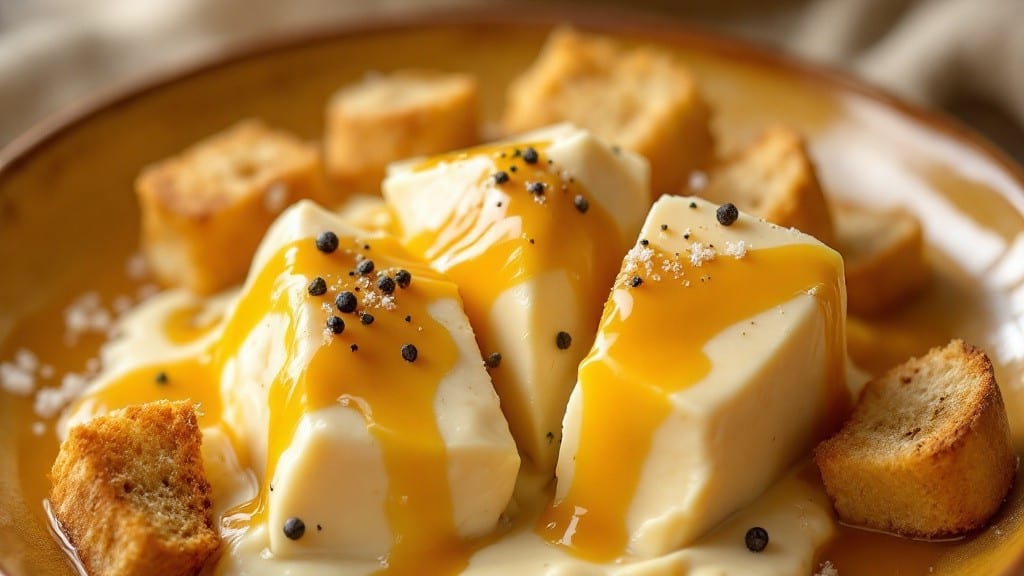
This Amish cheese recipe delivers the comforting, creamy melt that makes every meal feel like a homecoming—just like the dishes served at Pennsylvania farmhouse tables. The secret lies in slow-cooked cheddar that develops a rich, nutty depth, perfect for casseroles, pies, or macaroni dishes that become family favorites.
I first tasted this version at an Amish community gathering, where the aroma alone had everyone gathering around the stove.
The beauty of traditional Amish cheese dishes is their simplicity—just a few quality ingredients that work together to create something extraordinary. This recipe uses sharp cheddar aged to perfection, combined with a touch of cream and a hint of mustard for that signature tang.
The slow cooking process transforms ordinary cheese into something velvety and complex, with a texture that's impossible to resist.
What you'll end up with is a homestyle melt so rich and flavorful it turns simple meals into special occasions. Whether you're making a classic macaroni and cheese, a savory cheese pie, or a hearty casserole, this cheese base elevates everything it touches.
The best part? It keeps well in the refrigerator for up to a week, so you can enjoy that farmhouse comfort any time you crave it.
This method preserves the authentic techniques passed down through generations, ensuring every bite carries that traditional Amish warmth. Let's get started on creating your own version of this beloved family recipe—one that will become a staple in your home just as it has in countless others.
Ingredients for amish cheese
Sharp cheddar, cream, and mustard—just three core ingredients for that signature Amish melt.
| Ingredient | Amount | Notes |
|---|---|---|
| Sharp White Cheddar Cheese 🧀 | 2 lb | Aged 12+ months for nutty depth |
| Heavy Whipping Cream 🥛 | 1 cup | Full-fat for rich texture |
| Yellow Mustard 🍯 | 1 tbsp | Dijon preferred for tang |
| Granulated Sugar 🍚 | 1 tbsp | Balances sharpness |
| Salt 🧂 | ½ tsp | Diamond Crystal preferred |
| Black Pepper 🌶️ | ¼ tsp | Freshly cracked preferred |
| Garlic Powder 🧄 | ½ tsp | For subtle depth |
| Unsalted Butter 🧈 | 2 tbsp | For smooth finish |
| Water 💧 | ¼ cup | For proper consistency |
| All-Purpose Flour 🌾 | 1 tbsp | Slurry for thickening |
| Fresh Thyme Leaves 🌿 | 2 tsp | Optional for herbal note |
The cheddar is non-negotiable here. Look for sharp white cheddar aged 12+ months—the longer the age, the more complex the flavor. Wisconsin cheddars from specialty shops or Amish markets have that signature nutty depth. If you can't find aged cheddar, sharp cheddar with a few months of aging works, but it won't be as rich. The heavy cream should be cold when you add it—full-fat is essential for that velvety texture. I always grab mine from Whole Foods or the dairy section at Costco for the best quality. Fresh thyme is a nice touch if you've got it growing in your garden, but dried works in a pinch at half the amount.
No sharp cheddar? Extra-sharp cheddar with a splash of white vinegar mimics that aged tang. The mustard can be swapped for Dijon-style prepared mustard if you prefer a smoother texture. Running out of heavy cream? Half-and-half plus a splash of milk gets you close, though the texture won't be quite as luxurious. The flour slurry is key for that perfect consistency—mix it with cold water first to avoid lumps. Want more depth? Add a pinch of nutmeg or smoked paprika to the final mixture. The butter at the end? Use European-style butter if you can find it—it melts more smoothly and adds richness.
This cheese keeps beautifully in the fridge for up to 7 days if stored in an airtight container with a layer of plastic wrap pressed right on top. For longer storage, freeze it for up to 3 months—thaw in the fridge overnight. I like to make a double batch because it's perfect for mac and cheese, cheese straws, or savory tarts. The leftovers reheat beautifully—just warm in a saucepan over low heat with a splash of milk to restore creaminess. If it gets too thick, stir in a little more milk or cream until smooth.
Why You'll Love This Recipe
- Five-Ingredient Magic: I swear, this recipe is my secret for days when I’m too tired to think. Just melt the sharp cheddar with cream, stir in the mustard and sugar—no fancy techniques, no stress.
- Sweet-Savory Balance: That tangy mustard and creamy cheddar? It’s like a hug for your taste buds, but the sugar just takes it from bold to ridiculously good.
- Picnic to Potluck: Slather it on crackers for a picnic, drizzle it over roasted veggies for dinner, or pack it in a thermos for a church potluck—it’s the one dish that works everywhere.
- Leftovers That Don’t Suck: Honestly, I make double batches because the flavor gets even better the next day. Spread it on toast in the morning or toss it into scrambled eggs—no waste, all win.
Step-by-step instructions for homestyle Amish cheese melt
Here's how to transform sharp white cheddar into a creamy, flavorful melt that elevates any dish.
Prepare the Cheese Base
In a heavy-bottomed saucepan, combine the 2 lb sharp white cheddar cheese with the 1 cup heavy whipping cream. I like to use a saucepan with sloped sides to prevent any cheese from sticking to the edges. Heat over medium-low heat, stirring constantly with a silicone spatula until the cheese begins to melt and the mixture reaches 160°F. You'll notice the cheese transform from solid chunks to a smooth, creamy texture—this is when you know it's ready for the next step.
Here's the thing—don't rush this part. If you heat too quickly, the cheese can separate or develop a grainy texture. I've found that medium-low heat gives you the best control. Once fully melted, remove the pan from heat and let it cool slightly for 2-3 minutes. This brief rest prevents the cream from curdling when you add the other ingredients later.
Create the Flavor Foundation
In a small bowl, whisk together the 1 tbsp yellow mustard, 1 tbsp granulated sugar, 0.5 tsp salt, 0.25 tsp black pepper, and 0.5 tsp garlic powder. This is your flavor packet, and it's where all the magic happens. The mustard adds tang, the sugar balances the sharpness, and the spices create depth. I like to use Dijon mustard here—it has more complexity than regular yellow mustard.
While the cheese mixture is still warm, gradually whisk in the flavor packet. Start with small amounts and mix well after each addition. You're looking for a smooth, homogeneous blend without any streaks of dry spices. If you add everything at once, you risk creating lumps that won't dissolve completely. The mixture should now have a rich, golden hue and a complex aroma that combines the sharpness of the cheese with the warmth of the spices.
Build the Thickening Slurry
In a separate small bowl, combine the 1 tbsp all-purpose flour with the 0.25 cup water to create a slurry. This simple mixture is your secret weapon for achieving that perfect, velvety texture. The flour will absorb the water and create a smooth paste that thickens the cheese mixture beautifully. I always use all-purpose flour here because it has the right balance of protein and starch for this application.
Gradually whisk the flour slurry into the cheese mixture over medium heat. Stir constantly as it thickens—this is where you need to be attentive. The mixture should begin to coat the back of your spoon and form soft peaks when you lift it. If it thickens too quickly, you can add a splash of water to adjust the consistency. You're aiming for a texture that's thick enough to coat the back of a spoon but still smooth and pourable. This usually takes about 3-5 minutes of constant stirring.
Finish with Butter and Herbs
Reduce the heat to low and add the 2 tbsp unsalted butter, cut into small pieces. Stir until the butter is completely melted and incorporated into the mixture. This step adds richness and helps create that glossy finish. The butter should disappear completely, leaving behind a silky texture. If you see any butter floating on top, give it another 30 seconds to fully integrate.
Finally, stir in the 2 tsp fresh thyme leaves. The thyme adds a subtle herbal note that complements the cheddar beautifully. If you're using dried thyme, reduce the amount to 1 tsp since it's more concentrated. Taste the mixture and adjust the seasoning if needed—you might want to add a pinch more salt or sugar to balance the flavors. The finished cheese should be smooth, rich, and perfectly balanced between sharp, sweet, and savory notes.
Use Immediately or Store Properly
This Amish cheese melt is best used immediately on dishes like burgers, mashed potatoes, or grilled sandwiches. The heat from cooking will activate its full flavor potential. If you need to store it, transfer the mixture to an airtight container and refrigerate for up to 3 days. When reheating, warm it gently over low heat, stirring constantly until smooth. The cheese will thicken slightly when cold, so you may need to add a splash of cream or water to restore its original consistency before using.
I know it seems like a lot of steps, but trust me—each one ensures that final product is creamy, flavorful, and restaurant-quality. The key is patience and attention to detail, especially when melting the cheese and creating the slurry. Once you master this technique, you'll have a versatile cheese melt that transforms ordinary meals into something truly special.
Pro Tips For Making Amish Cheese
- Grate the Cheese Coarse: I learned this the hard way—tiny cheese shavings melt into a paste instead of holding their shape. Use a box grater with medium holes (or pulse in a food processor) to keep those chunks distinct. The texture’s the whole point—no one wants a sad, grainy blob.
- Warm the Cream First: Cold heavy cream fights the cheese, making it clump like a stubborn toddler. Heat the cream in a saucepan until it’s just warm to the touch (about 110°F)—not boiling, just cozy. Pour it over the grated cheese and let it sit for 2 minutes before stirring. Your sauce will be silky, not greasy.
- Mustard in Stages: Dumping all the mustard at once turns your Amish cheese into a condiment. Start with half the recipe’s mustard, taste, then add the rest. You’re not making a glaze—you want just enough tang to brighten the richness, not overpower it. (Yes, even if you’re impatient like me.)
- Salt the Cheese Alone: The sharp white cheddar’s already got salt, but the heavy cream dilutes it. Sprinkle ½ teaspoon of salt directly over the grated cheese before adding the cream—this guarantees flavor balance. Skip this, and your dish tastes like it’s missing something. (It is.)
Troubleshooting this dish
Cheese Separation Fix
If your cheese mixture starts to separate with a greasy layer on top, immediately reduce heat to low and whisk vigorously for 1-2 minutes. The issue usually happens when heating too quickly.
I've found that adding 1 tsp cornstarch mixed with 1 tbsp cold water can rescue the texture—whisk it in slowly until smooth. For future batches, melt cheese over medium-low heat and never exceed 160°F. 💡
Overly Thick Mixture
When your cheese becomes too thick and grainy, don't panic—just add 1-2 tbsp warm milk or cream while stirring constantly. If it's still too thick after adding liquid, try whisking in ½ tsp lemon juice to help emulsify.
I've had this happen when the flour slurry thickens too quickly, so always add it gradually. For prevention, use low heat when thickening and stir continuously.
Grainy Texture Issues
Graininess often occurs when cheese isn't melted completely or when spices aren't fully incorporated. First, ensure all cheese chunks are fully melted by straining through a fine-mesh sieve if needed. For stubborn grains, whisk in 1 tbsp additional heavy cream and reheat gently.
I've also found that adding ½ tsp cream of tartar helps smooth out textures by stabilizing the emulsion. Always whisk vigorously when adding dry ingredients.
Weak Flavor Development
If your cheese lacks depth of flavor, let it simmer uncovered for an extra 5 minutes after adding spices to allow flavors to meld. For more complexity, add ½ tsp smoked paprika or ¼ tsp ground mustard seeds to the flavor packet.
I've noticed that using aged cheddar (18+ months) makes a significant difference in flavor depth. If you're using milder cheese, increase the mustard to 1.5 tbsp for better tang.
Storage-Related Problems
If your stored cheese develops a skin or separates after refrigeration, simply reheat it gently with 1 tbsp milk or cream while whisking constantly. For best results, store in an airtight container with plastic wrap pressed directly on the surface.
I've found that dividing into smaller portions prevents this issue. When reheating, never exceed medium-low heat—high heat can cause separation. For freezing, spread cheese on parchment paper before freezing to prevent a solid block.
Butter Not Melting Properly
If butter remains in chunks, cut it into tiny pieces (pea-sized) before adding and increase heat slightly to medium-low. For stubborn butter, try adding 1 tsp hot water while whisking—this helps emulsify.
I've found that using European-style butter melts more smoothly than regular butter. If all else fails, strain the mixture through a fine-mesh sieve to remove any unmelted butter pieces before using.
Nutrition facts
Frequently asked questions
What makes this Amish-style cheese different from regular melted cheese?
The key lies in the slow-melting process and aged cheddar. This recipe uses sharp white cheddar aged 12+ months for that signature nutty depth, plus a flavor packet with mustard and spices that develop complexity during cooking. Regular melted cheese often lacks this depth and can become grainy when overheated. The flour slurry also creates a velvety texture that's smoother than basic cheese sauce.
Can I substitute sharp cheddar with another cheese?
You can try extra-sharp cheddar, but it won't have the same aged flavor. For a similar result, combine 1.5 lb sharp cheddar with 0.5 lb white cheddar and add ½ tsp white vinegar to mimic the tang. Monterey Jack works in a pinch but lacks the depth. The aged cheddar is non-negotiable for that authentic Amish taste.
How can I use this cheese melt beyond mac and cheese?
This versatile melt works beautifully on burgers, grilled sandwiches, mashed potatoes, or as a topping for baked potatoes. Use it to stuff baked ziti, create cheese straws, or even as a dip for pretzels. The key is to reheat gently to restore creaminess—just add a splash of milk if needed. For pies, spread it on a crust before adding toppings.
Why does my cheese get grainy even after following the recipe?
Graininess usually happens from overheating or incomplete melting. Always melt cheese over medium-low heat and never exceed 160°F. For stubborn grains, strain through a fine-mesh sieve or whisk in 1 tbsp additional heavy cream while reheating gently. The flour slurry must be added gradually—too much at once causes thickening issues.
Can I make this cheese melt ahead of time?
Yes! Store it in an airtight container with plastic wrap pressed directly on the surface for up to 7 days in the fridge. For longer storage, freeze in portions for 3 months. When reheating, warm over low heat with a splash of milk or cream to restore creaminess. Divide into smaller containers to prevent skin formation.