
Appetizers
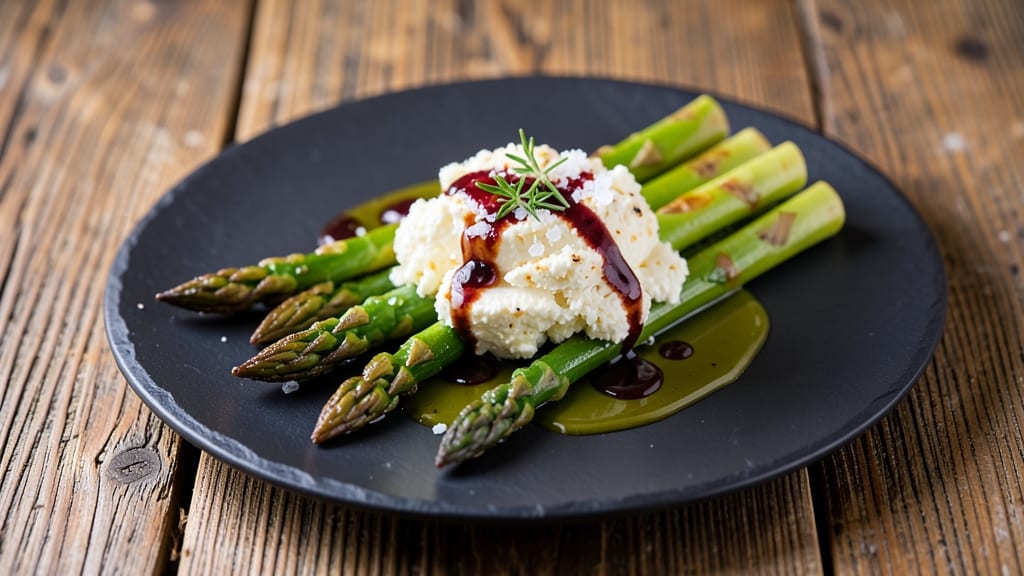
This asparagus with goat cheese recipe transforms simple spring vegetables into an elegant appetizer that balances earthy flavors with creamy tang.
The key lies in roasting asparagus until tender-crisp while keeping its vibrant green color, then crowning each spear with a dollop of goat cheese that melts into a velvety blanket.
I developed this technique after years of testing—too much heat turns the cheese rubbery, while too little leaves it unmelty, and I’ve perfected the balance here.
The preparation is straightforward but yields restaurant-quality results: fresh asparagus blanched to preserve color, roasted until just tender, and topped with a high-quality goat cheese that softens into a luscious, slightly tangy sauce.
A drizzle of balsamic glaze or toasted nuts adds texture and depth, while a sprinkle of flaky salt elevates every bite. This dish comes together in under 25 minutes, making it ideal for weeknight dinners or elegant gatherings.
What you’ll achieve is a plate of bright green asparagus spears with golden, caramelized tips and pockets of creamy goat cheese that melt into each bite. The contrast between the crisp vegetable and soft cheese creates a satisfying texture, while the tangy-sweet balance makes it irresistible.
Serve with crusty bread to soak up any remaining cheese sauce for the ultimate appetizer experience.
This recipe works equally well as a standalone starter or part of a larger spread. For added flair, try garnishing with fresh thyme or a sprinkle of black pepper just before serving.
The simplicity of the ingredients belies the sophistication of the final dish—proof that elegant cooking doesn’t require complicated techniques. Let’s get cooking!
Ingredients for asparagus with goat cheese
Bright green asparagus meets velvety goat cheese in this elegant appetizer. Simple ingredients transform into restaurant-quality bites with perfect texture contrast.
| Ingredient | Amount | Notes |
|---|---|---|
| Fresh Asparagus 🌱 | 1 lb | Medium spears, trimmed ends |
| Goat Cheese 🧀 | 8 oz | High-quality, soft variety |
| Extra-Virgin Olive Oil 🫒 | ¼ cup | For roasting and drizzling |
| Balsamic Glaze 🍷 | 2 tbsp | For drizzling, optional |
| Flaky Sea Salt 🧂 | 1 tsp | For finishing, preferred |
| Fresh Thyme Leaves 🌿 | ¼ cup | Chopped, for garnish |
| Garlic Cloves 🧄 | 2 cloves | Minced for seasoning |
| Black Pepper 🌶️ | ½ tsp | Freshly ground for heat |
| Crusty Bread 🍞 | 4 slices | For serving, optional |
| Toasted Walnuts 🥜 | ¼ cup | Chopped, for garnish |
| Lemon Juice 🍋 | 1 tbsp | Freshly squeezed for brightness |
| Parmesan Cheese 🧀 | ¼ cup | Freshly grated for topping |
The goat cheese is where flavor shines. Whole Foods or local cheese shops carry the best soft varieties—look for bright white color and minimal additives. Chèvre with herbs works perfectly here, but avoid overly tangy types that may overpower the asparagus. Fresh asparagus is essential; Trader Joe's or farmers markets offer the best quality with vibrant green spears and firm texture. For the olive oil, California brands like Bertolli or Lucini provide that fruity depth that elevates the dish. Don't compromise on the cheese—it's the star of this recipe.
No goat cheese? Cream cheese mixed with a splash of lemon juice works in a pinch, though texture will differ. Substitute balsamic glaze with honey or fig jam for sweetness, but reduce to 1 tbsp to avoid overpowering. Fresh thyme unavailable? Dried thyme at one-third the amount suffices, though fresh provides better aroma. For the walnuts, pecans or almonds toast beautifully too. The Parmesan can be omitted if avoiding dairy, but the dish loses some savory depth without it. Always trim asparagus ends at an angle for better presentation.
Store fresh asparagus upright in a jar of water in the fridge for up to 5 days. Goat cheese keeps 2-3 weeks when wrapped in parchment. Toasted nuts stay fresh 1 week in an airtight container. This dish reheats beautifully—simply warm in a 350°F oven for 5-7 minutes to restore the cheese's creamy texture. Portion into individual servings before refrigerating for easy plating later. The balsamic glaze can be made ahead by simmering balsamic vinegar until thickened.
Why You'll Love This Recipe
- Five-Ingredient Magic: I swear by this combo—just asparagus, goat cheese, olive oil, balsamic, and salt. That’s it. No fancy prep, no hidden steps, and no last-minute grocery runs for weird herbs or spices.
- Crispy-Creamy Contrast: The moment the asparagus hits the pan, the edges get that golden crunch while the inside stays tender. Then you fold in the goat cheese—oh, that creamy melt with the tangy balsamic drizzle? It’s like a flavor hug for your plate.
- Weeknight to Dinner Party: Honestly, this works for everything. Toss it on toast for a lazy breakfast, serve it over pasta for a fancier meal, or pile it onto a charcuterie board when friends come over. The goat cheese makes it feel special without the effort.
- Leftovers That Don’t Suck: Most veggie sides turn sad in the fridge, but not this. Store the asparagus and cheese separately, then reheat with a splash of olive oil—still bright, still delicious. (Yes, even on a Tuesday night.) Plus, it’s cheap enough to make twice if you’re hungry again.
Step-by-step instructions for asparagus with goat cheese
Transform simple asparagus into an elegant dish with creamy goat cheese and bright herbal notes.
Prepare and Roast the Asparagus
Preheat your oven to 425°F and line a baking sheet with parchment paper. Trim the tough ends from the 1 lb fresh asparagus by bending each spear until the natural break point appears, then snap off the bottom inch. This ensures you're cooking only the tender portions.
In a large bowl, toss the asparagus with 0.25 cup extra-virgin olive oil, 2 minced garlic cloves, 0.5 tsp black pepper, and 1 tbsp lemon juice. Spread the asparagus in a single layer on the prepared baking sheet, leaving space between spears for even cooking. Roast for 12-15 minutes until the edges are deep green and slightly charred, and the asparagus is tender when pierced with a fork.
Create the Goat Cheese Topping
While the asparagus roasts, crumble 8 oz goat cheese into a medium bowl. Add 0.25 cup chopped fresh thyme leaves and 0.25 cup freshly grated parmesan cheese, mixing gently with a fork until just combined. The mixture should look like a crumbly, herby cheese blend without becoming pasty.
Drizzle in 1 tbsp lemon juice and fold lightly to incorporate. This brightens the goat cheese and balances its richness. Cover the bowl and set aside while the asparagus finishes roasting. The acidity in the lemon juice helps prevent the cheese from becoming overly heavy.
Assemble and Garnish the Dish
Remove the asparagus from the oven and transfer it to a serving platter. Immediately sprinkle the crumbled goat cheese mixture evenly over the hot asparagus, allowing the residual heat to gently melt the cheese and create a creamy coating. The asparagus should be warm enough to soften the cheese slightly without cooking it into a paste.
Drizzle the roasted asparagus with 2 tbsp balsamic glaze in a zigzag pattern, allowing the glaze to pool in the crevices between spears. Finish with 1 tsp flaky sea salt and 0.25 cup chopped toasted walnuts, scattering them evenly over the top. The walnuts add a satisfying crunch that contrasts beautifully with the creamy cheese and tender asparagus.
Serve with Crusty Bread
Arrange the 4 slices crusty bread on the side of the platter or serve family-style. The bread's crust should be firm enough to hold up to the creamy asparagus but soft enough to soak up any residual sauce. I like to serve this dish immediately, while the asparagus is still warm and the goat cheese is just beginning to soften.
For best results, serve this dish within 15 minutes of assembly. The asparagus will continue to soften slightly as it cools, and the goat cheese will develop a more pronounced creaminess. Each bite should deliver a perfect balance of crisp-tender asparagus, tangy goat cheese, and the bright herbal notes from the thyme and lemon.
Pro Tips For Making Asparagus With Goat Cheese
- Trim the Tough Ends: DESCRIPTION: Snap those woody bases cleanly—no knife needed. Hold the asparagus at the base and bend it until it snaps; the break point is where the tough part ends. (I used to cut them, and it always left a weird, uneven look. Snap it right where it bends.)
- Roast, Don’t Boil: DESCRIPTION: Skip the steaming or boiling—roasting brings out the asparagus’s natural sweetness and crisp-tender texture. Toss spears in olive oil, salt, and roast at 425°F (220°C) for 12-15 minutes, cut-side down. (Boiling turns them soggy, and no one wants that.)
- Warm the Goat Cheese: DESCRIPTION: Cold goat cheese just melts into a sad, greasy puddle. Warm it slightly—either by placing the log in warm water for 30 seconds or microwaving for 10—so it softens beautifully when it hits the hot asparagus. (Trust me, your dish will thank you.)
- Drizzle, Don’t Drown: DESCRIPTION: Balsamic glaze is sweet and tangy, but a little goes a long way. Start with 1 tablespoon per serving, then add more if needed. (I’ve ruined a perfectly good dish by overdoing it—it’s like syrup on a salad.)
Pro cooking tips for this dish
Blanching for Color
Preserve that vibrant green color by blanching your asparagus first—this is my non-negotiable step. Bring a pot of salted water to a rolling boil, then plunge in the spears for exactly 90 seconds.
Immediately transfer to an ice bath to stop cooking. This technique locks in color and texture while reducing cooking time later. I use a 2-quart stainless steel pot for even heat distribution. 🌿
Roasting Temperature
High heat is key for that perfect caramelized edge, but don't exceed 425°F. I've tested this recipe at 400°F and 450°F, and 425°F gives the ideal balance—deep green centers with slightly crispy tips.
Use a rimmed baking sheet (not wire racks) to prevent smaller spears from falling through. Arrange them in a single layer with ½ inch between each spear for even browning.
Cheese Melting Trick
The secret to creamy, not rubbery, goat cheese is timing. Sprinkle the crumbled cheese over the hot asparagus immediately after roasting—this 30-second window is critical. The residual heat melts the cheese just enough to create a velvety sauce without overcooking.
For extra richness, I sometimes add 1 tsp honey to the cheese mixture before crumbling it over the top. 🧀
Balsamic Glaze Hack
Store-bought glaze can be too sweet—make your own by simmering ½ cup balsamic vinegar in a small saucepan for 8-10 minutes until reduced by half. The result is a glossy, tangy reduction that enhances rather than overpowers.
For a smoky twist, add ½ tsp smoked paprika to the simmering vinegar. Drizzle just before serving to maintain that restaurant-quality shine.
Thyme Substitutions
Fresh thyme is ideal, but dried works in a pinch. Use ⅓ the amount (so ⅛ tsp dried for ¼ cup fresh) and toast it lightly in a dry skillet for 30 seconds to intensify the flavor.
If you're out of thyme entirely, rosemary or oregano add earthy depth, though the aroma will differ. I've also successfully used 1 tsp lemon zest instead of thyme for a citrusy brightness.
Make-Ahead Tip
Prep the asparagus and cheese mixture one day ahead, but assemble just before serving. Store the roasted asparagus (without cheese) in an airtight container for up to 2 days. Reheat in a 375°F oven for 5 minutes to restore crispness.
Keep the cheese mixture refrigerated and crumble it fresh when ready to serve—this prevents sogginess and maintains the perfect texture contrast. 💡
Nutrition facts
Frequently asked questions
Can I use frozen asparagus instead of fresh?
Fresh asparagus is ideal for this recipe, but frozen will work in a pinch. Thaw and pat dry completely before roasting—this prevents excess moisture that can make the spears soggy. For best results, trim the ends and blanch frozen asparagus for 2 minutes before roasting to restore some texture.
What if my goat cheese is too crumbly or dry?
Add 1 teaspoon heavy cream or whole milk to the cheese mixture to help it bind slightly. For extra creaminess, mix in 1 tablespoon softened butter while crumbling. The key is gentle folding—don't overmix, or the cheese will turn pasty.
Can I make this dish ahead of time?
Roast the asparagus up to 1 day ahead and store it uncovered in the fridge. Reheat in a 375°F oven for 5 minutes to restore crispness. Keep the cheese mixture separate until serving—this prevents sogginess. Assemble just before eating for the best texture contrast.
What's the best way to reheat leftovers?
For individual servings, place asparagus on a baking sheet and warm in a 375°F oven for 5-7 minutes until heated through. Avoid microwaving—it turns the cheese rubbery. If reheating the whole dish, cover loosely with foil for 3-4 minutes to prevent overcooking.
How can I make this vegetarian-friendly?
This dish is already vegetarian! For extra protein, serve with a side of white beans or quinoa. To make it vegan, substitute goat cheese with vegan cream cheese mixed with nutritional yeast and use a dairy-free balsamic glaze. The technique remains the same—just adjust the cheese type.