
Snacks
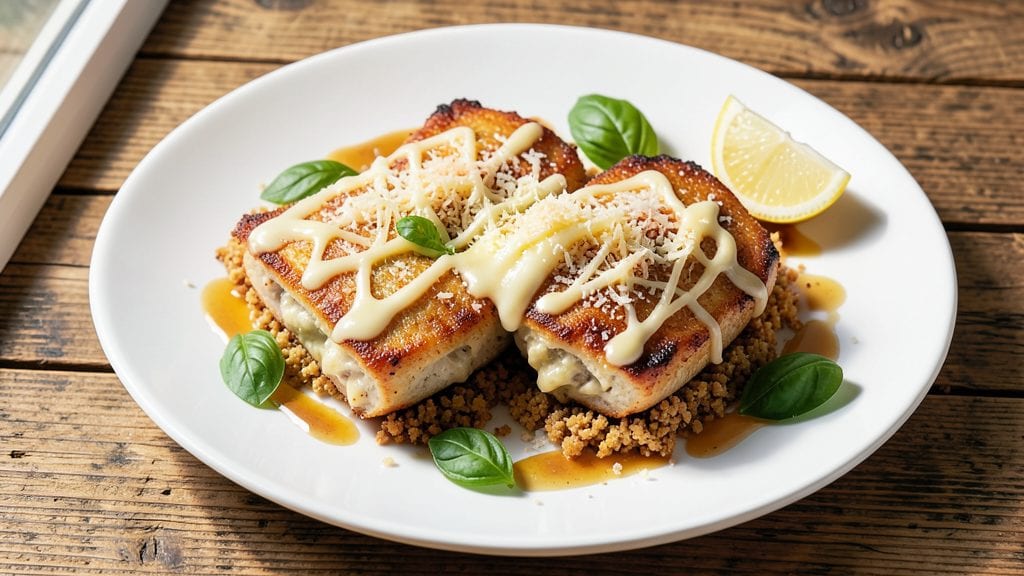
This crispy-breaded cheese cutlet recipe delivers the perfect balance of golden, crunchy exterior and molten, gooey centers every time. The secret lies in thinly pounded veal cutlets, coated in a precise breading sequence, and cooked to precise doneness—just like Milan’s legendary cotoletta alla milanese, but with a modern twist.
I’ve perfected this method after countless test batches, ensuring the cheese inside stays creamy while the crust achieves that satisfying crunch.
The process begins with tenderizing the meat to an even thickness, then coating it in flour, beaten egg, and fine breadcrumbs—each layer essential for that signature texture. For the cheese filling, a blend of mozzarella and parmesan creates the ideal melt, while a touch of cream cheese adds richness.
The cutlets are then fried in hot oil until golden brown, ensuring they stay crispy even when sliced. This isn’t just a snack; it’s a restaurant-quality appetizer that transforms any meal.
What makes these cutlets truly special is their versatility—serve them as a standalone appetizer with marinara sauce for dipping, or pair them with a crisp arugula salad and a bold Chianti for a complete Italian-inspired meal.
The key to success is patience: letting the breading adhere properly and monitoring the frying temperature to avoid soggy results. Once mastered, this recipe becomes a crowd-pleaser for gatherings, game days, or even a fancy weeknight dinner.
For those looking to experiment, try adding a pinch of smoked paprika to the breading for depth or swapping the cheese for a spicy blend like jalapeño cheddar. The possibilities are endless, but the foundation—thin, even cutlets with a flawless crust—remains the same.
Let’s get started on creating these irresistible bites that disappear faster than you can say cotoletta.
Ingredients for cheese cutlet
Thin veal cutlets, three crisp layers, and a gooey cheese blend—this recipe delivers restaurant-style cheese cutlets at home.
| Ingredient | Amount | Notes |
|---|---|---|
| Veal Cutlets 🥩 | 1 ½ lb | Thinly pounded to 1/4-inch thickness |
| All-Purpose Flour 🌾 | 1 cup | Fine white flour for breading |
| Large Eggs 🥚 | 2 whole | Beaten for egg wash |
| Fine Breadcrumbs 🍞 | 1 ½ cups | Panko preferred for extra crunch |
| Mozzarella Cheese 🧀 | 8 oz | Fresh mozzarella, sliced thin |
| Parmesan Cheese 🧀 | ½ cup | Freshly grated from block |
| Cream Cheese 🧈 | 4 oz | Full-fat for creaminess |
| Vegetable Oil 🫒 | 2 cups | For deep frying (350°F) |
| Kosher Salt 🧂 | 1 tsp | For seasoning breadcrumbs |
| Ground Black Pepper 🌶️ | ½ tsp | Freshly ground for flavor |
| Garlic Powder 🧄 | ½ tsp | For breading seasoning |
| Smoked Paprika 🌶️ | ¼ tsp | Optional for depth (omitted for classic) |
| Lemon Wedges 🍋 | 2 whole | For serving (optional) |
| Marinara Sauce 🍅 | 1 cup | For dipping (optional) |
Veal cutlets are non-negotiable for authentic texture—look for thin-cut veal at specialty butchers or pre-sliced packages at Whole Foods or Trader Joe's. If veal isn’t available, chicken breast works but pound it extra thin. The cheese blend is where magic happens: fresh mozzarella (not low-moisture) melts perfectly, while Parmesan adds umami depth. For the breadcrumbs, panko creates superior crunch—don’t substitute regular breadcrumbs unless you’re okay with a softer crust. Season your breadcrumbs well; this is where flavor builds.
No panko? Toasted breadcrumbs (pulse stale bread in a food processor) work in a pinch, though texture won’t be identical. Swapping cheeses? Gruyère or provolone melt beautifully—just reduce to 6 oz total to avoid excess moisture. For the oil, vegetable or canola are neutral choices; avoid olive oil as it burns too easily. The key to crispiness is maintaining 350°F oil temperature—use a thermometer. If you’re short on time, oven-bake at 400°F for 12-15 minutes (spray with oil first) though frying delivers superior results. Always preheat your oil before adding cutlets.
These cutlets stay crispy for 20 minutes post-frying if kept warm in a 200°F oven on a wire rack. For make-ahead prep, assemble uncooked cutlets (flour, egg, breading) and refrigerate for up to 4 hours—bring to room temp before frying. Leftovers? Freeze uncooked cutlets for 2 months—fry straight from frozen, adding 1-2 minutes to cooking time. Serve immediately with lemon wedges to cut through richness and marinara for dipping. The cheese centers remain gooey when sliced fresh—never reheat!
Why You'll Love This Recipe
- Same recipe, different vibes: toss a batch in the oven for a quick family dinner or arrange them on a platter for guests. The breadcrumbs stay crispy whether you serve them fresh or reheat leftovers—no one will guess they’re from last night.
- No-Fuss Assembly: I swear by the three-step method—pound, dredge, bake. No fussy rolling or shaping here; just slap the veal between flour, egg wash, and breadcrumbs, then let the oven do the work. The mozzarella melts into gooey perfection without the risk of a soggy mess.
- Melty Magic Inside: That crispy breadcrumb shell gives way to tender veal and stretchy mozzarella—like a warm hug in bite form. Honestly, the contrast is what makes it ridiculous good. (Yes, even on a Tuesday night.)
- Weeknight to Dinner Party: Same recipe, different vibes: toss a batch in the oven for a quick family dinner or arrange them on a platter for guests. The breadcrumbs stay crispy whether you serve them fresh or reheat leftovers—no one will guess they’re from last night.
Step-by-step instructions for crispy-breaded cheese twists
Here's the precise method to achieve perfect golden-brown crusts and melty, gooey centers every time.
Prepare the Cheese Filling
In a medium bowl, combine the 8 oz mozzarella cheese, 4 oz cream cheese, 0.5 cup parmesan cheese, 0.5 tsp garlic powder, 0.5 tsp ground black pepper, and 1 tsp kosher salt. Use your hands to work the mixture until completely smooth and uniform. The cream cheese should incorporate fully, creating a pliable dough that holds its shape when rolled.
Divide the cheese mixture into 4 equal portions (about 3 ounces each) and flatten each into a 3-inch round using your palms. Place each round between two sheets of plastic wrap and pound gently with a rolling pin to create ¼-inch thick discs. Keep them covered until ready to use to prevent drying. This thickness ensures even cooking and maximum meltiness in the center.
Bread the Veal Cutlets
Set up three shallow bowls: one with the 1 cup all-purpose flour, one with the 2 whole large eggs beaten until frothy, and one with the 1.5 cups fine breadcrumbs mixed with 0.25 tsp smoked paprika (if using). Working with one veal cutlet at a time, dredge it first in the flour, shaking off any excess. Dip into the egg wash, allowing any excess to drip off, then press firmly into the breadcrumb mixture, coating both sides completely.
Place the breaded cutlets on a wire rack set over a baking sheet to catch any excess breading. Repeat with remaining cutlets, working quickly to maintain even breading. Let them rest for 5 minutes before frying. This resting period helps the breading adhere better and prevents the cutlets from falling apart during cooking.
Assemble and Freeze the Cutlets
Take one flattened cheese disc and place it on top of a breaded veal cutlet, centering it completely. Gently press the edges of the veal cutlet up and over the cheese to completely encase it. Use your fingers to create a tight seal around the cheese, ensuring no gaps where filling might escape during frying. Repeat with remaining cutlets and cheese discs.
Transfer the assembled cutlets to a baking sheet lined with parchment paper and freeze for 30 minutes. This freezing step is crucial—it helps the cheese stay firm during frying and prevents premature melting. Once frozen, transfer the cutlets to a resealable plastic bag and return to the freezer until ready to cook.
Fry to Crispy Perfection
In a large, heavy skillet, heat the 2 cups vegetable oil to 350°F using a deep-fry thermometer. Working in batches of 2 cutlets (to avoid overcrowding), carefully lower them into the hot oil using tongs. Fry for 3-4 minutes per side until the breading is deep golden brown and the internal temperature reaches 165°F. The cutlets should float when ready, indicating they're fully cooked through.
Transfer the fried cutlets to a paper towel-lined plate to drain excess oil. Serve immediately with 2 whole lemon wedges for squeezing and the 1 cup marinara sauce for dipping. The contrast of the crispy exterior with the molten cheese center is what makes these cutlets truly exceptional. For best results, keep the cutlets warm in a 200°F oven while frying the remaining batches.
Pro Tips For Making Cheese Cutlet
- Pound Thin, Even Layers: I learned this the hard way—uneven thickness means some parts cook faster and burn while others stay raw. Aim for ¼-inch thickness (about 6mm) and rotate the cutlets 45 degrees between each pound to keep them symmetrical. A meat mallet works best, but a rolling pin in a pinch—just don’t press too hard or you’ll squeeze out the moisture.
- Dry the Veal First: Skipping this step is how you end up with soggy breading. Pat the veal cutlets thoroughly with paper towels before dredging in flour—wet protein = gluey coating. Let them sit uncovered for 5 minutes while you prep the rest; the air dries them further.
- Freeze the Cheese: Mozzarella weeps when fried, turning your golden crust into a sad, greasy mess. Grate it fresh, then spread it on parchment and freeze for 10 minutes before stuffing it into the cutlets. The cold cheese melts slower and stays put—no more cheese slides.
- Fry in Batches, Not Crowds: I was skeptical until I tried it: Overloading the pan drops the temperature, and the breading steams instead of crisps. Use two cutlets max per side in a large, heavy pan (cast iron if you have it). Let them sizzle for 2-3 minutes per side—golden means done, not just brown.
Wine and beer pairings for this cheese cutlet
Italian Red Wine
A bold Chianti Classico or Sangiovese from Tuscany is my go-to pairing for these cutlets. The bright acidity and cherry notes cut through the richness of the fried cheese, while the earthy tannins complement the crispy breading.
Look for a 2018-2020 vintage from Castello di Volpaia—their Riserva level delivers the perfect balance of structure and fruit. Serve slightly chilled (60-65°F) to enhance the wine’s freshness against the warm cutlets. 🍷
Crisp White Options
For a lighter approach, a dry Vermentino from Sardinia or a Pinot Grigio from Alto Adige provides refreshing contrast. The citrus and mineral notes in these wines cleanse your palate between bites, making each crispy-cheesy mouthful feel lighter.
I recommend Santa Maria La Palma Vermentino—its crisp acidity stands up to the fried richness without overpowering. Chill to 45-50°F for optimal enjoyment. ✨
Beer Pairings
A crisp Italian lager like Peroni or Moretti is ideal for balancing the fried texture and cheesy filling. The effervescence helps cut through the richness, while the subtle malt sweetness complements the breading.
For craft beer lovers, a Belgian witbier with its coriander and citrus notes adds an unexpected but delightful contrast. Avoid heavy stouts—they’ll clash with the delicate cheese flavors. 🍺
Cocktail Complements
For a festive touch, serve these cutlets with a Aperol Spritz or Negroni Sbagliato. The bittersweet Aperol in the Spritz enhances the cheese’s richness, while the Prosecco’s bubbles mirror the cutlets’ crispy texture.
The Sbagliato’s lighter touch (Prosecco + Campari + sweet vermouth) keeps the meal feeling fresh and lively. Garnish with an orange twist to elevate the presentation. 🍹
Non-Alcoholic Pairings
Don’t overlook sparkling water with a splash of blood orange juice—the effervescence and citrus notes create a refreshing contrast to the fried richness. For something bolder, try a ginger beer with a squeeze of lemon; the spicy kick balances the cheese’s creaminess.
A sparkling apple cider (like Martinelli’s) adds a festive touch without alcohol. 💫
Nutrition facts
Frequently asked questions
Can I use chicken instead of veal for this recipe?
Chicken breast works perfectly, but you'll need to pound it extra thin (about ⅛-inch) to ensure even cooking. Veal is more tender, so chicken may require 1-2 extra minutes per side to reach 165°F internally. For best results, use boneless, skinless breasts and avoid thick edges.
How do I prevent the cheese from leaking during frying?
Seal the cheese tightly inside the cutlet by pressing the veal edges firmly around the cheese disc. Freeze the assembled cutlets for 30 minutes before frying—this firms up the cheese and prevents premature melting. Use a slotted spoon to remove them from the oil quickly to maintain the seal.
What's the best way to reheat leftover cheese cutlets?
Reheating is tricky—these cutlets are best served fresh. If you must, place them in a 350°F oven for 5-7 minutes on a wire rack (no covering) to restore crispiness. For leftovers, consider prepping uncooked cutlets ahead and freezing them—fry straight from frozen (add 1 minute per side).
Can I make these cutlets ahead of time?
Yes! Assemble the cutlets (flour, egg, breading, and cheese) up to 4 hours ahead and refrigerate. Freeze them for 2 months if storing longer. Always bring frozen cutlets to room temperature before frying for even cooking. Never freeze already-cooked cutlets—they'll lose their crispiness.
What cheese substitutes work best?
For a classic flavor, use Gruyère or provolone (reduce to 6 oz total to avoid excess moisture). For spicy kick, try jalapeño cheddar (add ½ tsp cayenne to the breading). Avoid pre-shredded cheese—it contains anti-caking agents that prevent proper melting.