
Breakfast & Brunch
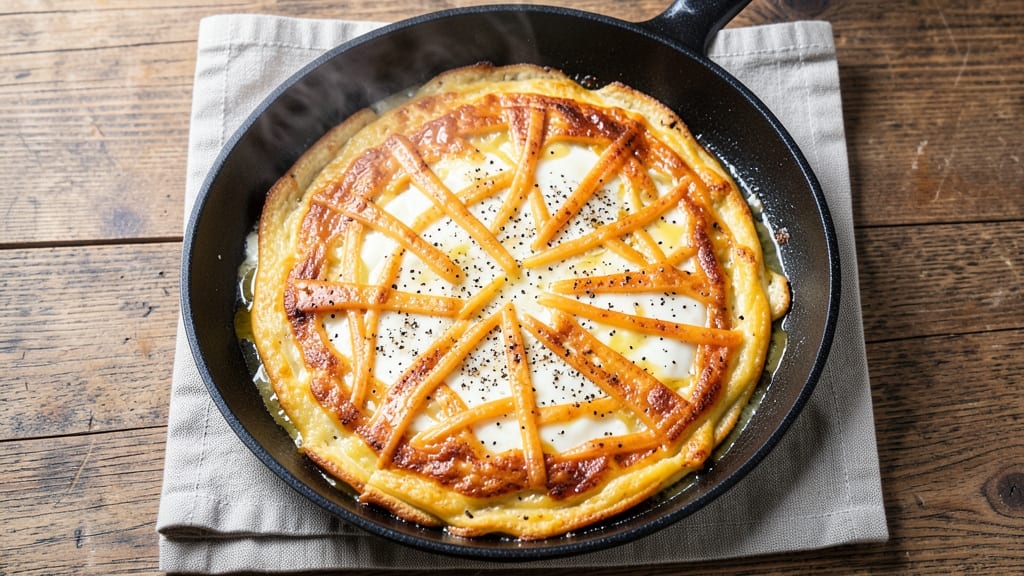
A basic cheese omelette transforms a simple breakfast into a restaurant-worthy dish with just a few key techniques. The secret lies in gentle heat and precise timing—whisking eggs to ribbons and folding them into layers of melted cheese that create that signature creamy texture.
I’ve perfected this method after years of trial and error, and it’s the one I turn to for quick yet impressive mornings.
This recipe delivers fluffy layers without requiring advanced skills—just a nonstick pan, medium heat, and a light hand. The cheese melts evenly, creating pockets of gooey goodness while the eggs remain tender, not rubbery.
It’s the kind of dish that proves breakfast can be both satisfying and effortless when done right.
What you’ll end up with is a golden, perfectly folded omelette that holds its shape when flipped, with melted cheese that stretches into silky strands at every bite.
The aroma alone—warm eggs, melted cheese, and a hint of butter—will have everyone at the table asking for seconds. It’s simple, but never boring.
Ready in just 5 minutes, this omelette is perfect for weekdays or weekend brunches. Serve with toast or fresh fruit for a complete meal. Here’s how to make it—step by step, without the guesswork.
Ingredients for basic cheese omelette
Eight simple ingredients create the perfect fluffy, cheesy omelette every time.
| Ingredient | Amount | Notes |
|---|---|---|
| Large Eggs 🥚 | 4 whole | Room temperature for even cooking |
| Unsalted Butter 🧈 | 1 tbsp | European-style preferred for flavor |
| Shredded Sharp Cheddar Cheese 🧀 | ½ cup | Freshly grated for best melt |
| Milk 🥛 | 2 tbsp | Whole milk for creaminess |
| Salt 🧂 | ¼ tsp | Fine sea salt preferred |
| Freshly Ground Black Pepper 🌶️ | ⅛ tsp | Adjust to taste |
| Nonstick Cooking Spray 🫧 | 1 spray | For pan coating |
| Fresh Chives 🌿 | 2 tbsp | Chopped, for garnish |
The eggs are the star—room temperature makes all the difference. Grab a carton labeled 'large' (they're consistent), and if you can, Kirkland Signature or Vital Farms are my go-tos for the best texture. The butter? European-style melts cleaner and adds more flavor than regular butter. I always buy a small tub from Whole Foods or Trader Joe's—it's worth the splurge for this dish. For the cheese, sharp cheddar melts best, but Monterey Jack or pepper jack work too if you're feeling adventurous. Just make sure it's freshly grated—pre-shredded gets gummy when melted.
No sharp cheddar? Gruyère or Swiss add a nice depth. Running low on milk? Heavy cream or even water will work in a pinch, but the milk helps create those signature fluffy layers. The cooking spray is non-negotiable—Misto brand is my favorite, but any nonstick spray works. Fresh chives are ideal, but dried chives or parsley at half the amount will do if you're out. Pro tip: Whisk your eggs until ribbons form—that's how you get the fluffiness. And don't skip the milk; it's what makes this omelette restaurant-quality.
Eggs keep best in the fridge for 3 weeks after purchase. Once whisked, use within 2 hours for the best texture. The shredded cheese? Store it in an airtight container with a paper towel to absorb moisture—keeps for 1 month in the fridge. This omelette reheats beautifully—just 20 seconds in the microwave with a damp paper towel over it. Leftovers? Wrap tightly and they'll stay fresh for 2 days. I always make an extra one for lunch the next day—it's that good.
Why You'll Love This Recipe
- Five-Ingredient Magic: I swear by this list—eggs, butter, cheese, milk, salt. That’s it. No shopping list panic, no forgotten herbs, just pure, reliable breakfast.
- Sharp Cheese Bliss: The moment that cheddar melts into a gooey blanket? Chef’s kiss. Sharp chedddar adds that tangy punch while keeping it simple—no fancy seasoning needed.
- Breakfast or Brunch Fix: Scrambled for a lazy Sunday, folded for a quick office lunch, or stuffed with extra cheese for a late-night snack. It adapts without effort.
- Budget Breakfast Hero: Eggs and cheese stretch for days. Make four, reheat two, and still have leftovers for when you forget to eat. My wallet thanks me every time.
Instructions for fluffy cheese omelettes
Here's how to make perfectly fluffy, cheesy omelettes with layers that melt just right.
Whisk Eggs and Milk Together
Crack all 4 whole large eggs into a medium bowl and add the 2 tablespoons milk. Using a fork or whisk, beat the mixture vigorously for about 30 seconds until the yolks and whites are fully combined. This step ensures even cooking and a light texture.
Next, add the 0.25 teaspoon salt and 0.125 teaspoon freshly ground black pepper. Stir gently to incorporate, being careful not to create too many bubbles at this stage. The eggs should look uniform in color with no visible streaks of white or yolk.
Here's the thing—room temperature eggs whip up better and cook more evenly. If your eggs are straight from the fridge, let them sit out for about 15 minutes before starting. Cold eggs tend to create denser omelettes that don't get as fluffy.
Prepare the Pan for Cooking
Heat an 8-inch nonstick skillet over medium-low heat until it's just warm to the touch. Then give it a quick spray with the nonstick cooking spray and wipe it out with a paper towel to ensure even coverage. The pan should be hot enough to sizzle when you add the butter, but not smoking.
Add the 1 tablespoon unsalted butter to the pan and let it melt completely, swirling to coat the bottom evenly. You'll know it's ready when the butter stops bubbling vigorously and just gently foams. This butter layer creates the perfect nonstick surface for your omelette.
Don't walk away—keep an eye on the butter as it can burn quickly. If you see any brown spots forming, reduce the heat slightly. The butter should be melted but not browned when you're ready to add the egg mixture.
Cook the Omelette Layers
Pour the egg mixture into the prepared skillet, tilting the pan slightly to spread it evenly. Let it cook undisturbed for about 2 minutes until the edges begin to set and the top still looks slightly wet in the center. You'll see small bubbles forming on the surface—that's your signal it's time to act.
Using a heatproof spatula, gently push the cooked edges toward the center, tilting the pan to let the uncooked egg flow to the edges. Sprinkle half of the 0.5 cup shredded sharp cheddar cheese evenly over the uncooked portion. This creates those beautiful melted cheese layers we're after.
Cook for another 30 seconds to 1 minute until the cheese begins to melt and the bottom is golden brown. The center should still look slightly runny—this ensures a creamy texture when it folds.
Fold and Finish the Omelette
When the cheese is mostly melted and the omelette is about 75% cooked, fold it in half by bringing one side over the other. Press down gently with the spatula to help it hold its shape. Cook for another 30 seconds to 1 minute until the outside is golden and the cheese is fully melted.
Remove the omelette from the pan and transfer it to a warm plate. Let it rest for about 1 minute before slicing into two equal portions. This resting time helps the cheese set slightly so it doesn't all run out when you cut into it.
Here's where it gets fun—garnish each portion with 1 tablespoon chopped fresh chives. The bright color and fresh flavor contrast beautifully with the rich cheddar and fluffy eggs. Serve immediately while the cheese is still warm and gooey.
Repeat for Second Omelette
Clean the pan quickly with a paper towel to remove any cheese residue, then repeat the process with the remaining egg mixture and cheese. The key to success is keeping the pan at a consistent medium-low heat throughout both omelettes. If the pan gets too hot after the first one, let it cool slightly before starting the second.
I know it seems like a lot of steps, but trust me—once you get the rhythm down, you can make these in about 10 minutes total. The secret to perfect omelettes is low and slow cooking with gentle folding. Don't rush it, and you'll get that restaurant-quality texture every time.
Pro Tips For Making Basic Cheese Omelette
- CRANK THE HEAT HIGH: That first 30 seconds on medium-low is where omelettes fail. I learned this the hard way—my first batch turned into a sad, rubbery pancake. Use high heat to get the butter foaming immediately, then lower it once the eggs hit the pan. The edges set fast, and the cheese melts cleanly instead of steaming into a greasy mess.
- SALT THE EGGS BEFORE WHISKING: Toss in that pinch of salt right after cracking the eggs, not after adding milk. I used to wait, and the salt would just sit at the bottom of the bowl. Salt dissolves better in raw eggs, so the flavor’s even throughout—no salty surprises when you fold.
- STOP WHEN IT’S 80% DONE: The second you see the top set but still looks slightly wet, pull it. I used to wait for "fully cooked," and the omelette would turn dense and chewy. Sharp cheddar needs that last bit of residual heat to melt perfectly when you fold. Cover with a plate for 30 seconds—it finishes faster than you think.
- USE COLD SHREDDED CHEESE: Straight from the fridge, not pre-warmed. I was skeptical until I tried it—cold cheese melts smoother and doesn’t turn greasy or clump into a single glob. Sprinkle it after the eggs are mostly set, so it doesn’t soak up moisture and get limp. (Yes, even if you’re impatient like me.)
Wine and beer pairings for this recipe
Light White Wine
A crisp Sauvignon Blanc from the Loire Valley is my go-to pairing for this omelette—its bright acidity cuts through the richness of the cheese while complementing the eggs’ delicate flavor.
Look for a bottle with notes of citrus and green apple, like Oyster Bay or Kim Crawford. The wine’s refreshing finish balances the buttery, cheesy layers perfectly. 🍷
Crisp Lager
For a non-alcoholic option, a Belgian-style witbier like Hoegaarden adds a refreshing contrast. The coriander and orange peel notes in the beer brighten the dish without overpowering it. If you prefer a classic lager, try a German Pilsner—its clean, crisp profile keeps the omelette’s flavors shining. 🍺
Sparkling Wine
If you want to elevate your brunch, a chilled Prosecco or Cava adds a celebratory touch. The bubbles cleanse your palate between bites, making each mouthful of melted cheese feel fresh.
I love pairing it with a dry sparkling wine—avoid sweet varieties, as they’ll clash with the savory eggs. ✨
Coffee Pairing
For a morning boost, serve your omelette with a medium-roast coffee brewed with light French roast beans. The nutty, slightly bitter notes of the coffee complement the buttery richness of the omelette. A splash of whole milk in your coffee enhances the pairing even more. ☕
Avoid Heavy Wines
Skip bold reds like Cabernet Sauvignon or heavy whites like Chardonnay—they’ll overpower the delicate flavors. Even a Pinot Noir might be too strong. The key is to match the light, airy texture of the omelette with equally light, crisp beverages. 🚫
Nutrition facts
Frequently asked questions
Why does my cheese omelette turn out rubbery instead of fluffy?
Overcooking or high heat causes rubbery omelettes. Keep the pan on medium-low heat and cook just until the edges set (2-3 minutes). The center should still look slightly wet when you fold it. Also, whisk the eggs vigorously until they form ribbons for that signature fluffiness.
Can I make this recipe with just eggs and cheese?
Yes, but the milk creates those signature fluffy layers. For a minimalist version, use 2 tablespoons of milk or water per 2 eggs. The texture won't be as light, but it'll still be delicious. For extra richness, add 1 tablespoon of cream instead.
What's the best way to reheat leftover cheese omelettes?
Microwave for 20-30 seconds with a damp paper towel over the top to prevent drying. For a crispier texture, reheat in a skillet over low heat for 1-2 minutes per side. Never reheat in a dry pan—it'll turn rubbery.
How do I adjust this recipe for one person?
Halve all ingredients: 2 eggs, 0.5 tablespoon butter, 0.25 cup cheese, and 1 tablespoon milk. Cook in a 6-inch pan instead of 8-inch for better control. The technique stays the same—just scale down everything.
Can I use pre-shredded cheese instead of freshly grated?
Pre-shredded cheese works, but it often contains anti-caking agents that make it gummy when melted. If using it, pat the cheese dry with a paper towel first to remove excess moisture. For best results, always grate your own cheese.