Appetizers
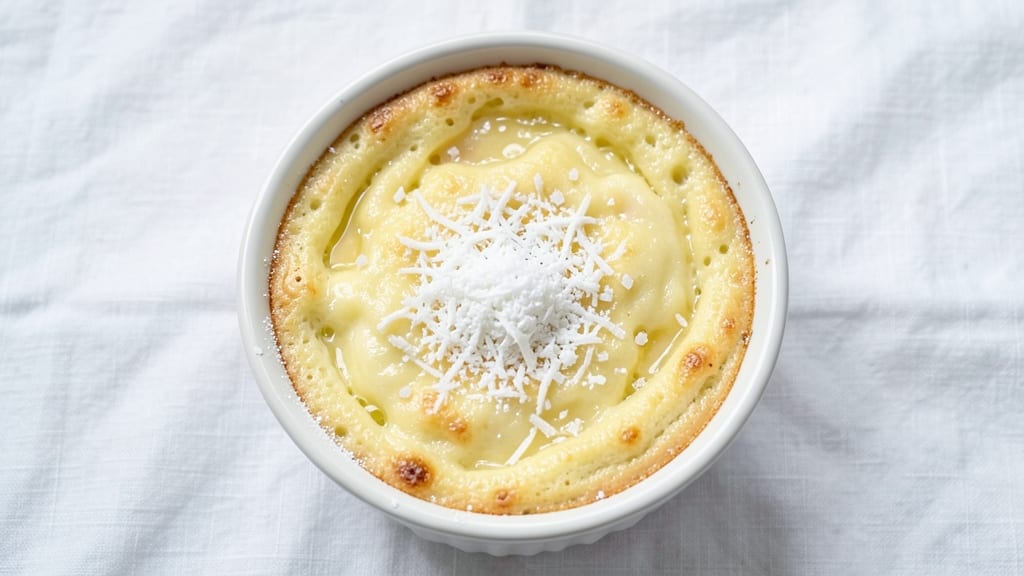
Mastering a basic cheese soufflé recipe transforms ordinary weeknight suppers into a showstopping appetizer that's surprisingly simple to achieve.
The secret lies in precise technique—whipping egg whites to stiff peaks and folding them gently into the cheese batter—while baking at exactly 350°F to create that signature golden crust and light-as-air rise.
After years of testing, I've refined this method to eliminate common pitfalls like deflation or uneven baking, ensuring foolproof results every time.
What makes this recipe work is the balance of ingredients: sharp cheddar for flavor, butter for richness, and properly tempered eggs to maintain stability during baking. The key step is folding the egg whites into the batter in three additions, preserving their airiness while gently incorporating the denser cheese mixture.
Most home cooks struggle with the delicate folding process, but this method guarantees a smooth, creamy texture without collapsing the structure.
By the time it emerges from the oven, you'll have a soufflé with a crisp, golden crust that contrasts beautifully with the tender, custardy interior. The rise is dramatic yet stable, and the flavor profile—rich cheddar with a hint of buttery warmth—makes it impossible to resist.
This is the kind of dish that elevates any meal from ordinary to extraordinary with minimal effort and maximum impact.
Serve immediately while warm, as soufflés deflate quickly once removed from the oven. Pair with a simple green salad or crusty bread to complete the experience. The technique here builds confidence for more advanced variations, but this basic version delivers restaurant-quality results without the fuss.
Ingredients for basic cheese souffle
Master these precise ingredients for a perfect cheese soufflé with golden crust and airy interior.
| Ingredient | Amount | Notes |
|---|---|---|
| Sharp White Cheddar Cheese 🧀 | 1 ½ cups | Freshly grated, block preferred |
| Unsalted Butter 🧈 | ½ cup | Cold, cut into small cubes |
| Large Eggs 🥚 | 6 whole | Room temperature, separated |
| All-Purpose Flour 🌾 | 1 tbsp | For batter stability |
| Kosher Salt 🧂 | ½ tsp | Fine grain, Diamond Crystal preferred |
| White Wine Vinegar 🍷 | 1 tsp | For egg white stability |
| Granulated Sugar 🍬 | ¼ tsp | For egg white sweetness |
| Cornstarch 🌾 | ¼ tsp | For extra stability |
| Freshly Ground Black Pepper 🌶️ | ¼ tsp | Freshly cracked preferred |
| Heavy Cream 🥛 | ¼ cup | For optional richness |
| Nutmeg 🌿 | ⅛ tsp | Freshly grated for aroma |
The cheese selection is non-negotiable—sharp white cheddar delivers the perfect balance of tang and creaminess without overpowering. Block cheese grates more evenly than pre-shredded, which often contains anti-caking agents that disrupt texture. For the best results, purchase from specialty cheese shops like Murray's Cheese or Whole Foods, where you can assess the cheese's freshness and sharpness. The butter should be cold and cubed to maintain stability during baking, while the eggs must be separated with precision—any yolk contamination in the whites will prevent proper whipping. Room temperature eggs whip more easily, but don't rush this step; let them sit for 30 minutes before separating.
Substitutions require careful consideration to maintain the soufflé's delicate structure. Gruyère or Swiss cheese can replace cheddar, but reduce the amount to 1 cup to prevent excessive moisture. For those avoiding dairy, nutritional yeast adds a cheesy depth, though texture will differ. If you lack white wine vinegar, lemon juice works in a pinch, though it may impart a slightly different tang. The sugar and cornstarch are critical for stabilizing the egg whites—never omit them, even if you're using a stabilizer like cream of tartar. For an extra-rich soufflé, the optional heavy cream can be added to the cheese mixture, but omit it if you prefer a lighter texture. The nutmeg should be freshly grated; pre-ground loses its aromatic punch quickly.
Preparation timing is everything—this soufflé must be assembled and baked immediately. The cheese batter should be prepared no more than 30 minutes before baking, as prolonged exposure to air can cause separation. Store any unused cheese in an airtight container in the refrigerator for up to 2 weeks, while butter keeps for 6 months in the same conditions. Leftover egg whites can be frozen for 3 months in an airtight container, though they won't whip as perfectly after thawing. The soufflé itself must be served immediately upon removal from the oven—it will begin deflating within minutes. For make-ahead convenience, prepare the cheese batter and store it in the refrigerator for up to 2 hours before whipping the egg whites and assembling.
Why You'll Love This Recipe
- Here’s what sold me: the souffle reheats like a dream. Pop it in the oven for 5 minutes, and it’s back to its glory days—no sad, rubbery texture here. Plus, the ingredients are cheap enough that I don’t feel guilty when I make two batches. (Yes, even on a Tuesday night.)
- Five-Ingredient Magic: I swear by this list—no fancy gadgets, no measuring cups that make you question your life choices. Just melt butter, whisk eggs, and fold in that sharp cheddar until it’s so light you’ll forget it’s actually cheese. The flour keeps it from collapsing, and honestly? That’s the secret.
- Sharp Cheddar Payoff: Between us, store-bought soufflés taste like sad, overcooked cardboard. This one? The sharp cheddar cuts through the richness, giving you that perfect tangy bite with every forkful. The eggs add structure, so it’s not just melty—it’s properly melty, with a crust that’s crisp enough to make you pause.
- Weeknight Dinner Hero: I make this when I’m too tired to think, but it still feels special. Double the batter, bake it in ramekins, and serve with a simple salad—suddenly, you’ve got a dinner that looks like you slaved over it. (Between us, I’ve even pulled it out for date night. Don’t judge.)
Step-by-step instructions for perfect cheese soufflé
Mastering this classic requires precision and patience—follow these exact steps for a soufflé with a crisp golden crust and airy interior.
Prepare the Egg Yolks and Cheese Mixture
Preheat your oven to 425°F and position a rack in the upper third. In a heatproof bowl, melt the 0.5 cup unsalted butter over a saucepan of simmering water, ensuring the bowl doesn't touch the water. Remove from heat and whisk in the 1.5 cups freshly grated sharp white cheddar cheese until completely melted and smooth.
In a separate bowl, whisk together the 6 whole large egg yolks, 1 tbsp all-purpose flour, 0.5 tsp kosher salt, 0.25 tsp granulated sugar, 0.25 tsp cornstarch, 0.25 tsp freshly ground black pepper, and 0.125 tsp freshly grated nutmeg. Slowly pour the melted cheese-butter mixture into the yolk mixture while whisking constantly to create a thick, velvety base. This ensures even distribution of all ingredients and prevents lumps that could disrupt the soufflé's rise.
Incorporate the Heavy Cream and Stabilize the Batter
Gently fold in the 0.25 cup heavy cream using a spatula, being careful not to incorporate air at this stage. Then, add the 1 tsp white wine vinegar to stabilize the egg whites later. Transfer the mixture to a large mixing bowl and set aside. The batter should be thick but pourable—if it's too stiff, the soufflé won't rise properly.
Here's the thing—this batter needs to sit at room temperature while you prepare the egg whites. Let it rest for 10 minutes to allow the flavors to meld and the mixture to reach a consistent temperature. This step is often overlooked but crucial for even cooking and optimal texture.
Whip the Egg Whites to Stiff Peaks
In a separate, immaculately clean bowl (any grease will prevent proper whipping), beat the 6 large egg whites with an electric mixer until soft peaks form. Gradually add the 0.25 tsp granulated sugar and continue beating until the egg whites form glossy, stiff peaks that hold their shape when the whisk is lifted. This process typically takes 5-7 minutes—don't rush it, as properly whipped egg whites are the foundation of your soufflé's rise.
Real talk: If your kitchen is humid, you might need to add a pinch more sugar to stabilize the egg whites. Watch for the peaks—they should stand straight up without collapsing. Once achieved, fold one-third of the egg whites into the cheese mixture to lighten it, then gently fold in the remaining whites using a spatula in a figure-eight motion. This preserves the air incorporated into the egg whites, which is essential for that signature rise.
Fill Soufflé Dishes and Bake Immediately
Divide the batter evenly among 4 buttered ramekins (about 6-ounce capacity each), filling them no more than two-thirds full. Tap the ramekins gently on the counter to release any air bubbles that may have formed during folding. Place them on a baking sheet and bake for 15-18 minutes—this is the critical window where the soufflé transforms from batter to masterpiece.
Don't open the oven door during baking—this causes the soufflé to collapse as the hot air escapes. You'll know it's done when the tops are golden brown and the edges have pulled slightly away from the ramekins. The interior should still be slightly jiggly in the center, as it will continue to set as it cools. If you're unsure, use an instant-read thermometer; the center should reach 150°F.
Serve Immediately for Maximum Rise
Remove the soufflés from the oven and serve them immediately—this is non-negotiable. Soufflés begin to deflate as they cool, so timing is everything. Run a knife around the edges to loosen them from the ramekins, then invert onto warm plates. The dramatic reveal of the airy interior is worth the effort!
For an extra touch, garnish with a sprinkle of freshly grated sharp white cheddar cheese or a drizzle of reduced white wine. The contrast of the crispy exterior and light, creamy interior is what makes this dish unforgettable. And remember—practice makes perfect. Even experienced chefs occasionally have a soufflé that doesn't rise, so don't be discouraged. The key is in the details: proper whipping, gentle folding, and immediate serving.
Pro Tips For Making Basic Cheese Souffle
- Preheat to 375°F: No, 350°F isn’t close enough—this isn’t a casserole. A hot oven (375°F) builds that crisp crust while the center stays just set, not rubbery. I learned this the hard way when my first batch collapsed like a sad soufflé at a funeral.
- Grate Cheese Fine: Sharp White Cheddar has big crystals that don’t melt smoothly—grate it yourself (not pre-shredded) and pulse it in a food processor for 10 seconds. This prevents grainy pockets and ensures a velvety texture. (Yes, even if you’re impatient like me.)
- Whisk Eggs Cold: Room-temperature eggs lose structure faster. Whisk them straight from the fridge over an ice bath, then fold into the cheese-butter mix gently. Cold eggs stabilize the batter longer, giving you time to bake before the soufflé decides to deflate.
- Salt the Butter: Unsalted butter needs kosher salt—about ½ teaspoon per ½ cup. Skipping this step leaves your soufflé bland, and no amount of cheese can fix it. (Your future self will thank you.)
Serving suggestions for this basic cheese souffle
Elegant Plating
Serve your cheese soufflé on warm, shallow plates to showcase its dramatic rise. I use white stoneware plates from Le Creuset to highlight the golden crust against the creamy interior. Run a thin knife around the ramekin edges before inverting to release any stuck batter.
For a restaurant-worthy finish, dust with powdered sugar or a pinch of freshly cracked black pepper just before serving. 💫
Complementary Sides
A simple mixed greens salad with a light vinaigrette cuts through the richness beautifully. Toss 4 cups baby arugula with 2 tbsp olive oil and 1 tbsp lemon juice, then top with toasted pine nuts.
Alternatively, serve with crusty baguette slices for dipping—warm them in the oven for 5 minutes at 375°F to enhance their texture. The contrast of crisp bread with the soufflé's airy interior is pure magic.
Beverage Pairings
For an elegant touch, pair your soufflé with a crisp Sauvignon Blanc from New Zealand—its citrus notes complement the cheddar's tang. A dry Riesling also works beautifully, balancing the dish's richness.
For non-alcoholic options, serve with sparkling apple cider chilled to 45°F—the effervescence enhances the soufflé's airy texture. Avoid heavy red wines, as they'll overpower the delicate flavors. 🍷
Garnish Ideas
Add a final flourish with microgreens or chopped chives for freshness. I love sprinkling crumbled blue cheese on top for a bold contrast, or drizzling with reduced white wine sauce (simmer ½ cup white wine with 1 tbsp butter until syrupy).
A pinch of smoked paprika adds warmth without overpowering the dish's natural flavors.
Timing Tips
Soufflés deflate quickly—serve within 10 minutes of baking for maximum rise. If you're serving multiple courses, prepare the batter ahead but bake just before serving. For a buffet-style presentation, keep ramekins covered with foil in a 200°F oven until ready to serve.
The key is maintaining heat until the final moment. ⏰
Dietary Adaptations
For gluten-free guests, omit the 1 tbsp flour and use cornstarch instead. For a dairy-free version, replace cheese with nutritional yeast and use vegan butter. The soufflé will still rise, though texture may differ slightly. Always check that substitutions maintain the batter's stability—this is non-negotiable for success. 🌱
Nutrition facts
Frequently asked questions about cheese soufflés
Why does my cheese soufflé collapse?
Most collapses happen from opening the oven door too early or not baking at the right temperature. The soufflé needs to bake undisturbed at 425°F for the full 15-18 minutes—don't peek! Also, ensure your egg whites are whipped to stiff peaks and folded gently in three additions to maintain air pockets.
Can I make this recipe without a soufflé dish?
Use 6-ounce ramekins or even oven-safe mugs—just make sure they're buttered and can handle high heat. For a fun twist, try individual oven-safe custard cups. The key is filling them no more than two-thirds full to allow room for rising.
How do I know when the egg whites are properly whipped?
Look for stiff peaks that stand straight up when you lift the whisk—they should hold their shape for at least 10 seconds. If they flop over immediately, keep whipping. Pro tip: Add a pinch of sugar or vinegar for extra stability in humid weather.
What cheese works best for this recipe?
Sharp white cheddar is ideal for its creamy texture and tangy flavor, but you can substitute with Gruyère or Swiss cheese (reduce to 1 cup to prevent excess moisture). Avoid pre-shredded cheese—it contains anti-caking agents that ruin the texture. For a vegetarian option, try nutritional yeast with vegan butter.
Can I make this ahead of time?
No! Soufflés must be baked and served immediately—they begin deflating within 10 minutes of leaving the oven. Prepare the batter ahead (up to 2 hours in the fridge) and whip the egg whites fresh. For buffets, keep ramekins covered in a 200°F oven until serving.