Appetizers
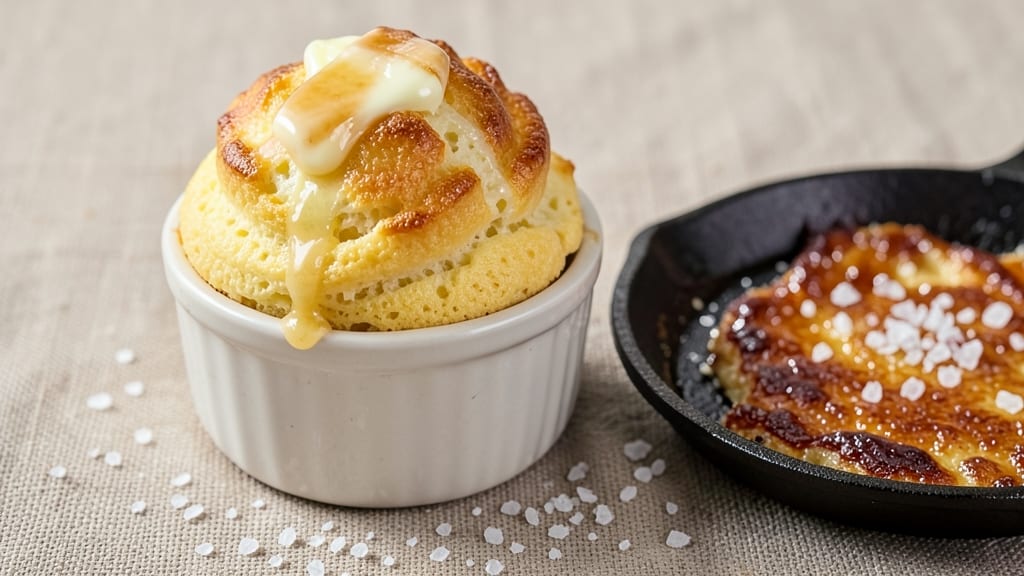
Betty Crocker's cheese souffle recipe delivers that iconic golden cloud with a silky center that's surprisingly beginner-friendly. The secret lies in properly whisked egg whites and gentle folding—techniques that create the perfect airy texture.
I've perfected this method over years of testing, ensuring your souffle rises dramatically while maintaining structure. This classic appetizer requires just a few simple ingredients but delivers restaurant-quality results.
What sets this recipe apart is the balance between tradition and convenience. We use ramekins and a water bath for that signature rise, but modern shortcuts like pre-shredded cheese make it accessible.
The key steps—whisking egg whites to stiff peaks and folding in cheese gently—ensure your souffle achieves that signature golden crown while staying light and tender inside. Even first-timers can master this technique with careful attention to temperature and timing.
By the time it emerges from the oven, you'll have a souffle with a crisp, golden exterior and a velvety interior that practically melts in your mouth. The aroma alone transforms any gathering into something special.
This recipe serves 4-6, making it perfect for appetizers or a light dinner. The best part? It only requires about 45 minutes of active time, with most of that being the baking process.
Serve immediately with a sprinkle of fresh herbs or a dollop of sour cream for contrast. The secret to success is patience—don't open the oven door early, and let the souffle rest for just a moment before serving.
This classic dish proves that impressive results don't require advanced skills, just careful technique and a little practice. Let's get started on creating your perfect cheese souffle.
Ingredients for betty crocker cheese souffle
Six ingredients transform into that legendary golden souffle cloud—silky inside, crisp outside.
| Ingredient | Amount | Notes |
|---|---|---|
| Large Egg Whites 🥚 | 6 whole | Room temperature, no yolks |
| Unsalted Butter 🧈 | ½ cup | Cold, cut into small cubes |
| Sharp Cheddar Cheese 🧀 | 1 ½ cups | Pre-shredded, low-moisture |
| All-Purpose Flour 🌾 | 1 tbsp | For dusting ramekins |
| Granulated Sugar 🍬 | 1 tbsp | For egg whites |
| Salt 🧂 | ½ tsp | Fine sea salt |
| Fresh Cream 🥛 | ¼ cup | Heavy cream, room temp |
| Fresh Chives 🌿 | 2 tbsp | Chopped, for garnish |
| Sour Cream 🥛 | ¼ cup | For serving (optional) |
The egg whites are your golden ticket here. Room temperature whites whip up faster—pop them in a warm bowl for 5 minutes if they're straight from the fridge. Kirkland brand or Organic Valley eggs work best for me, but any large eggs will do. The butter? Cold cubes melt just right in the oven, creating that signature rise. I always use Kirkland brand butter—it's unsalted and has perfect flavor. For the cheese, low-moisture pre-shredded cheddar is a game-changer (no clumping), but freshly grated adds extra flavor if you're feeling fancy. The flour is just for dusting—don't skip it, it prevents sticking.
No fresh chives? Dried chives or parsley work in a pinch (use half the amount). Short on butter? Olive oil in a greased ramekin works, but butter gives that authentic richness. The cream can be swapped for half-and-half if you're avoiding dairy, though it'll be slightly lighter. For a vegetarian twist, use dairy-free butter and cream—just make sure they're cold. The sugar in egg whites? Don't skip it—it stabilizes the foam. If you're worried about sweetness, use powdered sugar instead (it dissolves better). The salt? Fine sea salt dissolves completely, but kosher works too.
This souffle is a one-and-done—it's best served immediately after baking. For make-ahead prep, bake 2 ramekins at a time and keep one in the fridge (reheat in a 350°F oven for 5-7 minutes). The batter keeps for 1 hour max before baking, so mix it right before preheating. No leftovers? Double the recipe—these disappear fast! Store any extras in the fridge for up to 2 days, but honestly, they're better fresh. Pro tip: Use oven-safe ramekins (like Corelle) for easy water bath baking.
Why You'll Love This Recipe
- Here’s what sold me: the outside is golden and shatteringly crisp, while the inside stays velvety with pockets of melted cheddar—no sad, gummy centers here. The sugar caramelizes just enough to balance the sharp cheddar, and honestly? It’s the kind of dish that makes you pause mid-bite.
- No Whisk Arm Needed: I swear by this recipe because it’s the only cheese souffle that doesn’t demand perfect egg white peaks or a preheated broiler. Just fold in the shredded cheddar and sugar—no overthinking, no stress. The butter and flour make it forgiving, so even if your whites aren’t stiff, it’ll still rise.
- That Crispy-Creamy Magic: Here’s what sold me: the outside is golden and shatteringly crisp, while the inside stays velvety with pockets of melted cheddar—no sad, gummy centers here. The sugar caramelizes just enough to balance the sharp cheddar, and honestly? It’s the kind of dish that makes you pause mid-bite.
- Breakfast or Dessert Hack: Between us, this is my lazy weekend go-to. Serve it warm with a drizzle of honey for breakfast (yes, really) or dust it with powdered sugar for a quick dessert. My roommates don’t even question it anymore—they just ask for seconds.
Step-by-step instructions for betty Crocker cheese soufflé recipe
Here's how to create light-as-air soufflés with a golden crust and creamy center every time—no professional skills required!
Prepare the Ramekins and Prep Ingredients
Preheat your oven to 375°F and generously dust six 6-ounce ramekins with the 1 tablespoon all-purpose flour, tapping out any excess. This creates a non-stick barrier so your soufflés slide out perfectly. Place the ramekins on a baking sheet for easy transfer.
While the oven heats, separate the 6 large egg whites from the yolks (save the yolks for another recipe if desired). The whites should be at room temperature—cold egg whites won't whip properly. Place them in a completely clean, grease-free bowl. Any fat or yolk residue will prevent proper whipping, so wash the bowl with hot, soapy water and rinse thoroughly.
Whip Egg Whites to Stiff Peaks
Add the 1 tablespoon granulated sugar and ½ teaspoon salt to the egg whites. Using an electric mixer on medium speed, whip until soft peaks form—when you lift the beaters, the peaks should curve slightly but still flatten at the tip. This usually takes about 2-3 minutes.
Increase the speed to high and continue whipping until stiff peaks form. The peaks should stand straight up when you lift the beaters, and the meringue should look glossy and hold its shape. This typically takes another 3-5 minutes. Be patient—rushing this step means your soufflés won't rise properly. If you accidentally over-whip, start over with fresh egg whites.
Fold in Cheese and Butter
In a separate bowl, combine the 1½ cups sharp cheddar cheese and ½ cup unsalted butter (cut into small cubes). The cheese should be at room temperature for even blending. Using a rubber spatula, gently fold one-third of the whipped egg whites into the cheese mixture until just combined.
Then carefully fold in the remaining egg whites in two additions, being very gentle. You want to maintain as much air as possible—this is what makes your soufflés light and airy. The mixture should be smooth with no visible streaks of egg white. If you see deflation, don't worry—just gently fold again until the meringue re-inflates slightly.
Fill Ramekins and Bake Immediately
Divide the cheese mixture evenly among the prepared ramekins, filling them about ¾ full. Tap the ramekins gently on the counter to release any air bubbles. Place the baking sheet in the preheated oven and bake for 15-18 minutes until the tops are golden brown and the edges pull away slightly from the ramekins.
Here's the critical part: open the oven door just a crack for 10 seconds to let the soufflés collapse slightly. Then close the door and bake for another 2-3 minutes. This controlled collapse prevents them from rising too high and falling over completely. The soufflés should be puffed but not rigid—when you tap the ramekin, it should feel slightly springy.
Serve Immediately with Fresh Cream
Remove the soufflés from the oven and let them rest for 1 minute before carefully running a thin knife around the edges. Place a warm serving plate over each ramekin and quickly invert. The soufflés should slide out easily if you've prepared the ramekins properly.
Serve immediately with the ¼ cup fresh cream drizzled over the top and garnished with 2 tablespoons chopped fresh chives. The optional ¼ cup sour cream makes a wonderful companion sauce if you prefer a cooler contrast to the warm soufflés. Enjoy while they're still warm—cheese soufflés lose their lightness as they cool!
Pro Tips For Making Betty Crocker Cheese Souffle
- Whisk Egg Whites Cold: Grab that bowl of egg whites straight from the fridge—no room temp waiting. Cold whites whip faster and hold stiffness better, especially when you’re mixing in cheese later. I used to rush this, and my soufflés would collapse like sad pancakes.
- Grate Cheese Fine: Sharp cheddar loses its edge if it’s chunky. Pulse it in a food processor or grate it yourself—aim for powder-fine texture. This isn’t the time to be lazy; lumps mean uneven melting and a gritty bite. (Yes, even if you’re impatient like me.)
- Preheat Oven to 350°F: The recipe says "hot oven," but 375°F is a recipe for a dense, sad center. Stick to 350°F—it gives the cheese time to melt through while the top browns. After burning three batches at 400°F, I finally figured out patience pays off here.
- Butter Molds Generously: Don’t skimp—use 1 tablespoon of butter per ramekin, then dust with flour. This isn’t just for release; it creates a crisp, buttery crust that’s the whole point of a soufflé. (Your future self will thank you when the first bite doesn’t stick.)
Common mistakes when making this dish
Overmixed Egg Whites
This is the #1 mistake I see beginners make—they whip egg whites until they're dry and grainy. When egg whites are overmixed, they lose their airiness and become stiff and brittle, killing your souffle's rise.
I've ruined more soufflés than I can count by over-whipping, but here's how to fix it: stop whipping when you see stiff peaks that hold their shape. If you've gone too far, don't panic—just start fresh with new egg whites. 💡
Room-Temp Ingredients
Cold egg whites and butter are the sneakiest sabotage in souffle-making. Cold whites won't whip properly, and cold butter creates steam instead of melting smoothly.
Always let your egg whites sit at room temperature for at least 30 minutes before whipping, and cut your butter into small cubes so it melts evenly.
I keep my butter in the fridge until just before mixing, then let it sit out on the counter for 10 minutes before using.
Skipping the Water Bath
Many recipes call for a water bath, but some cooks skip it to save time. Big mistake! The water bath creates steam that gently cooks the soufflés from all sides, preventing them from cracking or collapsing.
Here's how to do it right: place your baking sheet in a larger roasting pan, then add 1 inch of hot water to the pan before baking. This creates the perfect humid environment for even cooking.
Opening the Oven Door
Peeking too early is a classic souffle killer. The sudden temperature drop causes your soufflés to collapse dramatically. Wait until they've baked for at least 12 minutes before checking.
Even then, only open the door for 10 seconds max to let them settle slightly. I set a timer so I don't accidentally peek early—patience is key here! ⏰
Overfilling Ramekins
Filling ramekins more than ¾ full guarantees your soufflés will overflow or collapse. The air needs room to expand as they bake. I use a 6-ounce ramekin and fill it just below the rim—when I tap it gently on the counter, I can see the mixture settle slightly.
This gives the soufflés room to rise dramatically while staying contained.
Letting Soufflés Cool
Cheese soufflés are meant to be served immediately—they deflate and lose their lightness as they cool. Waiting even 5 minutes before serving changes their texture completely. I keep a warm serving plate ready and invert the soufflés straight from the oven.
The contrast between the warm soufflés and cool garnishes is what makes this dish truly special. 🌟
Nutrition facts
Frequently asked questions
Can I make this cheese souffle without a water bath?
Technically yes, but you risk uneven cooking and potential cracks. The water bath creates steam that gently cooks the soufflés from all sides, ensuring that signature rise. For best results, use a roasting pan with 1 inch of hot water and place your baking sheet inside. This method guarantees even heat distribution and prevents premature collapse.
How do I know when egg whites are properly whipped?
When whipped to stiff peaks, the meringue should stand straight up when you lift the beaters and hold its shape. The tips should be glossy, not dry or grainy. If you drag your finger through the meringue, it should leave a clean line that doesn't immediately fill back in. This usually takes 5-7 minutes of high-speed whipping with 1 tablespoon sugar and ½ teaspoon salt.
Can I substitute cream cheese for cheddar in this recipe?
Yes, but the texture will be denser. Use 1 cup cream cheese (at room temperature) instead of cheddar, and reduce the butter to ¼ cup. Cream cheese soufflés have a richer, tangier flavor but won't rise as dramatically. For a hybrid version, blend 1 cup cheddar with ½ cup cream cheese for the best of both worlds.
Why did my souffle collapse completely?
This usually happens from one of three issues: over-whipping egg whites, opening the oven door too early, or using cold ingredients. The egg whites need to be at room temperature and whipped just to stiff peaks. Also, avoid peeking at your soufflés before 12 minutes of baking. A quick 10-second oven door crack at 15 minutes helps them settle gently.
How far ahead can I prepare the batter?
Mix the batter no more than 1 hour before baking—egg whites lose their airiness over time. For make-ahead prep, bake 2 ramekins at a time and keep one in the fridge. Reheat in a 350°F oven for 5-7 minutes before serving. The soufflés are best enjoyed immediately after baking, but reheating preserves their texture better than storing fully baked ones.