
Appetizers
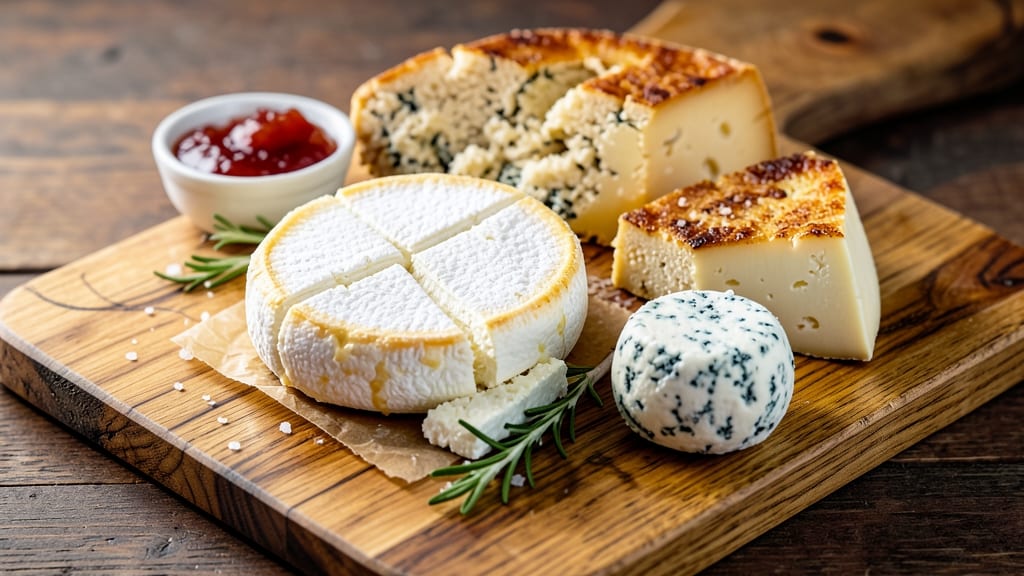
Creating a cheese platter recipe that impresses guests starts with thoughtful cheese selection and strategic pairings. A well-assembled board balances textures, flavors, and colors—soft brie, sharp cheddar, creamy goat cheese, and aged gouda create depth.
The key is variety: include a mix of milk types (cow, goat, sheep) and aging levels for complexity.
This recipe serves 6-8 and takes just 30 minutes of prep time, making it ideal for parties, holidays, or casual gatherings. Pair cheeses with complementary elements like honey-dipped figs, marcona almonds, and water crackers to elevate each bite.
A drizzle of balsamic reduction or olive oil adds a polished touch without overpowering the cheeses.
The result is a visually stunning platter that’s as delicious as it is beautiful—each cheese shines while the accompaniments enhance its natural flavors. Whether you’re hosting a dinner party or simply craving a sophisticated snack, this assembly delivers restaurant-quality presentation with minimal effort.
For extra flair, arrange cheeses in a circular pattern with the softest in the center and hardest at the edges. Garnish with fresh rosemary sprigs or edible flowers to tie everything together. This platter proves that great appetizers don’t require cooking—just careful curation.
Ingredients for cheese platter
Elevate any gathering with this artisan cheese platter featuring six premium cheeses and strategic accompaniments for depth.
| Ingredient | Amount | Notes |
|---|---|---|
| Brie Cheese 🧀 | 8 oz | Soft-ripened, rind removed |
| Sharp White Cheddar 🧀 | 8 oz | Aged 12+ months, block form |
| Aged Gouda 🧀 | 8 oz | Extra-old, crystalized texture |
| Goat Cheese 🧀 | 6 oz | Chèvre, creamy and mild |
| Blue Cheese 🧀 | 4 oz | Gorgonzola dolce, crumbled |
| Fresh Fig Jam 🍇 | ½ cup | Honey-dipped figs optional |
| Marcona Almonds 🥜 | ½ cup | Lightly toasted, shelled |
| Water Crackers 🍞 | 1 package | Thin, crisp variety preferred |
| Balsamic Reduction 🍷 | ¼ cup | High-quality, aged 12+ years |
| Extra-Virgin Olive Oil 🫒 | ¼ cup | Peppery, fruity variety |
| Fresh Rosemary Sprigs 🌿 | 4 whole | Tied with kitchen twine |
| Edible Flowers 🌸 | ¼ cup | Nasturtiums or violets |
| Diamond Crystal Kosher Salt 🧂 | 1 tsp | For garnish, coarse grain |
| Black Peppercorns 🌶️ | ½ tsp | Freshly cracked, coarse |
The cheese selection is critical—opt for artisan varieties whenever possible. Whole Foods Market or specialty cheese shops like Murray's Cheese offer exceptional curations, but even high-end grocery stores carry well-aged options. For the brie, seek out a triple-crème variety with a delicate rind—President Brie or Fromage Blanc standouts. The aged gouda should have visible crystals; Beemster or Smoked Gouda from Trader Joe's deliver that caramelized sweetness. Goat cheese should be creamy but not overly tangy—Crooked Creek or Montrachet brands excel. Blue cheese should be crumbled, not sliced, to release its boldest flavors. Pro tip: Purchase cheeses 24 hours ahead to let them reach room temperature for optimal texture.
No aged gouda? Extra-sharp cheddar provides a similar sharpness, though without the crystalline texture. Substitute goat cheese with feta for a saltier profile, but reduce to 4 oz to maintain balance. For the fig jam, homemade or Bonne Maman varieties elevate the platter, but any high-quality jam works. Marcona almonds can be swapped for hazelnuts or walnuts, though the buttery richness is unmatched. Crackers should be sturdy enough to hold up to cheese—Waterford Wedgwood or Tyler's are ideal. The balsamic reduction can be replaced with aged balsamic glaze or even a drizzle of honey for a sweeter contrast. Fresh herbs like thyme or sage can replace rosemary if unavailable, though rosemary's piney aroma complements the cheeses beautifully.
Cheeses should be stored in their original packaging until ready to assemble, then transferred to a cool, dry environment at room temperature. Use the platter within 4-6 hours of assembly for peak freshness, though individual cheeses can be refrigerated separately for up to 1 week. For longer storage, freeze accompaniments like jam and nuts in airtight containers for up to 6 months. Garnishes like rosemary and edible flowers should be added just before serving to preserve their vibrant colors. To reheat individual cheeses, place them on a baking sheet at 300°F for 5-10 minutes, though this is rarely necessary for a well-assembled platter. Portion crackers and nuts into small bowls for easy serving at gatherings.
Why You'll Love This Recipe
- No-Cook Magic: I swear by this—just slice, arrange, and serve. No oven, no stress, no waiting. The Brie softens at room temp while you prep, and that creamy melt? Zero effort, all reward.
- Flavor Party: Sharp cheddar’s tang cuts through the goat cheese’s tang, while the blue cheese adds that bold punch. Honestly, I’ll take this over any fancy charcuterie board—it’s my flavor party, and I’ll cry if I want to.
- Weeknight Hero: Game day? Last-minute dinner? This platter handles it all. Serve it with crackers for a snack, or pile it high on toast for a lazy brunch. My college kid texts me when he’s running late—this is his go-to.
- Budget Flex: You don’t need fancy cheeses to make it sing. Swap the aged Gouda for a cheaper wedge, and the blue cheese for a smaller block—it’s still ridiculously good. Leftovers? Wrap them in prosciutto for a no-brainer lunch.
Step-by-step instructions for artisan cheese platter assembly
Transforming simple ingredients into an elegant presentation requires precision and thoughtful arrangement.
Prepare the Cheese Components
Begin by removing all cheeses from refrigeration and allowing them to come to room temperature for 30 minutes. This ensures even texture and prevents condensation when arranged. For the 8 oz Brie Cheese and 8 oz Aged Gouda, use a sharp cheese knife to slice each into ½-inch thick rounds. Angle the knife slightly to create uniform, elegant slices that showcase the crystalized texture of the Gouda.
The 8 oz Sharp White Cheddar should be cut into ¼-inch thick wedges, while the 6 oz Goat Cheese can remain whole or be lightly pressed into a small log shape. Crumble the 4 oz Blue Cheese into small, irregular pieces—this enhances its visual appeal and makes it easier to access with serving utensils. Keep all cheeses separate until assembly to maintain their individual textures.
Arrange the Cheese Board Base
Select a large wooden or slate cheese board as your base. Spread the 1 package Water Crackers evenly across the center of the board, leaving a 1-inch border around the edges. This creates a neutral foundation that won't compete with the vibrant cheeses. Lightly brush the crackers with 0.25 cup Extra-Virgin Olive Oil using a pastry brush to enhance their crispness and add subtle flavor.
Next, create a circular arrangement of the prepared cheeses. Place the Brie Cheese slices in the center, followed by alternating rounds of Aged Gouda and Sharp White Cheddar in a sunburst pattern. Nestle the Goat Cheese log between the Gouda slices, and scatter the Blue Cheese crumbles around the perimeter. This arrangement balances textures and ensures each cheese has its own visual space.
Add Complementary Accompaniments
Drizzle the 0.25 cup Balsamic Reduction in an artistic zigzag pattern over the cheeses, allowing it to pool slightly in the crevices. This not only adds visual interest but also enhances the flavors when guests sample the board. Place the 0.5 cup Marcona Almonds in a small pile near the center, and position the 4 whole Fresh Rosemary Sprigs tied together at one corner of the board. Their fresh aroma will elevate the overall experience.
Dot the board with 0.5 cup Fresh Fig Jam using a small spoon, creating small pools around the cheeses. The jam's sweetness will beautifully contrast the sharpness of the cheddar and the creaminess of the brie. Finally, scatter the 0.25 cup Edible Flowers lightly over the top, focusing on areas with crackers and cheeses to add a touch of elegance and color.
Final Garnishes and Presentation
Using a fine-mesh sieve, sprinkle the 1 tsp Diamond Crystal Kosher Salt evenly over the entire board, focusing on the cheeses and crackers. This not only enhances flavor but also creates a visually appealing contrast against the cheeses. Crack the 0.5 tsp Black Peppercorns over the board, distributing them lightly to avoid overwhelming the delicate flavors.
For serving, include small cheese knives, a spreader for the goat cheese, and a pair of tongs for the blue cheese. Arrange these tools on the board itself or on a small tray nearby. The final presentation should be visually balanced, with no single element overpowering the others. Step back occasionally to assess the arrangement—this ensures a harmonious composition that invites guests to explore each component.
Pro Tips For Making Cheese Platter
- BRING CHEESES TO ROOM TEMP: Take Brie, goat cheese, and blue cheese out of the fridge 1-2 hours before serving—cold cheese tastes bland and feels like eating wax. Sharp cheddar and aged Gouda are fine at room temp, but if they’re straight from the fridge, give them 30 minutes to soften first. (Yes, this means planning ahead, but your guests won’t notice the effort.)
- SLICE GOAT CHEESE THIN: Goat cheese gets grainy when overworked, so slice it paper-thin (⅛-inch max) right before serving. Thicker slices turn rubbery, and no one wants that texture. Use a sharp knife and work quickly—this cheese doesn’t forgive hesitation.
- SKIP THE BRIE BURN: Brie’s rind is delicate—don’t torch it under the broiler like you would a steak. Warm it gently in the oven (300°F for 5-7 minutes) until the edges just soften, or serve it cold. The goal is to enhance flavor, not turn it into a science experiment.
- BALANCE THE BLUE: Blue cheese is bold—pair it with something sweet or crunchy to cut the intensity. A drizzle of honey, a sprinkle of walnuts, or even a slice of pear keeps the platter from tasting like a single-note concert. Trust me, your guests will thank you.
Storing and reheating this dish
Refrigerator Storage
Store your assembled cheese platter in the refrigerator for up to 4 hours to maintain optimal freshness and texture. Place it on a tray lined with parchment paper to catch any condensation. I recommend using a glass baking dish with a tight-fitting lid to preserve flavors and prevent drying.
For individual cheeses, wrap each type in plastic wrap or place them in airtight containers—they’ll stay fresh for 1 week in the fridge. 🧊
Freezing Cheese Components
Most accompaniments freeze beautifully for up to 6 months, but cheeses are trickier. The goat cheese and blue cheese can be frozen in portion-sized containers, but their textures may soften upon thawing.
I suggest freezing crackers, nuts, and fig jam separately in quart-sized freezer bags. Label everything with dates to track freshness. Thaw accompaniments overnight in the fridge before reassembling. ❄️
Reviving Stale Crackers
If your crackers lose their crispness after refrigeration, revive them by placing them on a baking sheet and heating at 300°F for 3-5 minutes. This restores their crunch without overcooking.
For nuts, toast them fresh in a dry skillet over medium heat for 2-3 minutes to bring back their buttery aroma. Never reheat cheeses in the microwave—they’ll become rubbery. 🔥
Portioning for Leftovers
Divide any remaining cheeses into 4-ounce portions and wrap them individually in parchment paper for easy grab-and-go snacks. Store these in a cool, dark place like a pantry for up to 3 days.
Portion crackers and nuts into small bowls with airtight lids to keep them fresh for 5-7 days. Label everything clearly to avoid mix-ups. 📅
Reassembling the Platter
When ready to serve again, let the cheeses sit at room temperature for 20-30 minutes before reassembling. Reapply any drizzles like balsamic reduction or olive oil just before serving to keep them vibrant.
Garnishes like rosemary and edible flowers should be added last to preserve their freshness. This method ensures your platter looks as good as new. ✨
Nutrition facts
Frequently asked questions
What's the best way to arrange cheeses on a platter for visual appeal?
Create a balanced composition by placing the softest cheeses (like brie) in the center and harder varieties (aged gouda, cheddar) toward the edges. Arrange them in a sunburst pattern with crackers as a neutral base. This creates visual interest while making each cheese easily accessible. For extra flair, alternate textures—place creamy goat cheese between sharper cheeses.
Can I substitute any of the cheeses if I can't find them?
Swap aged gouda for extra-sharp cheddar, or replace goat cheese with feta (reduce to 4 oz to maintain balance). For blue cheese, try Roquefort or Stilton—just adjust portion to 3 oz since they're stronger. The key is maintaining a mix of textures: soft, hard, crumbly, and creamy.
How do I keep the crackers from getting soggy?
Brush crackers lightly with olive oil just before serving, not in advance. Store the platter uncovered in the fridge for no more than 4 hours—condensation is the enemy of crispness. For longer storage, keep crackers separate in an airtight container and add them fresh when reassembling.
What's the best way to serve this platter at a party?
Include small cheese knives, a spreader for goat cheese, and tongs for blue cheese crumbles. Arrange serving tools on a separate tray or tuck them into the platter's edge. For large groups, portion cheeses into 4-ounce servings on small plates to prevent overcrowding. Always serve with a cold beverage like Sauvignon Blanc or sparkling water.
Can I make this platter ahead of time?
Prepare all components (cheese slices, accompaniments) up to 24 hours ahead, but assemble just before serving. Store cheeses wrapped individually in the fridge and keep crackers/nuts in separate containers. Reapply garnishes (rosemary, flowers, drizzles) fresh to maintain presentation. The flavors actually improve when cheeses sit at room temperature for 30 minutes before serving.