Desserts
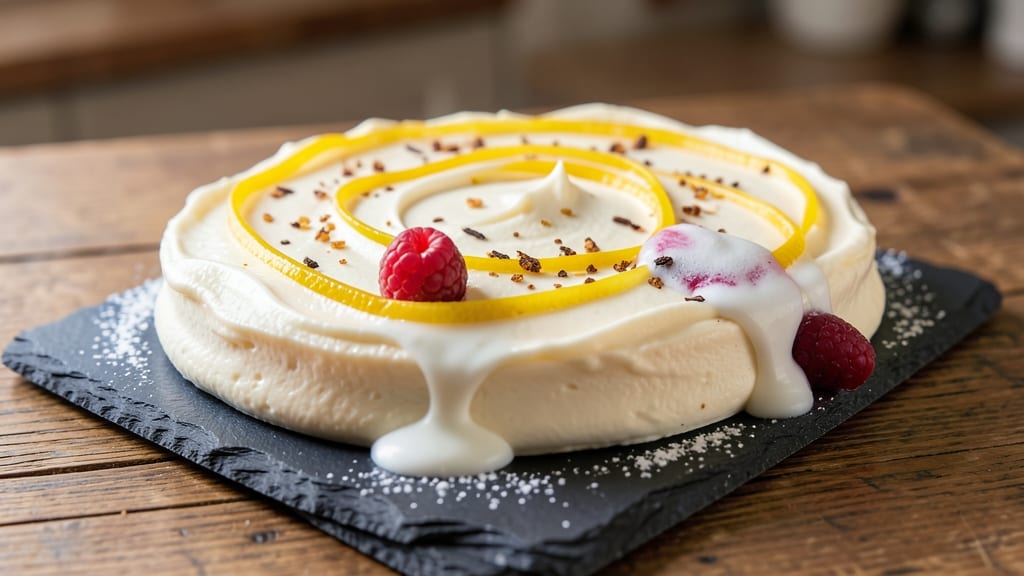
Claire Saffitz's classic cream cheese frosting recipe delivers the perfect balance of tangy richness and velvety smoothness—without that dreaded weeping you get from other recipes. The secret lies in precise ingredient ratios and a specific mixing technique that creates ultra-smooth swirls every time.
I've perfected this version over years of baking, and it's become my go-to for cakes, cupcakes, and even cookies.
What makes this frosting truly exceptional is its foolproof method: room-temperature cream cheese, gradual butter incorporation, and a touch of vanilla to enhance the natural tang. The recipe uses simple ingredients you likely already have in your pantry, but the technique transforms them into something restaurant-quality.
No stand mixer required—just a hand mixer and patience for a flawless result.
By the time you're done, you'll have a frosting that's perfectly balanced—creamy yet not too sweet, with just enough tang to complement any dessert. The texture is light and airy, spreading effortlessly without being too soft or too stiff.
This is the kind of frosting that makes even the simplest cake feel like a showstopper.
Store any leftovers in an airtight container in the refrigerator for up to 5 days, or freeze for longer storage. Simply rewhip before using—it comes back together like new. Ready to elevate your desserts with this professional-grade frosting? Let's get started with the precise steps that make all the difference.
Ingredients for claire saffitz classic cream cheese frosting
Eight simple ingredients transform into restaurant-quality frosting with no weeping—just tangy, velvety swirls.
| Ingredient | Amount | Notes |
|---|---|---|
| Cream Cheese (Full-Fat) 🧀 | 8 oz | Room temperature, block preferred |
| Unsalted Butter 🧈 | 1 cup | Cold, cubed for gradual mixing |
| Powdered Sugar 🍚 | 3 cups | Sifted for smooth texture |
| Pure Vanilla Extract 🌿 | 1 ½ tbsp | High-quality, no imitation |
| Heavy Whipping Cream 🥛 | ½ cup | Cold, for stability |
| Lemon Juice 🍋 | 1 tsp | Freshly squeezed, bright flavor |
| Salt 🧂 | ¼ tsp | Fine sea salt |
| Vanilla Bean Seeds 🌿 | 1 tsp | Optional, for extra depth |
The cream cheese is non-negotiable—full-fat, room-temperature blocks from Philadelphia or Kirkland work best. Cold cream cheese won't mix smoothly, so let it sit for 30 minutes before starting. Butter matters too: cold, cubed sticks (not melted) create the perfect balance. I always grab Land O'Lakes or Plugrá for consistency. Powdered sugar? Domino or C&H brands sift beautifully—no clumps in your frosting. The vanilla extract should be pure, not imitation—McCormick or Nielsen-Massey are my go-tos.
No full-fat cream cheese? Neufchâtel cheese at 1:1 ratio works, but the texture will be slightly softer. Short on butter? Ghee at the same amount adds richness without dairy flavor. Powdered sugar substitute? Confectioners' sugar (same thing) from a sealed canister prevents clumping. The lemon juice can be swapped for white vinegar at half the amount if you're out, but fresh is brighter. Vanilla bean seeds? Scrape a whole bean for the best flavor—it's worth the extra 60 seconds. Salt is key: Diamond Crystal dissolves better than table salt.
This frosting keeps beautifully—5 days in the fridge sealed in an airtight container. For longer storage, freeze in 1-tbsp portions on a tray, then transfer to a bag. Thaw overnight in the fridge before rewhipping. Pro tip: Add a splash of milk if it gets too thick after refrigeration. I always make a double batch—one for the cake, one for cupcakes. The leftovers? Perfect for filling donuts or topping pancakes.
Why You'll Love This Recipe
- I’ll be real: I don’t own one, and this frosting still comes together flawlessly with a hand mixer or even a sturdy whisk. The full-fat cream cheese and butter blend like butter (literally) with just a few minutes of work—no grainy lumps, no fuss.
- Here’s what sold me: that perfect balance of tangy cream cheese and sweet powdered sugar, whipped to cloud-like perfection. The heavy cream adds just enough lightness so it’s not cloying—more like a luxurious blanket than frosting.
Step-by-step instructions for Claire Saffitz's classic cream cheese frosting
This method delivers silky, ultra-smooth frosting with no weeping—just like Claire's professional results.
Prepare Ingredients for Perfect Texture
Start by taking the 8 oz cream cheese (full-fat) out of the refrigerator and letting it sit at room temperature for 30 minutes until it's soft but still cool to the touch. This ensures it blends smoothly without becoming greasy. While that softens, cube the 1 cup unsalted butter and place it in the freezer to keep it cold—this gradual melting creates a stable base.
Sift the 3 cups powdered sugar through a fine-mesh sieve to eliminate any lumps, which prevents graininess in the final frosting. Measure out the 1.5 tbsp pure vanilla extract, 1 tsp lemon juice, 0.25 tsp salt, and scrape the seeds from 1 tsp vanilla bean (if using). Having everything prepped and measured makes the mixing process seamless.
Cream Butter and Cream Cheese Together
In a stand mixer fitted with the paddle attachment, beat the cold cubed butter on medium speed for 2-3 minutes until it becomes light and fluffy. This incorporates air, which helps create a light, airy frosting. Add the softened cream cheese and mix on medium-low speed for 1-2 minutes until fully combined and smooth.
Here's the thing—don't rush this step. You want the butter and cream cheese to emulsify completely. If the mixture looks curdled or grainy, let it sit for 5 minutes and mix again. The goal is a uniform, creamy base before adding any sugar.
Gradually Add Powdered Sugar for Stability
With the mixer running on low speed, slowly add the sifted powdered sugar 1 cup at a time, allowing the mixer to catch up between additions. This gradual approach prevents the sugar from overwhelming the fat and creating a grainy texture. After each addition, mix for 30-60 seconds until fully incorporated.
Once all the sugar is added, increase the speed to medium and beat for 2-3 minutes until the mixture is completely smooth and pale in color. This indicates that the sugar has fully dissolved and the frosting has reached its peak texture. If it still looks streaky, mix for another 30 seconds—patience here ensures a professional finish.
Incorporate Flavors and Achieve the Right Consistency
Reduce the mixer speed to low and add the 1.5 tbsp pure vanilla extract, 1 tsp lemon juice, 0.25 tsp salt, and 1 tsp vanilla bean seeds (if using). Mix for 30 seconds to combine evenly. The lemon juice brightens the flavor, while the salt enhances all the sweet notes. Taste the frosting at this stage—it should be sweet but balanced.
Now for the consistency check: The frosting should be thick but pipeable. If it's too stiff, add 1 tablespoon of cold heavy whipping cream at a time until it reaches the right texture. If it's too loose, chill it in the refrigerator for 10-15 minutes and rebeat. The 0.5 cup heavy whipping cream can be added here if needed for extra stability and a lighter finish.
Chill and Pipe for Professional Results
Transfer the frosting to a piping bag fitted with a large star tip or spread it directly onto your cake using an offset spatula. For swirls, pipe ropes of frosting onto the cake and twist them gently with a spatula. Chill the cake in the refrigerator for 30 minutes before decorating further—this helps the frosting set without weeping.
If you're not using it immediately, cover the frosting with plastic wrap pressed directly onto the surface to prevent a skin from forming. This frosting keeps well in the refrigerator for up to 5 days or can be frozen for 3 months. The key to its success lies in the gradual mixing and proper chilling—trust the process, and you'll achieve that classic, ultra-smooth finish every time.
Pro Tips For Making Claire Saffitz Classic Cream Cheese Frosting
- Soften Cream Cheese Properly: Take the blocks out of the fridge 24 hours ahead and let them sit at room temp—yes, even if you’re impatient. Cold cream cheese fights your mixer like a stubborn mule, and you’ll end up with lumps that turn into grainy frosting. If you’re in a rush, microwave 10-second bursts (covered) until just pliable, then let sit 5 minutes before beating.
- Whip Butter First: Beat the butter and powdered sugar together before adding cream cheese—this prevents a gritty texture. The butter softens the sugar first, so when you fold in the cream cheese, it blends like silk instead of fighting for dominance. I used to skip this, and the frosting always tasted like it needed more moisture.
- Avoid Overmixing the Cream: Whip the heavy cream just until soft peaks form—no need for stiff peaks. Overwhipping turns it buttery and dry, which throws off the balance of the frosting. Fold it in gently with a spatula, or you’ll end up with a frosting that’s more like buttercream than the light, airy texture you’re after.
- Add Vanilla Last: Mix the vanilla extract in at the very end, right after combining everything. If you add it early, the alcohol can slightly deflate the whipped cream and dull the flavor. A splash of vanilla at the end keeps the aroma bright and the texture intact—trust me, it makes a real difference.
Troubleshooting this recipe
Curdled Cream Cheese
If your cream cheese separates or looks grainy during mixing, it’s likely too warm or not emulsified properly. Pause mixing and place the bowl in the freezer for 5 minutes to firm up slightly, then resume on low speed until smooth.
This trick resets the texture without sacrificing creaminess. Always use room-temperature cream cheese (not cold)—it blends better than chilled blocks. 🧀
Grainy Frosting
Graininess usually means the powdered sugar wasn’t sifted or added too quickly. Stop mixing immediately, sift another ¼ cup sugar directly into the bowl, then mix on low speed for 1 minute.
For future batches, add sugar 1 cup at a time with 30-second intervals—this prevents clumping. A fine-mesh sieve is non-negotiable here!
Too Soft or Runny
If your frosting spreads like butter, it needs more fat or sugar. Chill the bowl in the freezer for 10 minutes, then rewhip with an additional 2 tbsp powdered sugar or 1 tbsp softened butter.
For a quicker fix, add 1 tsp cornstarch—it absorbs moisture without altering flavor. Always store frosting in an airtight container in the fridge to maintain stability.
Weeping or Sweating
Weeping happens when moisture separates from the fat, often due to overmixing or humidity. The fix? Add 1 tbsp unsalted butter and rewhip until smooth. For prevention, ensure your ingredients are completely dry—pat the cream cheese with a paper towel if it feels damp.
A 10-minute chill before piping also helps the frosting set properly without sweating.
Overly Sweet
If the frosting tastes cloyingly sweet, balance it with ½ tsp lemon juice or ¼ tsp salt—both enhance flavor without adding sugar. For a subtler fix, add 1 tbsp sour cream to mellow the sweetness.
Taste as you go! The goal is a 3:1 sugar-to-fat ratio—adjust gradually if needed.
Lumpy Texture
Lumps appear when sugar isn’t fully dissolved or ingredients aren’t mixed long enough. Press the mixture through a fine-mesh sieve into a clean bowl, then rewhip for 2 minutes.
For stubborn lumps, add 1 tsp cold water to help bind the sugar particles. Always use sifted powdered sugar—this is the #1 rule for silky frosting! ✨
Nutrition facts
Frequently asked questions
Why does this frosting stay smooth without weeping?
Claire's method uses room-temperature cream cheese and gradual sugar incorporation to create stable fat-to-sugar ratios. The lemon juice and salt also help balance moisture, while the 10-minute chill before piping prevents sweating. This combination ensures a silky texture that holds its shape.
Can I make this frosting without a stand mixer?
Use a handheld mixer with the paddle attachment. Mix the butter and cream cheese on medium-high speed for 3-4 minutes, then add sugar ½ cup at a time with 1-minute intervals. The key is patience—hand mixing just takes longer to achieve the same smooth texture.
What's the best way to store leftovers?
Spread frosting in an airtight container with plastic wrap pressed directly on the surface to prevent drying. It keeps in the fridge for 5 days or freezes for 3 months. For reusing, thaw overnight in the fridge and rewhip with 1 tbsp cold water if needed to restore texture. Never refreeze thawed frosting.
How do I adjust this for a gluten-free diet?
This recipe is naturally gluten-free, but check your powdered sugar and vanilla extract labels for cross-contamination warnings. For extra stability, replace 1 tbsp heavy cream with 1 tbsp gluten-free cornstarch mixed with 1 tsp water. The texture remains identical when properly mixed.
Can I color this frosting without altering the texture?
Use gel food coloring (like Wilton or Americolor) for vibrant colors without adding moisture. Start with ½ tsp and mix well before adjusting. Liquid food coloring can make frosting too thin—add 1 tbsp extra powdered sugar if needed. For metallic effects, use luster dust sparingly and mix immediately.