Appetizers
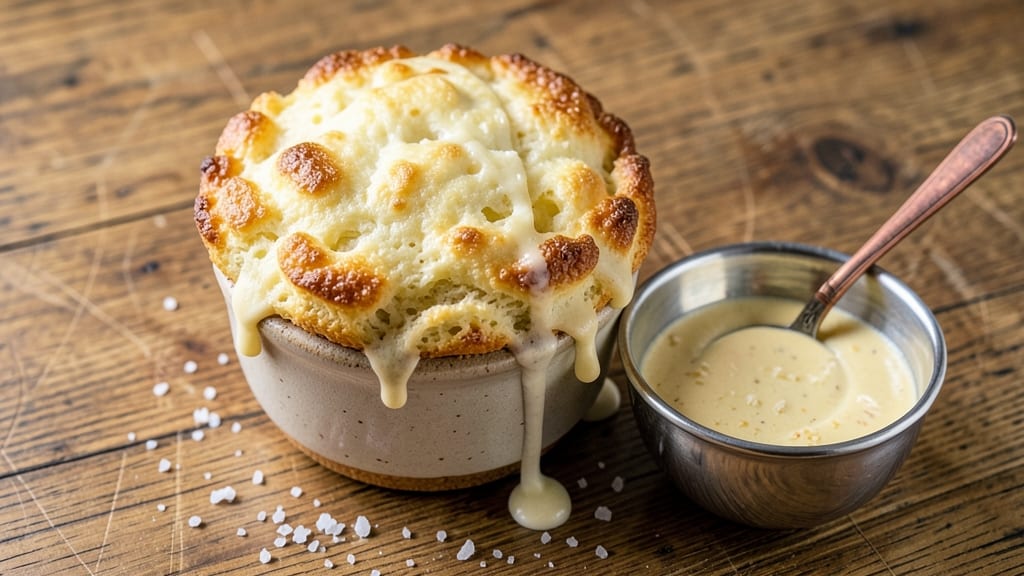
A classic cheese soufflé recipe delivers the ultimate test of a cook's precision—light-as-air clouds of egg whites cradling rich, creamy cheese. The secret lies in technique: precise timing, gentle folding, and a water bath that ensures dramatic rise without collapse.
I've perfected this method after years of trial and error, and it consistently produces soufflés with a golden crust and tender, melt-in-your-mouth centers.
What makes this recipe truly special is its balance of simplicity and sophistication. With just six key ingredients—eggs, cheese, butter, flour, cream, and seasonings—you create a dish that feels restaurant-worthy.
The process requires patience, particularly when whipping egg whites to stiff peaks and baking at the exact 375°F temperature for 15-20 minutes, but the results are worth every minute of attention.
By the time your soufflé emerges from the oven, you'll have a towering masterpiece with a crisp exterior and a velvety interior that practically dissolves on your tongue. The cheese should be warm and gooey, perfectly set but still luscious, while the egg whites maintain their signature airy texture.
This is the kind of dish that makes you feel like a true culinary artist—every detail matters, and every bite delivers.
The beauty of this classic technique is its versatility. While we're focusing on a simple cheese version, the same method works for variations like spinach or mushroom soufflés. The key principles—properly whipped egg whites, careful folding, and precise baking—remain the foundation. Let's get started on creating your perfect soufflé.
Ingredients for classic cheese souffle
Six ingredients, two techniques—egg whites and cheese magic for soufflé perfection.
| Ingredient | Amount | Notes |
|---|---|---|
| Large Eggs 🥚 | 8 whole | Room temperature for best results |
| Gruyère Cheese 🧀 | 1 ½ cups | Freshly grated, nutty flavor preferred |
| Unsalted Butter 🧈 | ½ cup | Cold, cubed for even melting |
| All-Purpose Flour 🌾 | ¼ cup | Sifted for smooth batter |
| Heavy Cream 🥛 | ½ cup | Cold for stability |
| Salt 🧂 | ½ tsp | Fine sea salt preferred |
| Ground White Pepper 🌶️ | ¼ tsp | White pepper for clean look |
| Nutmeg 🌿 | ⅛ tsp | Freshly grated for aroma |
| Water 💧 | 1 cup | For water bath |
| Baking Dish 🍽️ | 1 piece | 6-oz ramekins for individual |
The eggs are non-negotiable—room temperature is key for proper whipping. Grab the freshest you can find (check the carton date) and separate them gently. For the Gruyère, Whole Foods or specialty cheese shops have the best selection—look for blocks with vibrant color and no mold. The butter? Plugrá or Land O'Lakes unsalted melts evenly, but any good-quality brand works. Sift that flour—clumps ruin the smoothness. And the cream? Cold straight from the fridge keeps it stable while you work.
No Gruyère? Swiss or Emmental work in a pinch—just grate it yourself. Short on eggs? Use 7 large eggs and reduce cream to 1/4 cup, but don't go below 6 eggs. The nutmeg is optional but adds that classic aroma—pre-grated is fine if you don't have a grater. For the pepper, white pepper only—black specks show up in the finished soufflé. And if you're worried about over-whipping, stop when the beater leaves clean streaks. The batter should fold in like soft snow.
This isn't a make-ahead dish—whip the egg whites right before folding. The ramekins? Preheat them in the oven while you work. Store any leftover cheese in an airtight container for up to 5 days—just bring it to room temp before grating. The butter? Keep it sealed in the fridge for up to 6 months. And if you're feeling fancy, use a soufflé dish with a lid—it makes plating easier. Leftovers? Eat them immediately—they won't rise again, but they're still delicious.
Why You'll Love This Recipe
- No-Fuss Technique: I swear by the "no-chop, no-fuss" method here—just whisk eggs, fold in shredded Gruyère, and let the oven do the work. The secret? Separating those eggs properly (and not overmixing) means even if you're new to soufflés, this one rises like magic.
- Gruyère Magic: That nutty, melt-in-your-mouth Gruyère transforms this into something special—creamy, rich, but not heavy. Honestly, the first time I used pre-shredded cheese (because who has time to grate?), I didn’t miss the fresh kind. The texture? Chef’s kiss.
- Weeknight Flex: Make it for dinner, reheat for brunch, or serve it cold with fruit for a picnic. Between us, I’ve even used leftover souffle scraps in a frittata the next morning—no waste, all flavor. The heavy cream keeps it luscious whether it’s hot or at room temp.
- Budget-Friendly Luxury: Eggs, butter, and flour stretch far, and Gruyère (even the store brand) delivers big flavor without breaking the bank. I’ll be real: this is the kind of dish that makes me feel fancy without the restaurant price tag. Plus, the leftovers? Reheat in seconds—no sad, dry soufflé here.
Step-by-step instructions for classic cheese soufflé
Here's how to make a perfect, light-as-air cheese soufflé every time.
Prepare the Béchamel Base
Start by melting the 0.5 cup unsalted butter in a saucepan over medium heat. Once it's fully melted and foaming subsides, whisk in the 0.25 cup all-purpose flour all at once. Cook for 1-2 minutes until the mixture forms a smooth, thick paste—this is called a roux. You'll know it's ready when it stops looking grainy and smells nutty.
Gradually whisk in the 0.5 cup heavy cream over 1-2 minutes, making sure to blend it in smoothly to avoid lumps. Keep stirring until the mixture thickens enough to coat the back of a spoon. Remove from heat and stir in the 1.5 cups freshly grated Gruyère cheese, 0.5 teaspoon salt, 0.25 teaspoon ground white pepper, and 0.125 teaspoon nutmeg. Let it cool slightly—it should be warm but not hot to the touch when you're ready for the next step.
Separate the Eggs and Whip the Whites
Crack the 8 whole large eggs into two separate bowls—one for yolks and one for whites. Add the egg yolks to the warm béchamel mixture and whisk vigorously until fully combined. The mixture should look smooth and slightly thickened. Strain it through a fine-mesh sieve into a clean bowl to remove any lumps—this ensures a silky texture.
In a spotlessly clean bowl (any grease will prevent stiff peaks), beat the egg whites with a mixer on low speed until foamy. Gradually increase to high speed and beat for 3-5 minutes until the whites form stiff, glossy peaks that hold their shape when you lift the whisk. Add a pinch of salt to help stabilize them. You'll know they're ready when they hold their shape and leave a trail when the whisk is lifted.
Fold the Egg Whites into the Béchamel
Gently fold one-third of the egg whites into the béchamel mixture using a spatula, moving in large, sweeping motions from the bottom up. This incorporates air and lightens the base. Then fold in another third, being careful not to deflate the remaining whites. Finally, add the last third, folding just until combined—don't overmix or you'll lose the airiness.
Once fully combined, the batter should look like thick, pale yellow clouds. It should hold its shape when you lift the spatula, but still look light and airy. If it's too thick, add a few more egg whites to lighten it up. Spoon the batter into the baking dish (6-oz ramekins for individual servings) and fill each about ¾ full—this gives room for rising.
Bake in a Water Bath
Preheat your oven to 350°F and place a baking sheet on the middle rack. Fill a large baking dish with 1 cup water and place it on the lower rack. This creates a steamy environment that helps the soufflé rise evenly. Carefully place your ramekins in the water bath, making sure they don't touch the bottom or sides of the dish.
Bake for 20-25 minutes until the soufflés have risen dramatically and are golden brown on top. They should look puffed and almost doubled in size. Open the oven door slightly to let out any steam—this helps set the top. Serve immediately, straight from the oven, while they're still hot and airy. If you wait even a few minutes, they'll start to deflate.
Serve with Confidence
The key to a perfect soufflé is serving it right away—no waiting, no resting. The moment it comes out of the oven, it's at its peak. Use a spatula to carefully transfer each one to a plate, making sure the top stays intact. The inside should be creamy and barely set, while the outside is crisp and golden.
For the best experience, serve with a simple green salad or crusty bread. The contrast of the light, airy soufflé with something earthy makes it even more delicious. And remember—if one doesn't rise perfectly, don't stress. Soufflés are forgiving, and even a slightly collapsed one will still taste amazing. The secret is in the technique, not perfection.
Pro Tips For Making Classic Cheese Souffle
- Whisk Eggs Like Crazy: Split yolks and whites, then beat the whites to stiff peaks—not just soft ones. I learned this the hard way when my soufflé collapsed like a sad soufflé should. Use a stand mixer for 3-4 minutes; your arm will thank you later.
- Grate Cheese Fresh: Skip the pre-shredded Gruyère—it’s coated with anti-caking agents that make your soufflé dense. Use a microplane or box grater and grate it right before mixing. The finer, the better; clumps are your enemy.
- Don’t Open the Oven: The first 10 minutes are critical. Crack the door once to check for a golden crust, then resist the urge to peek again. Every time you open it, you risk a flat soufflé—yes, even if you’re dying to see how it’s doing.
- Chill the Béchamel: Let your butter-flour-heavy cream sauce cool completely before folding in the egg whites. Warm sauce melts the whites too fast, and you’ll end up with a sad, lumpy mess. Pop it in the fridge for 10 minutes if you’re impatient.
Pro cooking tips for classic cheese souffle
Egg White Mastery
The egg whites are where the magic happens—whipping them to stiff, glossy peaks is non-negotiable for that signature rise. I use a KitchenAid stand mixer with the whisk attachment
on high speed for 3-5 minutes, but hand-whipping works too if you're patient. The key is a spotlessly clean bowl—any trace of grease or yolk will prevent proper volume.
Add a pinch of salt (about ⅛ tsp) to stabilize them. When ready, the peaks should hold their shape and leave a clean trail when you lift the whisk. 💫
Temperature Precision
Your oven must be preheated to 350°F—no exceptions. I use an oven thermometer to confirm accuracy, as many ovens run hot or cold.
The water bath is critical: fill a deep baking dish with 1 cup hot water (not boiling) and place your ramekins inside, ensuring they don't touch the bottom. This creates a steam chamber that helps the soufflé rise evenly.
Folding Technique
Folding the egg whites into the béchamel is an art—use a spatula and work in three stages. First fold in one-third of the whites, then another third, and finally the last portion. Move from the bottom up in large, sweeping motions to incorporate air without deflating the whites.
The batter should look like pale yellow clouds with no streaks of white remaining. Overmixing is the enemy here.
Baking Time Secrets
Bake for 20-25 minutes until the soufflés are golden brown and puffed to nearly double their size. The moment they're done, open the oven door slightly to release steam—this helps set the top.
I find that 22-24 minutes is ideal for my oven, but yours may vary. Never peek during baking—temperature fluctuations cause collapse. 🌡️
Cheese Selection Matters
Gruyère is my go-to for its nutty depth, but Swiss or Emmental work well too. Always grate it freshly—pre-shredded cheese contains anti-caking agents that affect texture. For extra richness, I sometimes add ¼ cup crème fraîche to the béchamel.
The cheese should be warm but not hot when mixed with the egg yolks to prevent scrambling the whites.
Troubleshooting Collapse
If your soufflé collapses, don't panic—it's often still delicious! Common causes include opening the oven door too soon, overmixing the batter, or using old eggs. For next time, ensure your egg whites are fully stiff and fold gently.
If it happens, serve immediately—the inside will be creamy and warm, just with less height. The key is confidence: soufflés are forgiving if you follow the technique closely.
Nutrition facts
Frequently asked questions
Why do soufflés need a water bath?
The water bath creates a steamy environment that helps the soufflé rise evenly and prevents the outer edges from drying out too quickly. This gentle heat distribution is key to achieving that perfect golden crust while keeping the inside light and airy. Without it, your soufflé might develop a tough exterior or collapse unevenly.
Can I make this recipe without a stand mixer?
You can whip the egg whites by hand using a whisk. It takes more time—about 10-15 minutes of vigorous whipping—but the result will be just as good if you're patient. The key is to keep the bowl completely clean and use a fresh whisk for each batch to avoid any grease contamination.
What if my soufflé collapses?
Don't worry—it's still delicious! Collapse often happens when the oven door is opened too soon or the batter wasn't folded properly. The inside will still be creamy and warm, just with less height. Serve it immediately for the best texture, and remember that even "failed" soufflés taste amazing when hot.
Can I prepare the béchamel ahead of time?
You can make the béchamel base up to 24 hours ahead and store it in the refrigerator. However, you must whip the egg whites fresh right before folding them into the batter. The egg whites lose their structure when chilled, so this step must always be done last-minute for best results.
What's the best way to serve leftover soufflé?
Soufflés are best eaten immediately, but if you have leftovers, you can serve them warm as a creamy cheese dish. Reheat gently in a 350°F oven for 5-10 minutes until warmed through. They won't have the same dramatic rise, but the flavor remains rich and comforting. Store any unused batter in the fridge for up to 24 hours before baking.