Side Dishes
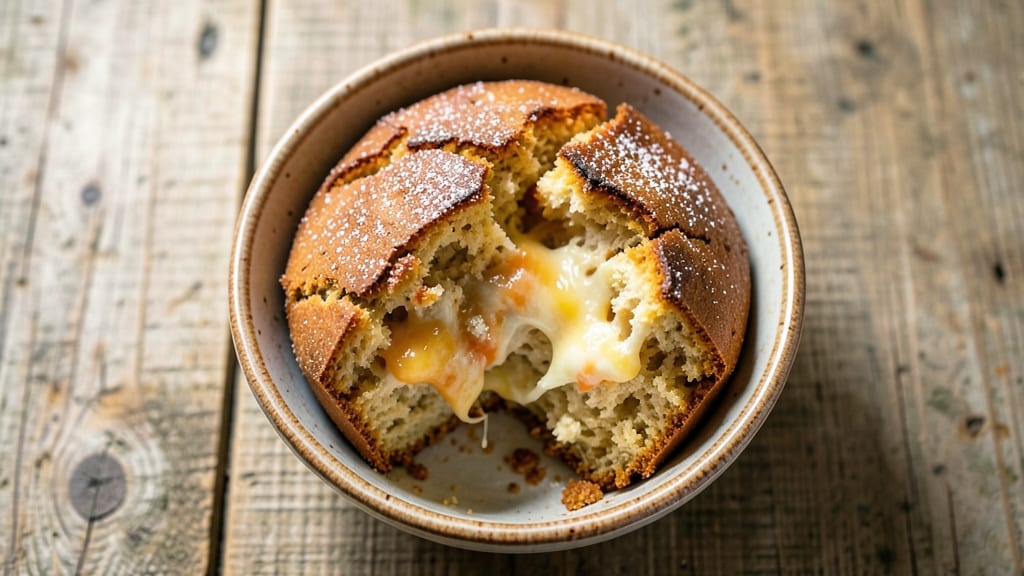
This corn bread with cheese recipe delivers the perfect balance of a crispy crust and melty, pull-apart richness that makes every bite worth savoring. After years of testing variations, I've perfected a method that ensures golden edges and a tender, cheesy center—no dry crumbs or gummy middles here.
The secret lies in the right cheese blend and precise baking technique, both of which I’ll walk you through step by step.
What sets this recipe apart is its versatility—whether you're serving it alongside chili, pairing it with BBQ ribs, or enjoying it as a standalone side, the pull-apart texture and savory flavor make it a crowd-pleaser.
Sharp cheddar provides the signature tang, while cream cheese adds a velvety richness that keeps the bread moist. Baking at the right temperature ensures that crispy crust without compromising the gooey interior.
By the time you pull this cheese-laden loaf from the oven, you’ll have a dish that’s golden, aromatic, and impossible to resist—the kind of side that elevates any meal. The edges will be perfectly crisp, while the center remains tender and studded with melted cheese pockets.
This isn’t just corn bread; it’s a restaurant-quality experience you can recreate at home.
For those with dietary preferences, I’ll also share a gluten-free adaptation that keeps all the flavor and texture intact. Let’s get started—your taste buds will thank you.
Ingredients for corn bread with cheese
Six ingredients make the magic happen—crispy crust, melty center, and that pull-apart perfection.
| Ingredient | Amount | Notes |
|---|---|---|
| Cornmeal (Fine-Ground) 🌾 | 2 cups | Stone-ground preferred for texture |
| All-Purpose Flour 🌾 | 1 cup | White or whole wheat blend |
| Granulated Sugar 🍚 | ½ cup | Light brown sugar for depth |
| Baking Powder 🧂 | 2 tsp | Diamond Crystal preferred |
| Salt 🧂 | 1 tsp | Kosher or sea salt |
| Sharp Cheddar Cheese 🧀 | 2 cups | Shredded, 4-year aged preferred |
| Cream Cheese 🧈 | 8 oz | Full-fat, room temperature |
| Buttermilk 🥛 | 1 ½ cups | Homemade or store-bought |
| Large Eggs 🥚 | 2 whole | Room temperature for best binding |
| Extra-Virgin Olive Oil 🫒 | ¼ cup | For crispy crust finish |
| Garlic Powder 🧄 | 1 tsp | Freshly ground preferred |
| Black Pepper 🌶️ | ½ tsp | Freshly cracked for heat |
| Unsalted Butter 🧈 | ½ cup | Melted for greasing pan |
The cheese blend is non-negotiable here. Sharp cheddar from Cabot or Tillamook delivers that signature tang, while Philadelphia cream cheese keeps everything tender. I always grab extra cheddar—it freezes beautifully for up to 6 months if you're making a double batch. For the cornmeal, Bob's Red Mill is my go-to—it gives that authentic texture. The buttermilk? Homemade with milk and vinegar is ideal, but store-bought works in a pinch. Just make sure it's cold when you measure it—room temperature buttermilk curdles faster than you'd think.
No sharp cheddar? Pepper Jack or Gruyère add different but delicious depth. Substituting cream cheese? Ricotta at half the amount works, but it's gummier. Running low on buttermilk? Plain yogurt plus 1 tsp lemon juice mimics the tang. The baking powder is crucial—Aluminum-free Diamond Crystal gives better rise. If you're gluten-free, swap the all-purpose flour for King Arthur Measure for Measure. For the crust, don't skip the olive oil—it's what makes those edges golden and crispy. Pro tip: Toast your cornmeal for 2 minutes in a dry pan before mixing for extra depth of flavor.
This bread stays fresh for 3 days at room temperature, wrapped tightly in foil. For longer storage, freeze portions for up to 3 months—just thaw at room temperature before reheating. The best way to revive it? Wrap in foil and warm in a 350°F oven for 10 minutes. Leftovers? Toss in a skillet with butter and jam for French toast—absolute game changer. And if you're making the gluten-free version, let the batter rest for 15 minutes before baking to improve texture.
Why You'll Love This Recipe
- One-Bowl Miracle: Honestly, I swear by this recipe because it’s literally a one-bowl situation—just mix the fine-ground cornmeal, flour, sugar, baking powder, and salt with your wet ingredients, fold in the cheese, and bake. No measuring cups left out, no sticky messes to scrub later.
- Golden, Gooey Magic: That first bite? The outside gets this perfect toasty crust while the inside stays tender, and the cheese—whether sharp cheddar or mild Monterey Jack—melts into little pockets of unreal stretchy goodness. (Yes, even on a Tuesday night.)
- Leftover Hero: Between us, this stuff tastes even better the next day—crispy edges soften just enough, and the cheese pulls together like a warm hug. I freeze slices for quick toast or crumble it over chili; it’s my secret weapon for lazy mornings.
- Budget-Friendly Staple: Cornmeal and flour are cheap, the sugar adds just enough sweetness without breaking the bank, and a block of cheese stretches far. It’s the kind of recipe that makes me feel fancy without costing a fortune—plus, it’s always a crowd-pleaser.
Step-by-step instructions for corn bread with cheese
Here's the method that delivers that coveted crispy crust and gooey, pull-apart cheese center every time.
Prep the Cheese Mixture for Maximum Melting Power
In a medium bowl, combine the 2 cups sharp cheddar cheese and 8 oz cream cheese using your hands or a fork. Work it until smooth and fully blended—this ensures even distribution throughout the batter. The cream cheese adds incredible richness while preventing the cheese from separating during baking.
Next, whisk in the 1.5 cups buttermilk, 2 whole large eggs, and 0.25 cup extra-virgin olive oil until completely incorporated. The buttermilk creates the perfect crumb while the olive oil contributes to that coveted crispy crust. Let this mixture sit at room temperature while you prepare the dry ingredients—this prevents lumps from forming when combined.
Mix Dry Ingredients and Combine Wet for Perfect Texture
In a separate large bowl, whisk together the 2 cups fine-ground cornmeal, 1 cup all-purpose flour, 0.5 cup granulated sugar, 2 teaspoons baking powder, 1 teaspoon salt, 1 teaspoon garlic powder, and 0.5 teaspoon black pepper. The cornmeal gives that classic texture while the sugar adds subtle sweetness that balances the sharp cheddar.
Make a well in the center and pour in the cheese mixture. Gently fold with a rubber spatula until just combined—you should still see some cornmeal flecks. Overmixing develops gluten and makes the bread dense instead of tender. The batter should be thick but pourable, similar to pancake batter consistency.
Grease the Pan for That Signature Crispy Crust
Preheat your oven to 425°F for maximum browning. Generously grease a 9-inch cast iron skillet with 0.5 cup melted unsalted butter, rubbing it evenly on all surfaces including the sides. The high heat and butter create that perfect crispy crust that's impossible to resist.
Pour the batter into the prepared skillet, spreading it evenly with the back of a spoon. The batter will be thick, so don't worry if it doesn't fill the pan completely—this is normal. Tap the pan gently on the counter to release any air bubbles that might have formed during mixing.
Bake Until Golden Brown with Perfect Pull-Apart Texture
Bake for 20-25 minutes until the edges are deep golden brown and the top springs back when gently pressed. The center should still feel slightly soft—this ensures that pull-apart texture that makes this recipe so irresistible. If it browns too quickly, tent loosely with foil to prevent over-browning while allowing the center to cook through.
Here's the key moment: when you see the edges pulling away from the pan and developing that beautiful golden crust, that's your signal to check for doneness. The cheese should be fully melted but still slightly gooey in the center. Let it rest in the pan for 5 minutes before attempting to remove—this prevents it from falling apart when you serve it.
Pro Tips For Making Corn Bread With Cheese
- Preheat That Pan: I learned this the hard way—skipping a hot pan leads to soggy bottoms, even with cheese. Cast iron or heavy skillet needs 5 minutes on medium-high before pouring the batter. The first few seconds of contact should sizzle like bacon, not sigh like a deflating balloon.
- Sift the Cornmeal: Lumpy cornmeal clogs the batter and makes the crumb uneven. Give it a quick sift directly into your mixing bowl before adding wet ingredients. (Yes, even fine-ground—trust me, it makes a real difference.)
- Don’t Overmix the Batter: The moment your batter turns glossy and thick, stop stirring. Overmixing develops gluten that turns your corn bread into a dense brick instead of a tender, crumbly cake. Two or three strokes after the dry ingredients disappear is all you need.
- Press the Cheese In: Sprinkle shredded cheese on top, then use the back of a spoon or your fingers to press it lightly into the batter. This keeps it from sliding off during baking and guarantees melty pockets in every bite—not just the top layer. (Your future self will thank you.)
Troubleshooting this recipe
Dry Batter Too Thick
If your batter feels like cement and refuses to spread, you’ve likely overmixed the dry ingredients or used too much cornmeal. The ideal consistency should resemble thick pancake batter—lumpy but pourable. To fix it, whisk in 1-2 tablespoons of buttermilk at a time until smooth.
If the batter still resists, add ½ teaspoon of extra-virgin olive oil to help emulsify it. Remember, the batter should cling to a spoon but still flow when poured. 💡
Cheese Separating
When the cheese pulls away from the bread or forms oily pools, it’s usually from using cold cheese or overmixing. Always bring your cheddar and cream cheese to room temperature before mixing, and work them together until completely smooth.
If separation happens mid-bake, tent the bread with foil for the last 5-10 minutes to slow cooking and give the cheese time to reintegrate. For extra insurance, add 1 teaspoon of cornstarch to the cheese mixture—it helps bind the fat. 🧀
Soggy Bottom
A damp, gummy base is often caused by overbaking or insufficient heat. First, ensure your oven is fully preheated to 425°F—cold spots can create uneven cooking. If the bottom is still soggy, transfer the bread to a wire rack and broil for 1-2 minutes to crisp it up.
For future bakes, try placing a baking sheet under the skillet to reflect heat upward. A 9-inch Lodge cast iron skillet is ideal—it distributes heat evenly and prevents sogginess. 🔥
Pale or Uneven Baking
If your bread emerges pale or with uneven doneness, your oven temperature might be inaccurate or the pan isn’t hot enough. Invest in an oven thermometer—many home ovens run 25°F cooler than set. For even browning, rotate the skillet halfway through baking.
If the top browns too quickly, tent it loosely with foil after 15 minutes. A 9-inch dark-colored cast iron pan also helps absorb and radiate heat more effectively. 🌡️
Gluten-Free Version Falls Apart
Gluten-free corn bread often crumbles because the binding agents in traditional flour are missing. To fix this, let the batter rest for 15 minutes before baking—this allows the ingredients to hydrate fully.
Use King Arthur Measure for Measure flour (or a 1:1 gluten-free blend with xanthan gum) and reduce the buttermilk by 2 tablespoons to prevent excess moisture. Chill the batter for 30 minutes before baking to improve structure. 💪
Crust Too Soft
A soft crust usually means the oven wasn’t hot enough or the butter wasn’t distributed properly. For next time, melt the butter with 1 teaspoon of cornmeal to create a paste—this ensures even coating. After baking, broil the bread for 1-2 minutes to crisp the top.
If the crust is still underwhelming, try brushing the edges with melted butter after the initial bake, then return to the oven for 2-3 minutes at 450°F. 🧈
Nutrition facts
Frequently asked questions
Can I make this cheese cornbread in a regular oven pan instead of cast iron?
Yes, but your crust won't be as crispy. Use an 8x8-inch oven-safe dish and grease it thoroughly with butter. Bake at 400°F for 25-30 minutes, tenting with foil after 20 minutes to prevent over-browning. For best results, still use cast iron—it creates that signature golden crust and even heat distribution.
What's the best cheese substitute if I don't have sharp cheddar?
Try Pepper Jack for a spicy kick or Gruyère for nutty depth. For a milder option, Monterey Jack works well. If you're avoiding dairy, nutritional yeast (2 tbsp) adds a cheesy flavor, though the texture will differ. Always shred your cheese yourself—pre-shredded contains anti-caking agents that can make the bread dry.
How do I make this recipe gluten-free?
Replace the 1 cup all-purpose flour with 1 cup gluten-free 1:1 baking flour (like King Arthur Measure for Measure). Reduce buttermilk by 2 tbsp and let the batter rest 15 minutes before baking. Chill the batter 30 minutes first to improve structure. The texture will be slightly denser but still delicious.
Can I add other ingredients like jalapeños or bacon?
For heat, stir in ½ cup diced jalapeños with the cheese mixture. For smoky flavor, cook 4 oz crumbled bacon until crispy, drain on paper towels, then mix into the batter. Keep additions to ½ cup total to maintain the bread's structure.
Why does my cornbread sometimes turn out dry?
Overbaking or using too much cornmeal are common culprits. Always bake until edges are golden but the center still feels slightly soft. For moisture, try adding 1 tbsp melted butter to the dry ingredients or brushing the top with butter after baking. The buttermilk in this recipe helps prevent dryness—never substitute with regular milk.