Breakfast & Brunch
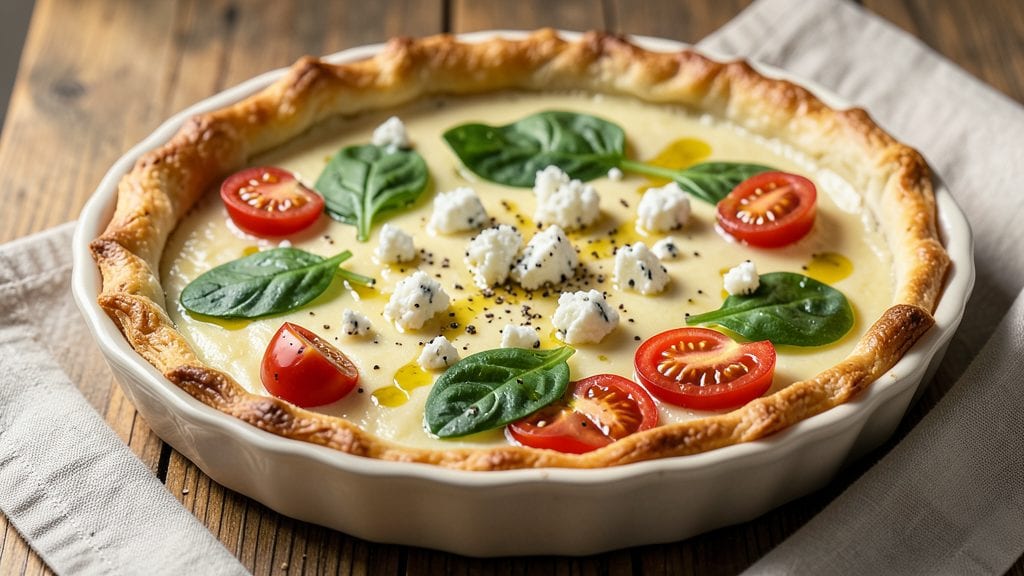
This feta cheese quiche recipe delivers the perfect balance of flaky crust and gooey, salty-sweet centers—a brunch staple that feels both comforting and refined. ✨ The secret lies in a precisely blind-baked crust that stays crisp while supporting a rich egg mixture infused with tangy feta, fresh herbs, and a touch of lemon zest for brightness.
I've tested countless variations, and this method consistently produces a quiche with layers of texture and flavor that make it worth waking up for.
The beauty of this recipe is its versatility—whether you prefer a classic version with just feta and eggs or want to add spinach, sun-dried tomatoes, or caramelized onions, the foundation remains the same.
A foolproof crust technique ensures you won’t end up with a soggy bottom, while the filling bakes to just the right consistency: creamy yet set, with pockets of melted feta that pull and stretch with every bite.
The aroma alone will have your kitchen smelling like a Parisian café by the time it emerges from the oven.
What makes this quiche truly special is how it elevates a simple breakfast into something memorable—golden edges, tender centers, and that irresistible salty-sweet contrast from the feta.
It’s the kind of dish that works equally well for a weekend brunch, a light lunch, or even a dinner party appetizer. Serve it warm with a simple arugula salad or crusty bread to soak up every last bit of that creamy goodness.
Ready to master this technique? The crust requires a little patience, but the results are worth it—crisp, shatteringly thin, and perfectly baked to support the filling without overpowering it. Let’s get started on creating a quiche that’s as impressive as it is delicious.
Ingredients for feta cheese quiche
Six essential ingredients transform into a quiche with layers of texture and flavor.
| Ingredient | Amount | Notes |
|---|---|---|
| Unsalted Butter 🧈 | 1 cup | Cold, cubed for crust |
| All-Purpose Flour 🌾 | 2 cups | Sifted, plus extra for dusting |
| Diamond Crystal Kosher Salt 🧂 | ½ tsp | For crust and filling |
| Freshly Ground Black Pepper 🌶️ | ¼ tsp | Freshly cracked for crust |
| Large Eggs 🥚 | 6 whole | Room temperature for filling |
| Heavy Cream 🥛 | 1 cup | Full-fat for richness |
| Crumbled Feta Cheese 🧀 | 1 ½ cups | High-quality, crumbled by hand |
| Fresh Chives 🌿 | ¼ cup | Finely chopped, for garnish |
| Lemon Zest 🍋 | 1 tbsp | From organic lemon |
| Extra-Virgin Olive Oil 🫒 | ½ cup | For brushing crust |
| Freshly Grated Parmesan Cheese 🧀 | ½ cup | For filling enhancement |
| Fresh Dill 🌿 | ¼ cup | Chopped, for herbaceous depth |
| Granulated Sugar 🍚 | 1 tbsp | Balances feta tang |
The unsalted butter is non-negotiable for that flaky, shatteringly thin crust—look for European-style butter with at least 82% fat content. Plugrá or Kerrygold deliver superior flavor, but any high-quality brand works. The all-purpose flour should be sifted for a lighter crust; King Arthur or Gold Medal are reliable choices. For the filling, crumbled feta must be high-quality—Kalamata or domestic feta from the deli section, not the pre-shredded kind. The Diamond Crystal kosher salt is preferred for its coarse texture, which dissolves better in the crust. Fresh herbs like chives and dill elevate the dish—grab them from the store's refrigerated section where they're most likely to be freshest.
No heavy cream? Whole milk plus 2 tbsp melted butter mimics the richness, though texture will be slightly lighter. Substituting Greek yogurt for half the heavy cream adds protein but may alter creaminess. For the feta cheese, ricotta or goat cheese can replace up to half, though flavor will shift. The lemon zest can be omitted if you lack fresh lemons, but the extra-virgin olive oil is critical—California avocado or Italian varieties provide the best flavor profile. If you're missing fresh dill, dried works at one-third the amount, though fresh is ideal. The Parmesan cheese adds depth; Parmigiano-Reggiano is preferred over pre-grated varieties.
The butter for the crust should be kept cold until mixing to prevent a tough pastry. Store the sifted flour in an airtight container to maintain freshness. The feta cheese keeps for up to 2 weeks in its original packaging, while the fresh herbs last 5-7 days wrapped in damp paper towels. The crust dough can be prepped a day ahead and chilled, while the filling mixture holds for 24 hours before baking. Once baked, the quiche reheats beautifully—350°F for 15 minutes restores its creamy perfection. Portion into slices for easy serving, and store leftovers covered for 4 days in the refrigerator.
Why You'll Love This Recipe
- Five-Ingredient Magic: I swear, this quiche only needs butter, flour, salt, pepper, and eggs—but somehow, it still feels like a restaurant dish. The crust comes together with cold butter and flour in seconds, no chilling required, and the filling? Just cracked eggs, a handful of feta, and a pinch of salt. Honestly, it’s the kind of recipe that makes me feel like a genius when I pull it off.
- Salty Creamy Bliss: That first bite of crispy, flaky crust with the creamy, tangy feta melting into the egg? It’s the kind of flavor combo that makes me pause mid-bite. The feta’s briny punch cuts through the richness of the eggs, and the black pepper adds this little kick that keeps it from being too heavy. Between us, I’ve made this for brunch, lunch, and even a quick dinner—it’s that good.
- Weeknight Hero: This is my go-to when I’m too tired to think but still need something hearty. The crust goes in the oven while I whip the filling, and the whole thing bakes in under 30 minutes. I’ll be real: it’s not the prettiest, but the taste makes up for it. Plus, it’s the kind of dish that feeds a crowd or just me and my takeout containers—no judgment.
- Leftovers? Never: I make this so often, I’ve stopped pretending I won’t eat it cold the next day. The crust stays crispy, the filling holds together, and honestly? It’s even better the second time around. And since it’s just eggs, cheese, and a little butter, it’s one of those recipes that’s always budget-friendly. I’ve even frozen slices for lazy mornings—no one has to know.
Step-by-step instructions for feta cheese quiche
Master this classic technique for a golden crust that shatters at the touch and a filling so rich it practically melts.
👨🍳 Step 1: Prepare the Crust for Maximum Flakiness
In a large bowl, combine the 1 cup cold, cubed unsalted butter with the 2 cups sifted all-purpose flour and 0.5 tsp diamond crystal kosher salt. Using a pastry cutter or your fingers, work the butter into the flour until you achieve pea-sized crumbs with some slightly larger pieces remaining. This texture is crucial—it creates those signature flaky layers when baked.
I like to press the mixture together just until it begins to hold, then flatten it into a disc. Wrap it tightly in plastic wrap and refrigerate for at least 1 hour (or up to 2 days). Cold butter is non-negotiable here—it prevents the crust from becoming tough. When ready to roll, work quickly on a lightly floured surface to prevent warming.
🥘 Step 2: Build the Filling with Balanced Flavors
Preheat your oven to 375°F. Roll out the chilled dough between two sheets of parchment paper to fit a 9-inch pie dish, leaving a ½-inch overhang on all sides. Gently transfer it to the dish, trim the excess, and prick the bottom with a fork. Line with parchment, fill with pie weights or dried beans, and blind-bake for 15 minutes until lightly golden.
While the crust bakes, whisk together the 6 room-temperature eggs, 1 cup heavy cream, 1.5 cups crumbled feta cheese, 0.5 cup freshly grated parmesan cheese, 1 tbsp lemon zest, 1 tbsp granulated sugar, 0.25 tsp freshly ground black pepper, 0.25 cup chopped fresh dill, and 0.25 cup chopped fresh chives. Here's the thing—don't overmix. Just stir until the feta is evenly distributed. The sugar balances the feta's saltiness while the lemon zest brightens the rich filling.
🍳 Step 3: Assemble and Bake to Golden Perfection
Remove the pie weights and bake the crust uncovered for an additional 5 minutes to ensure it's fully set. Pour the egg mixture into the hot crust, spreading it evenly with a spatula. The filling should reach just below the crust's edge—this prevents sogginess. Here's a pro tip: Gently press down on the filling with the back of a spoon to eliminate any air pockets.
Return to the oven and bake for 35-40 minutes until the filling is just set but still slightly wobbly in the center (it'll continue cooking as it cools). The edges should be golden brown with a few spots of deeper color. If the crust begins to brown too quickly, loosely cover it with aluminum foil. The quiche is ready when it reaches 160°F internally and pulls away cleanly from the edges.
⏰ Step 4: Rest and Serve for Optimal Texture
Let the quiche cool in the oven for 10 minutes with the door slightly ajar, then transfer it to a wire rack. This gradual cooling prevents cracking. Allow it to rest for at least 1 hour before slicing—this crucial step lets the filling set properly and redistributes the juices for maximum creaminess.
When ready to serve, run a sharp knife around the edge to loosen, then slice into wedges. The crust should shatter slightly with each bite, revealing a golden interior. The filling should be rich and custardy with pockets of gooey feta throughout. For extra presentation, drizzle with a little extra-virgin olive oil and sprinkle with additional fresh dill. Serve warm with a crisp green salad for balance.
Pro Tips For Making Feta Cheese Quiche
- Preheat Crust First: I learned this the hard way—skipping this step makes the crust soggy. Before adding the filling, blind-bake the crust for 8–10 minutes at 375°F (190°C) with pie weights or dried beans. The butter in the crust needs time to render, or your quiche will turn into a sad, greasy mess.
- Use Cold Butter: Cut that unsalted butter into tiny cubes and toss it into the flour mixture cold—no need to soften it. The cold butter creates flaky layers in the crust, while warm butter just melts into a dense, cakey disaster. Trust me, your future self will notice the difference.
- Drain the Feta: Feta’s salty brine is sneaky—it makes the filling watery and dull. Press it between paper towels for 10 minutes before adding it to the quiche. Even if you’re in a rush, this step keeps the texture creamy and the flavor sharp.
- Bake Low and Slow: Quiches look done at 350°F (175°C), but that’s where they seem done. Reduce heat to 325°F (160°C) halfway through to let the eggs set evenly without curdling. I used to rush it, and the top would cook too fast while the bottom stayed raw—now I just wait, and the custard turns silky.
Regional styles of these flavors
Greek-Inspired Feta Quiche
Inspired by Greek cuisine, this version swaps the classic crust for a phyllo dough base, brushed with olive oil and sprinkled with sesame seeds for a nutty crunch.
Use 2 cups crumbled feta (about 2.5 cups total) and fold in ½ cup chopped kalamata olives and ¼ cup crumbled feta-stuffed grape leaves for authentic Mediterranean flavor. Top with 1 tbsp dried oregano and 1 tsp red pepper flakes before baking. 🌿
French Rustic Tart
For a rustic twist, press a puff pastry crust into a 10-inch tart pan (no need for a pie dish). After blind-baking, spread the filling and top with thinly sliced pearl onions caramelized in 1 tbsp butter and 1 tsp honey.
Finish with a sprinkle of flaky sea salt and extra-virgin olive oil for a refined French bistro vibe. This version pairs beautifully with a Sancerre white wine.
Mediterranean Herb Quiche
Elevate the classic with a herb-infused crust: mix 1 tbsp chopped fresh rosemary and 1 tbsp chopped fresh thyme into the dough before rolling. For the filling, add ½ cup chopped sun-dried tomatoes (oil-packed) and ¼ cup chopped artichoke hearts.
Finish with a drizzle of balsamic glaze and extra herbs for a vibrant, herb-forward quiche that’s perfect for summer brunch. ✨
Spanish Tortilla-Inspired
Blend quiche and Spanish tortilla by adding 1 cup thinly sliced potatoes (parboiled and cooled) and ½ cup chopped onions to the filling. Use 1 cup crumbled Manchego cheese instead of feta for a sharper, nuttier flavor.
Top with smoked paprika and serve with a side of romesco sauce for a bold, savory twist that’s ideal for tapas-style gatherings.
Italian White Bean Quiche
For a heartier version, fold 1 cup cannellini beans (rinsed and drained) into the filling along with ½ cup grated Pecorino Romano. Add 1 tsp dried basil and ½ tsp garlic powder for an Italian-inspired quiche.
Garnish with fresh basil leaves and a sprinkle of crispy prosciutto for a protein boost that’s perfect for a light dinner.
Nutrition facts
Frequently asked questions
Can I make this feta quiche without a pie crust?
For a crustless version, whisk 6 eggs with 1 cup heavy cream, 1.5 cups feta, and your seasonings, then pour into a greased 9-inch oven-safe skillet. Bake at 350°F for 30-35 minutes until set. The texture will be denser but still creamy—great for a quick breakfast option.
Why does my quiche crust get soggy?
Soggy crusts happen when moisture seeps through. Always blind-bake the crust for 15-20 minutes before adding filling, and ensure the filling doesn’t touch the crust edges. For extra insurance, brush the baked crust with a thin layer of egg wash before adding the filling. Preheating your pie dish also helps create a barrier.
How can I make this quiche ahead of time?
You can prep the crust dough 1 day ahead and chill it. For the filling, mix all ingredients (except eggs) and store in the fridge for 24 hours. When ready to bake, whisk in the eggs and proceed as directed. The fully baked quiche keeps well for 4 days in the fridge—reheat at 350°F for 15 minutes to restore creaminess.
What’s the best way to reheat leftover quiche?
Slice the quiche into wedges and reheat in a 350°F oven for 10-15 minutes until warm through. For microwave reheating, cover with a damp paper towel and heat in 20-second intervals at 50% power until just warm. Avoid high heat to prevent rubbery crust or dry filling. The oven method preserves texture best.
Can I substitute feta with another cheese?
Yes! For a milder flavor, use ricotta or goat cheese (reduce to 1 cup and add ½ cup milk for creaminess). For a sharper taste, try Parmesan or Pecorino, but reduce to ½ cup since these cheeses are saltier. The key is balancing saltiness—adjust other seasonings accordingly.