
Salads
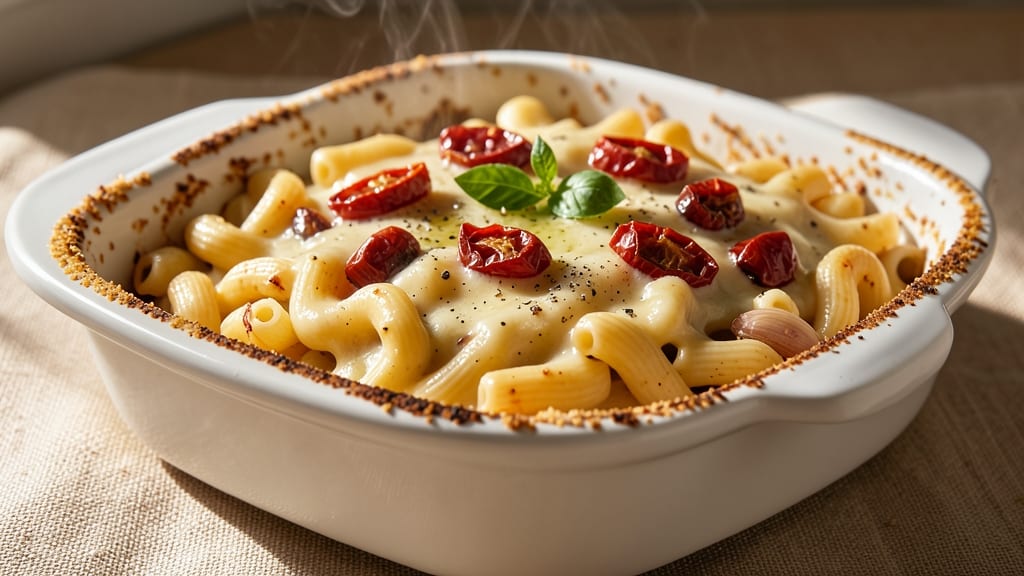
This macaroni and cheese with tomatoes recipe transforms a childhood classic into a sophisticated comfort dish that balances creamy richness with bright, tangy sun-dried tomatoes. The secret lies in caramelizing the tomatoes before folding them into the sauce—this creates a deep, savory-sweet contrast that elevates every bite.
I perfected this version after years of experimenting with ways to add depth to traditional mac and cheese without compromising its velvety texture.
The process is straightforward but precise: al dente pasta meets a carefully tempered cheese sauce infused with sun-dried tomatoes and a touch of garlic. What sets this apart is the technique of blooming spices in the butter before adding flour, which builds layers of flavor that simmer into the sauce.
The result is a dish that’s both nostalgic and refined—creamy enough to satisfy cravings but bright enough to feel like a gourmet twist.
By the time it comes out of the oven, you’ll have golden, bubbling macaroni and cheese where each forkful delivers tender pasta, melted cheese, and bursts of sun-dried tomato flavor.
The sauce clings perfectly to the noodles, and the tomatoes add a subtle chewiness that keeps the dish interesting. This is comfort food reimagined—rich, flavorful, and impossible to resist.
Pair it with a simple side salad or crusty bread to soak up every last bit of that cheesy, tomato-infused goodness. The recipe scales effortlessly for gatherings, and leftovers reheat beautifully. Let’s get cooking—this dish deserves a place at your table.
Ingredients for macaroni and cheese with tomatoes
Pantry staples meet sun-dried tomatoes for a creamy, tomato-infused mac and cheese that balances comfort with sophisticated depth.
| Ingredient | Amount | Notes |
|---|---|---|
| Elbow Macaroni 🍝 | 12 oz | Al dente cooking time critical |
| Unsalted Butter 🧈 | ½ cup | Cold, cubed for blooming spices |
| All-Purpose Flour 🌾 | ½ cup | Sifted for smooth sauce texture |
| Sun-Dried Tomatoes 🍅 | ½ cup | Oil-packed, chopped fine |
| Garlic Cloves 🧄 | 3 cloves | Minced, for deep flavor base |
| Whole Milk 🥛 | 2 cups | Full-fat for creamy texture |
| Sharp Cheddar Cheese 🧀 | 2 cups | Shredded, aged 6+ months |
| Gruyère Cheese 🧀 | 1 cup | Shredded, nutty depth |
| Dry White Wine 🍷 | ¼ cup | Sauvignon Blanc preferred |
| Dijon Mustard 🍯 | 1 tbsp | For subtle tang balance |
| Ground Nutmeg 🌿 | ¼ tsp | Freshly grated preferred |
| Kosher Salt 🧂 | 1 ½ tsp | Adjust to taste |
| Black Pepper 🌶️ | ½ tsp | Freshly cracked |
| Panko Breadcrumbs 🍞 | ¼ cup | For crispy topping |
| Extra-Virgin Olive Oil 🫒 | 1 tbsp | For drizzling on tomatoes |
The sun-dried tomatoes are the game-changer here. Oil-packed varieties from Trader Joe's or Whole Foods deliver the most concentrated flavor—avoid the dried kind from the canning aisle. Chop them finely so they distribute evenly throughout the sauce. The Gruyère is non-negotiable for that nutty complexity, but Emmental works in a pinch. For the pasta, elbow macaroni holds the sauce best, but any short shape will work. Bloom your spices in cold butter before adding flour—this step builds flavor layers that simmer into the sauce beautifully.
No sun-dried tomatoes? Roasted cherry tomatoes with a pinch of salt and olive oil work surprisingly well. Short on Gruyère? Extra sharp cheddar plus a splash of heavy cream mimics the richness. The white wine adds brightness—substitute chicken broth with lemon juice if you're avoiding alcohol. For the mustard, Dijon mustard powder can replace the paste at half the amount. The nutmeg should be freshly grated if possible, but ground works fine. Don't skip the blooming step—it's what makes this sauce taste restaurant-quality.
This reheats beautifully—just add a splash of milk to loosen the sauce. Keeps 4-5 days in the fridge, freezes for 3 months (though texture changes slightly). For extra crispiness, broil the breadcrumb topping for 2-3 minutes at the end. Portion into individual ramekins before baking for elegant servings. The sauce thickens as it cools, so don't overmix when combining with pasta—just enough to coat the noodles evenly.
Why You'll Love This Recipe
- One-Pot Magic: I swear by this recipe when I’m too tired to scrub pots—just toss everything in one skillet, stir, and walk away. The sun-dried tomatoes melt right into the cheese sauce, so you’re not left with a messy cleanup.
- Sunny, Savory Kick: That burst of oil-packed sun-dried tomatoes and garlic? It transforms basic mac and cheese into something sophisticated without extra effort. The tomatoes add a tangy richness that cuts through the creaminess perfectly.
- Lunchbox Hero: Between us, this is my go-to for school lunches or office meals. The flavors hold up all day, and the pasta stays al dente even when reheated. (Yes, even on a Tuesday night.)
- Budget-Friendly Luxury: You’re using pantry staples—flour, butter, pasta—but the sun-dried tomatoes make it feel like a restaurant dish. I’ve made this for $3 a serving, and no one ever guesses it’s cheap.
Step-by-step instructions for macaroni and cheese with sun-dried tomatoes
This elevated twist on a classic delivers rich, creamy comfort with Mediterranean brightness.
Create the Sun-Dried Tomato Base
In a medium skillet, heat the 1 tablespoon extra-virgin olive oil over medium heat. Add the 0.5 cup sun-dried tomatoes and cook for 3-4 minutes until softened and fragrant. Remove from heat and set aside—this concentrated tomato flavor will anchor your sauce.
In the same skillet, add the 0.5 cup unsalted butter and melt completely. Stir in the 3 cloves minced garlic and cook for 30 seconds until golden but not browned. Immediately add the 0.5 cup all-purpose flour and whisk vigorously for 1-2 minutes until the roux turns a pale golden color—this creates the velvety texture that defines great mac and cheese.
Build the Cheese Sauce
Slowly pour in the 2 cups whole milk while whisking continuously to prevent lumps. Cook over medium-low heat for 5-7 minutes until the mixture thickens enough to coat the back of a spoon. This gradual heating prevents curdling and develops a silky consistency.
Reduce heat to low and stir in the 2 cups sharp cheddar cheese and 1 cup gruyère cheese until completely melted and smooth. Add the 1 tablespoon Dijon mustard, 0.25 teaspoon ground nutmeg, 1.5 teaspoons kosher salt, and 0.5 teaspoon black pepper. The nutmeg adds warmth while the mustard brightens the richness—this is where the classic comfort meets sophisticated flavor.
Cook the Pasta to Perfection
Bring a large pot of well-salted water to a rolling boil. Add the 12 oz elbow macaroni and cook until 1 minute before the package's recommended al dente time. Reserve 1 cup pasta water before draining—this starchy liquid is essential for adjusting the sauce consistency later.
Add the drained pasta to the cheese sauce and toss gently to coat completely. If the sauce appears too thick, add pasta water 1 tablespoon at a time until it reaches a creamy, clingy consistency that coats each noodle perfectly. The sauce should be thick enough to cling but still flow smoothly—this balance is key to that restaurant-quality texture.
Finish and Top with Crispy Breadcrumbs
Return the sauce to medium heat and stir in the 0.25 cup dry white wine, scraping up any browned bits from the bottom of the pan. Add the reserved sun-dried tomatoes with their oil and toss to distribute evenly. The wine deglazes the pan while adding subtle acidity that cuts through the richness.
For the final touch, transfer the macaroni to a serving dish and top with 0.25 cup panko breadcrumbs. Broil for 2-3 minutes until golden brown and crispy—this adds delightful texture contrast to each bite. Serve immediately while the breadcrumbs are still crisp and the cheese sauce is at its creamiest.
Pro Tips For Making Macaroni And Cheese With Tomatoes
- Toast the Tomatoes First: Chop those sun-dried tomatoes and toss them in a dry pan over medium heat for 30 seconds before adding to the roux. The oil in them will bloom, deepening their flavor—no extra fat needed, and it cuts down on the butter you’ll waste otherwise.
- Use Cold Butter: Cut your unsalted butter into cubes and refrigerate them for 10 minutes before making the roux. Cold butter emulsifies better with the flour, giving you a smoother sauce instead of a clumpy mess. (Yes, even if you’re impatient like me.)
- Don’t Overcook the Pasta: Pull the elbow macaroni out when it’s just al dente—about 1 minute before the package says. It’ll finish cooking in the sauce, and undercooked noodles turn mushy when left too long in liquid. Trust the taste test, not the clock.
- Bloom the Garlic Separately: Sauté minced garlic in 1 tablespoon of butter for 30 seconds until fragrant but not browned before adding it to the roux. This prevents burning and lets the garlic’s sweetness shine without bitterness. (Skip the oil—it’s unnecessary here.)
Common mistakes when making this recipe
Overcooking the Pasta
I’ve ruined more mac and cheese than I’d like to admit by overcooking the pasta—once it’s mushy, there’s no bringing it back. Cook your 12 oz elbow macaroni until it’s just 1 minute shy of al dente.
The pasta will finish cooking in the hot cheese sauce, and this ensures perfect texture. Taste-test a piece before draining—it should have a slight bite. 🍝
Skipping the Roux
The roux is what transforms this from ordinary to extraordinary. When I first tried this recipe without blooming the flour in butter, the sauce was thin and flavorless.
Always cook the 0.5 cup flour in 0.5 cup butter until it reaches a pale golden color—this creates the velvety texture that makes great mac and cheese. Skipping this step is a rookie mistake that I’ve seen too often.
Adding Cheese Too Fast
Dumping all the cheese into the sauce at once is a recipe for disaster—it can cause clumping and uneven melting. Instead, add the 2 cups cheddar and 1 cup Gruyère gradually, stirring constantly over low heat.
If you’re in a hurry, try grating the cheese yourself instead of using pre-shredded—it melts more smoothly. I’ve had to start over twice because of this common error.
Ignoring the Pasta Water
The starchy pasta water is your secret weapon for adjusting sauce consistency. If your sauce is too thick after combining with pasta, don’t panic—just add 1 tablespoon at a time of reserved pasta water.
I’ve seen people try to fix this by adding milk, but pasta water has the perfect starch content to loosen the sauce without thinning it out. Keep 1 cup reserved before draining the pasta.
Broiling Breadcrumbs Too Long
Those crispy breadcrumbs are the perfect finishing touch, but they can turn into burnt bits if you’re not careful. Broil the 0.25 cup panko breadcrumbs for only 2-3 minutes—any longer and they’ll darken quickly.
Keep a close eye on them, and if your oven runs hot, reduce the time to 1-2 minutes. I’ve had to scrape off charred bits more times than I’d like to admit. 🔥
Using Low-Quality Cheese
Not all cheeses are created equal, and this is especially true for mac and cheese. Pre-shredded cheese often contains anti-caking agents that prevent smooth melting. Instead, use sharp cheddar aged 6+ months and freshly grated Gruyère.
The flavor difference is night and day. I’ve tried shortcuts with store-brand cheese, and while it works, it never tastes as rich or complex as the real deal.
Nutrition facts
Frequently asked questions
Can I use fresh tomatoes instead of sun-dried?
For fresh tomatoes, roast 1 cup cherry tomatoes with 1 tablespoon olive oil, ½ teaspoon salt, and ½ teaspoon garlic powder at 400°F for 15 minutes until caramelized. Chop them finely and fold into the sauce just before serving. This adds natural sweetness and juiciness that complements the creamy cheese beautifully.
Why does my cheese sauce get grainy?
Graininess usually happens when cheese melts unevenly or the sauce cools too quickly. Always add cheese gradually over low heat while stirring constantly. For smoother results, grate your own cheese instead of using pre-shredded (which contains anti-caking agents). If it still happens, whisk in 1 tablespoon cold milk to emulsify the sauce. Patience is key—rushing this step ruins the texture!
What's the best way to make this vegetarian?
This recipe is already vegetarian-friendly! Just ensure your butter is dairy-free if needed, and verify your Gruyère and cheddar are vegetarian (some cheeses use animal rennet). For extra protein, stir in ½ cup cooked chickpeas or ½ cup crumbled tofu at the end. The sun-dried tomatoes add plenty of umami to satisfy meat lovers too.
Can I make this ahead of time?
Yes, but with a few adjustments. Assemble the dish (without topping) up to 2 days ahead and refrigerate. When ready to serve, reheat covered in a 350°F oven for 20-25 minutes, stirring once halfway. For the crispy breadcrumb topping, add it fresh before broiling for 2-3 minutes at the end. The sauce may thicken slightly when chilled—just add a splash of milk when reheating.
What's the secret to getting that perfect golden crust?
The golden crust comes from two key steps: toasting the breadcrumbs with a little olive oil before adding them, and broiling just until they're golden (not browned). For extra richness, mix 1 tablespoon melted butter into the breadcrumbs before topping. Watch closely—they burn faster than you think! A 2-3 minute broil time works for most ovens, but reduce if yours runs hot.