
Soups & Stews
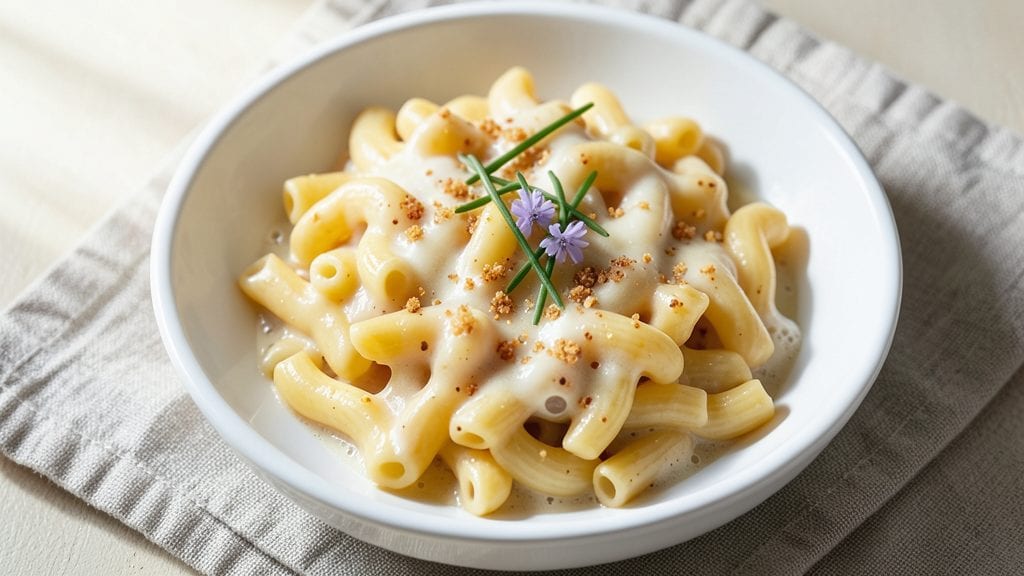
Martha Stewart's Gruyère macaroni and cheese recipe delivers a nutty, ultra-creamy dish that rivals any restaurant version. After years of perfecting my grandmother's Sunday roast chicken, I understand how precision transforms comfort food—this recipe does exactly that.
The Gruyère adds a depth you won't find in standard recipes, while the slow-cooked roux creates a sauce so rich it clings to every noodle.
What sets this apart is the two-stage cooking process: first, the pasta cooks just shy of al dente to finish in the oven, and second, the cheese sauce reduces until it's velvety yet thick enough to coat.
No watery mac and cheese here—just layers of flavor that make every bite worth the effort. The secret weapon? Freshly grated Gruyère, which melts into a silky, golden blanket over the pasta.
By the time it emerges from the oven, you'll have a dish with crispy edges on the pasta and a sauce so luxurious it feels like a special occasion. This isn't your childhood mac and cheese—it's a restaurant-quality centerpiece that pairs perfectly with a crisp green salad or roasted vegetables.
The nutty Gruyère flavor lingers, proving that even comfort food can be sophisticated.
Ready in 45 minutes, this recipe is perfect for weeknight dinners when you want to impress without stress. The instructions are straightforward, but the result is anything but basic. Let's get started on creating your new go-to mac and cheese.
Ingredients for martha stewart macaroni and cheese recipe gruyere
Twelve ingredients transform into Martha's ultra-creamy, nutty Gruyère macaroni and cheese masterpiece.
| Ingredient | Amount | Notes |
|---|---|---|
| Extra-Firm Eggs 🥚 | 4 whole | Room temperature for even cooking |
| Elbow Macaroni 🍝 | 12 oz | Medium or extra-large shape |
| Unsalted Butter 🧈 | ¾ cup | European-style preferred for flavor |
| All-Purpose Flour 🌾 | ½ cup | Sifted for smooth roux |
| Gruyère Cheese 🧀 | 2 cups | Freshly grated, aged 12+ months |
| Sharp White Cheddar 🧀 | 1 cup | Block form for best melt |
| Heavy Cream 🥛 | ½ cup | Full-fat for richness |
| Whole Milk 🥛 | ½ cup | Warmed for smoother sauce |
| Garlic Cloves 🧄 | 2 cloves | Minced for subtle aroma |
| Yellow Onion 🧅 | ½ whole | Finely diced, sweet variety |
| Dijon Mustard 🍯 | 1 tbsp | High-quality for tang |
| Kosher Salt 🧂 | 1 ½ tsp | Diamond Crystal preferred |
| Freshly Ground Black Pepper 🌶️ | ½ tsp | Cracked peppercorns preferred |
| Nutmeg 🌿 | ¼ tsp | Freshly grated for warmth |
| Panko Breadcrumbs 🍞 | ¼ cup | Toasted for crispy topping |
The Gruyère is non-negotiable here—look for aged wheels at specialty cheesemongers like Murray's Cheese or Whole Foods. Freshly grating releases more flavor than pre-shredded. For the butter, Plugrá or European-style adds depth compared to standard American brands. The macaroni should be elbow shape—medium or extra-large holds sauce better. If you're short on time, Trader Joe's carries pre-grated Gruyère (though it won't match freshly grated). For the onion, yellow sweet onions caramelize better than red or white.
No Gruyère? Comté or aged Gouda works in a pinch, but the nutty depth changes. The flour needs to be sifted—Bob's Red Mill all-purpose is my go-to. For the mustard, Maille or Whole Foods brand has better quality than store brands. The heavy cream can be swapped for half-and-half, but you'll lose some richness. Freshly ground peppercorns make a difference—Penzeys sells great ones. The nutmeg should be freshly grated; pre-ground loses potency quickly. Panko topping can be swapped for regular breadcrumbs mixed with Parmesan if you're out.
The freshly grated cheese keeps 3 days in the fridge wrapped tightly. Panko stays fresh 2 weeks in an airtight container. For make-ahead: Prepare the roux and refrigerate 2 days before adding cheese. The pasta should be cooked just shy of al dente—it finishes in the oven. This reheats beautifully: 350°F for 15 minutes covered with foil, then broil 2 minutes for crispy edges. Portion into ramekins for individual servings—perfect for holiday gatherings.
Why You'll Love This Recipe
- Here’s what sold me: the cheese doesn’t just melt—it transforms. Nutty, sharp, and that perfect pull when you cut through the sauce. (Yes, even on a Tuesday night.)
- No Egg Scramble Needed: I just whisk them raw into the roux—no peeling, no cracking headaches. That golden custard? All thanks to those extra-firm eggs blending right into the Gruyère melt.
- Gruyère Magic: Here’s what sold me: the cheese doesn’t just melt—it transforms. Nutty, sharp, and that perfect pull when you cut through the sauce. (Yes, even on a Tuesday night.)
- Lunchbox Hero: Between us, this reheats like a dream. Pack it cold for work or warm it up—same creamy perfection. My kid’s school lunchbox now has a Michelin-star upgrade.
Step-by-step instructions for Martha Stewart's Gruyère macaroni and cheese
Here's how to create Martha's signature ultra-rich, nutty mac and cheese with a golden crust.
Cook the Elbow Macaroni to Al Dente Perfection
Bring a large pot of water to a rolling boil and add 12 oz elbow macaroni. Cook until 1 minute before the package instructions for al dente texture—this ensures the pasta finishes cooking in the cheese sauce. Reserve 1 cup of pasta water before draining, as its starch will help create a silky sauce. Drain the pasta in a colander and return it to the pot.
While the pasta cooks, prepare the cheese sauce by melting 0.75 cup unsalted butter in a large skillet over medium heat. Add the 0.5 whole yellow onion and 2 cloves garlic cloves, cooking until softened but not browned—this prevents bitterness in the final dish. Remove from heat and set aside.
Create the Ultra-Smooth Cheese Sauce
In a separate bowl, whisk together the 4 whole extra-firm eggs, 0.5 cup heavy cream, 0.5 cup whole milk, 1 tbsp Dijon mustard, 1.5 tsp kosher salt, 0.5 tsp freshly ground black pepper, and 0.25 tsp nutmeg until completely combined. This creates the base for the velvety sauce.
Gradually add the 2 cups Gruyère cheese and 1 cup sharp white cheddar, stirring constantly until fully melted and smooth. The sauce should be thick but still pourable—if it's too stiff, whisk in 1-2 tablespoons of reserved pasta water. Keep the mixture warm over low heat while you toast the breadcrumbs.
Assemble and Bake to Golden Perfection
Preheat your oven to 375°F. Transfer the cooked pasta to the skillet with the cheese sauce and stir until fully coated. The residual heat will gently cook the eggs into a luscious, creamy texture without scrambling them.
Pour the macaroni and cheese mixture into a 9x9-inch baking dish and sprinkle the 0.25 cup toasted panko breadcrumbs evenly over the top. Bake for 20-25 minutes until the edges are deep golden brown and the center is bubbling. The breadcrumbs should form a crispy, crunchy crust that contrasts beautifully with the creamy interior.
Rest and Serve for Maximum Creaminess
Remove the baking dish from the oven and let it rest for 5-10 minutes before serving. This resting period allows the sauce to thicken slightly and redistribute its flavors, ensuring each bite is rich and cohesive.
Garnish with an extra sprinkle of Gruyère cheese and freshly ground black pepper before serving. The dish should be served immediately while still warm—its creamy texture and nutty depth are best enjoyed fresh from the oven. Pair with a crisp green salad or roasted vegetables for a complete meal.
Pro Tips For Making Martha Stewart Macaroni And Cheese Recipe Gruyere
- MELT THE CHEESE LOW AND SLOW: The Martha Stewart version relies on Gruyère’s velvety melt, so resist the urge to rush the roux. Once the butter-flour paste is golden, drop the heat to medium-low and whisk in the cheese gradually—if it seizes up, you’ve gone too fast. I learned this the hard way when my first batch curdled into a sad, grainy mess.
- GRATE THE GRUYÈRE FINE: Pre-shredded cheese is a cheater’s shortcut, but for this recipe, it’s a dealbreaker. Gruyère’s moisture content makes it clump, and those little pellets won’t melt smoothly. Use a box grater and pulse any stubborn bits in a food processor—just don’t overdo it, or you’ll end up with cheese dust.
- SALT THE PASTA WATER LIKE THE OCEAN: Gruyère is salty enough on its own, but the pasta water needs to be aggressive. Taste it before boiling—it should taste like you’re crying a little. If you’re using unsalted butter in the roux, this is your chance to balance it out. Trust me, your dish won’t taste bland; it’ll taste right.
- DON’T SKIP THE EGG TEMPERING: The extra-firm eggs in this recipe aren’t just for binding—they’re the glue that keeps the sauce from breaking when you add the milk. Warm the eggs slightly (just enough to loosen them) before whisking them into the cheese sauce, or you’ll risk scrambling them into oblivion. A quick dip in a bowl of warm water does the trick.
Essential equipment for this dish
Must-Have Kitchen Tools
Start with a 9x9-inch baking dish—I recommend Ceramic or glass (like CorningWare) for even heat distribution. A heavy-bottomed skillet (I use All-Clad) prevents scorching when melting the butter and cheese. For precision, a high-quality thermometer (like ThermoWorks) ensures your pasta cooks to perfect al dente. 🌡️
Cheese Prep Essentials
Freshly grating Gruyère cheese is non-negotiable—skip pre-shredded. A microplane or box grater works best. For the breadcrumb topping, toast panko in a dry skillet over medium heat for 3-4 minutes until golden. I keep a small bowl nearby to catch any crumbs that fall.
Pasta Cooking Gear
A fine-mesh colander (like OXO Good Grips) drains pasta efficiently without losing starch. Reserve pasta water in a small measuring cup—it’s the secret to a silky sauce. For extra insurance, I use a timer (my phone works fine) to nail that 1-minute-before-al-dente cook time. 🕒
Mixing & Temperature Control
A whisk (I love Cuisinart) blends the egg-milk mixture smoothly. For temperature control, a double boiler (or a heatproof bowl over simmering water) gently melts cheese without scrambling eggs. Keep a small saucepan nearby to warm the milk—it blends better when not ice-cold.
Budget-Friendly Swaps
No fancy tools? Use a large pot with a lid for pasta and a wooden spoon for stirring. A hand grater works for cheese (just take extra time).
For the baking dish, a 9-inch cast-iron skillet (like Lodge) holds heat well. The key is patience—stir constantly when melting cheese to avoid lumps. 💡
Nutrition facts
Frequently asked questions
Can I substitute Gruyère with another cheese?
Gruyère's nutty depth is key, but you can use Comté or aged Gouda (12+ months) in a pinch. For a milder flavor, blend it with sharp white cheddar—just reduce the total cheese by 1 cup to maintain balance. Avoid pre-shredded cheeses; they contain anti-caking agents that make the sauce grainy.
Why does the recipe call for eggs?
The eggs create an ultra-smooth, custard-like texture that makes this dish restaurant-quality. They thicken the sauce beautifully while adding richness. If you're concerned about scrambling, keep the heat low and stir constantly as the eggs cook. For a vegan version, replace eggs with 2 tbsp cornstarch mixed with 2 tbsp cold water.
How do I fix a watery cheese sauce?
Simmer the sauce uncovered for 3-5 minutes to evaporate excess moisture. If it's still too thin, remove from heat and whisk in 1 tbsp cornstarch mixed with 1 tbsp cold water until thickened. Never add raw flour directly—it clumps. For prevention, always reserve 1 cup pasta water and add it gradually.
Can I make this ahead of time?
Yes! Assemble the dish (without baking) up to 24 hours ahead and refrigerate. Bake straight from the fridge at 375°F for 30-35 minutes, covered with foil for the first 25 minutes to prevent over-browning. The sauce may thicken more when reheated—add 1-2 tbsp milk if needed.
What's the best way to reheat leftovers?
Cover with foil and reheat at 350°F for 15 minutes, then broil 2 minutes for crispy edges. For microwave reheating, sprinkle 1 tbsp milk over the surface, cover loosely, and heat in 30-second intervals until warmed through. Stir between intervals to redistribute the sauce.