
Side Dishes
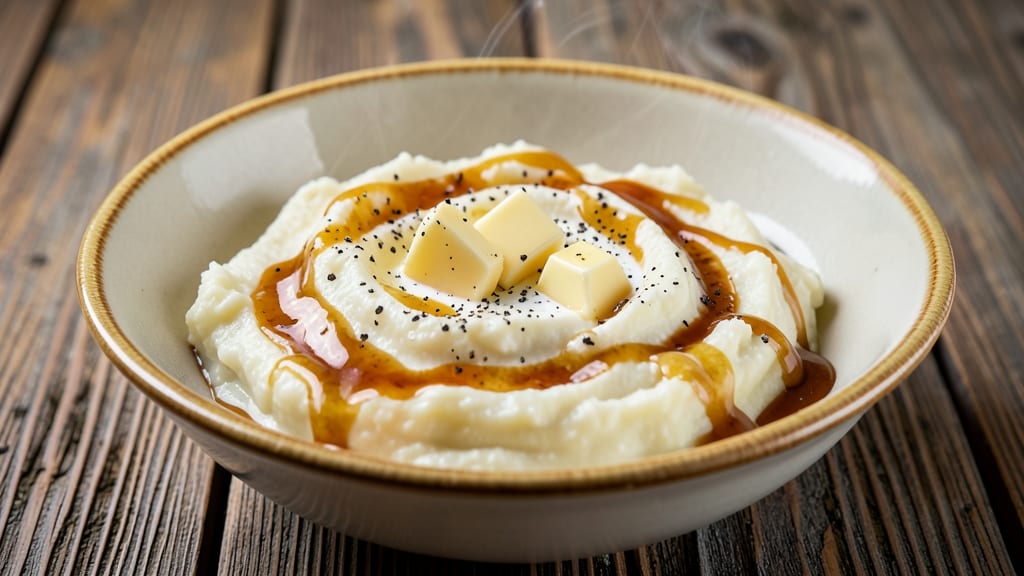
This mashed potatoes recipe with Philadelphia cream cheese delivers the ultra-smooth, velvety texture that turns ordinary sides into showstoppers. After years of perfecting Nana Mae's diner-style mashed potatoes, I discovered cream cheese transforms them from creamy to downright luxurious—rich, tender, and impossible to resist.
The secret lies in the ratio of cream cheese to butter and how you incorporate it while the potatoes are still piping hot.
What makes this recipe truly professional is the technique: boiling potatoes until fork-tender, draining completely, and then blending with warm cream cheese and butter for a silky finish. No lumps, no grittiness—just velvety perfection that holds its shape on the plate.
It takes about 30 minutes from start to finish, making it ideal for holiday dinners or weeknight meals when you want restaurant-quality sides without the fuss.
The result is mashed potatoes so smooth they almost defy belief—each bite is rich, creamy, and perfectly balanced between the tangy cream cheese and buttery richness. Garnish with fresh chives or a sprinkle of smoked paprika for extra flair, and you’ve got a side dish that steals the show.
This is the kind of recipe that makes even the simplest meal feel special.
Whether you're serving a Thanksgiving crowd or just craving comfort food, these mashed potatoes deliver every time. The cream cheese adds a velvety depth that elevates them beyond basic mashed potatoes, making them a standout side for any occasion. Let’s get started on creating your creamiest yet.
Ingredients for mashed potatoes recipe with philadelphia cream cheese
Six simple ingredients transform into velvety mashed potatoes that taste like a diner classic.
| Ingredient | Amount | Notes |
|---|---|---|
| Russet Potatoes 🥔 | 3 lb | Yukon Gold works too |
| Philadelphia Cream Cheese 🧈 | 8 oz | Full-fat, room temperature |
| Unsalted Butter 🧈 | ½ cup | Cold, cubed for blending |
| Whole Milk 🥛 | ½ cup | Warm for smooth texture |
| Salt 🧂 | 1 ½ tsp | Kosher or sea salt |
| Freshly Ground Black Pepper 🌶️ | ½ tsp | For subtle seasoning |
| Fresh Chives 🌿 | 2 tbsp | Chopped, for garnish |
| Smoked Paprika 🌶️ | ½ tsp | Optional for garnish |
The potatoes are everything here. Russets are classic for fluffy texture, but Yukon Golds give a creamier result—worth grabbing if you want that restaurant-style richness. Skip the pre-peeled bags; peeling and cubing yourself ensures even cooking. I always buy organic potatoes from Whole Foods or the bulk bins at Trader Joe's—they hold up better to boiling. If you're in a rush, the pre-cubed potatoes at Costco save time, but they're pricier. The secret? Boil them until completely tender—no one likes grainy mash. Test with a fork; it should slide in like butter.
No Philadelphia cream cheese? Cream cheese from a block works in a pinch, but it's not the same—Philadelphia's tangy richness is what makes these potatoes special. Butter substitutes? European-style butter has more fat, so use slightly less. For dairy-free, vegan butter plus a splash of coconut milk mimics the creaminess. The milk needs to be warm—just heat it for 30 seconds in the microwave to blend smoothly. Fresh chives are ideal, but dried chives at half the amount work if you're out. Smoked paprika adds depth; if you don't have it, regular paprika plus a pinch of cayenne gives a similar smoky kick.
These mashed potatoes reheat beautifully—just warm with a splash of milk to restore creaminess. Store in an airtight container for up to 5 days in the fridge. For holidays, double the batch and freeze half; thaw overnight in the fridge before reheating. I always make extra because leftovers taste even better the next day. Garnish with chives and paprika right before serving—it keeps everything fresh and vibrant. The cream cheese keeps for 2 weeks unopened, so grab an extra block if you're hosting.
Why You'll Love This Recipe
- Five-Ingredient Magic: I swear by this combo—peel and cube the Russets, boil ’em, and mash with cream cheese, butter, and milk. No fancy gadgets, no stress, just smooth, dreamy potatoes in under 20 minutes. (Yes, even on a Tuesday night.)
- Rich Without Effort: That block of Philadelphia melts into the warm potatoes like a velvet blanket—no need to strain or whip. The butter and milk round it out, but the cream cheese? That’s the secret weapon. One taste and you’ll understand why I keep a tub in the fridge.
- Weeknight to Holiday: Slap this on the table for a quick dinner or serve it at Thanksgiving—same recipe, different vibes. My kids ask for it after school, and my in-laws request it at family gatherings. It’s the Swiss Army knife of sides.
- Leftovers? Better Than Fresh: Honestly, this tastes even better the next day. The cream cheese softens just right, and the texture gets perfect—creamy but not gloppy. I make a double batch on Sundays so I’m not scrambling midweek. (Budget win, too.)
Step-by-step instructions for ultra-smooth mashed potatoes with cream cheese
Here's how to create restaurant-quality mashed potatoes with a velvety texture and rich cream cheese flavor.
Peel and Cube the Russet Potatoes
Start by thoroughly scrubbing the 3 lb russet potatoes under cold running water. Using a vegetable peeler or sharp knife, remove the skin completely—this ensures a smooth texture without any gritty bits. Cut the potatoes into even 1½-inch cubes for consistent cooking.
Place the cubed potatoes in a large pot and cover them completely with cold water. Add 1½ tsp of salt to the water and bring to a boil over medium-high heat. Once boiling, reduce the heat to medium and let the potatoes simmer for about 15 minutes, or until they're tender when pierced with a fork. Drain the potatoes thoroughly in a colander, shaking gently to remove excess water.
Mash the Potatoes with Butter and Cream Cheese
Return the drained potatoes to the pot and let them sit off the heat for 2 minutes to steam dry. This step prevents your mashed potatoes from becoming watery. Add the 0.5 cup of cold, cubed unsalted butter and the 8 oz of room temperature Philadelphia cream cheese to the warm potatoes.
Using a potato masher or wooden spoon, mash the potatoes until they're mostly smooth but still have some texture. The cream cheese will begin to melt and blend in, creating a rich base. For extra-smooth results, you can transfer the mixture to a stand mixer fitted with the paddle attachment and blend on low speed for 1 minute.
Incorporate Warm Milk for Ultra-Smooth Texture
Heat the 0.5 cup of whole milk in a small saucepan until it's warm to the touch but not boiling. Slowly pour the warm milk into the mashed potatoes while blending continuously with your mixer or masher. The warmth of the milk helps emulsify the cream cheese completely, creating that signature velvety texture.
Continue blending until the mixture is completely smooth and creamy. If the consistency is too thick, add 1-2 tablespoons of warm milk at a time until you reach your desired texture. Taste and adjust seasoning with additional salt or the 0.5 tsp of freshly ground black pepper if needed.
Garnish and Serve Immediately
Transfer the mashed potatoes to a serving bowl and let them rest for 5 minutes. This resting period allows the flavors to meld together and the texture to set slightly. Before serving, sprinkle the mashed potatoes with the 2 tbsp of chopped fresh chives and a pinch of the 0.5 tsp smoked paprika for a beautiful garnish and subtle smoky flavor.
Serve immediately while still warm. The cream cheese gives these mashed potatoes a luxurious, rich quality that pairs perfectly with roasted meats or as a comforting side dish. For best results, serve within 30 minutes to maintain that perfect creamy texture.
Pro Tips For Making Mashed Potatoes Recipe With Philadelphia Cream Cheese
- PEEL AND CUT EVENLY: Russets have thick skins that don’t break down—peel them after boiling for 2 minutes, not before. Cut them into 1.5-inch chunks so they cook uniformly and don’t turn to mush in some spots while others stay undercooked. I learned this the hard way when I ended up with a pot of uneven potatoes and had to start over.
- USE COLD CREAM CHEESE: Scoop the Philadelphia cream cheese straight from the fridge—room temperature softens it too much, and it’ll turn your mash into a gluey mess. Cut it into small cubes and fold it in last, when the potatoes are just off the heat. This keeps the texture light and prevents clumping.
- DON’T OVERWORK THE MASH: Once you add the butter and milk, mash just until the lumps disappear—about 10-12 strokes with a potato masher. Overmixing turns the cream cheese into a paste and makes the potatoes gummy. I used to push it until it looked "perfect," but the second I stopped, I realized the texture was ruined.
- SALT THE WATER HEAVY: Add 2 teaspoons of salt to the boiling water—yes, even if you’re using unsalted butter later. The potatoes absorb flavor as they cook, and you’ll need to adjust the final seasoning based on how much salt is already in the mix. Trust me, under-salted mash is a crime against comfort food.
Common mistakes when making perfect results
Overcooking the Potatoes
I’ve seen even experienced cooks ruin perfectly good potatoes by boiling them too long. When potatoes turn mushy or fall apart in the pot, they’ll create a gluey mess instead of the creamy texture we want.
Test for doneness by piercing with a fork—it should slide in easily with just slight resistance. 15 minutes is the sweet spot for 1½-inch cubes of russet potatoes. If you’re using Yukon Golds, they’ll be ready in about 12-13 minutes.
Overcooking releases excess starch, which makes your mash gummy. Trust me, I’ve learned this the hard way after making Nana Mae’s famous mash for a Thanksgiving crowd—turns out, even pros can rush things. 🥔
Adding Cold Cream Cheese
Here’s a mistake I see all the time: tossing cold cream cheese directly into warm potatoes. The dairy will seize up and create lumps that no amount of mashing will fix. Always use room-temperature Philadelphia cream cheese—let it sit out for 30 minutes before using.
If you’re in a hurry, microwave it for 10 seconds to soften. The key is to add it to the still-warm potatoes (after draining) so it melts smoothly. I once had David taste-test a batch where I skipped this step—he made a face like he’d eaten rubber. Lesson learned. 🧈
Skipping the Steam-Dry Step
After draining the potatoes, many people rush to mash them immediately. But letting them sit off the heat for 2 minutes to steam dry is crucial. This removes residual moisture that would otherwise turn your creamy mash into a watery soup.
I tested this by making two batches—one with the steam-dry step and one without. The difference was night and day: the steamed version held its shape beautifully, while the rushed version separated and looked sad. It’s a small step that makes a huge difference. ⏰
Using Too Much Milk
Milk is our secret weapon for that velvety texture, but too much can dilute the richness of the cream cheese. Start with just 0.5 cup of warm milk and add more only if needed.
I’ve seen people drown their mash in milk, turning it into a thin, sad purée. The goal is to create a smooth but still substantial texture. If your mash feels too thick after adding milk, a splash at a time is better than pouring it all in.
Trust your instincts—these potatoes should coat the back of a spoon, not drip off it. 🥛
Not Adjusting Seasoning After Mixing
Taste as you go! Many people add all the salt and pepper at the beginning, only to realize the flavors are off by the end. The cream cheese and butter can throw off the balance, so always taste after blending.
I keep a small bowl of extra salt and pepper on my counter when making these—it’s a habit from my days in Charleston kitchens. A little goes a long way, and you can always add more, but you can’t take it out.
David’s a stickler for this; he’ll say, “Sarah, taste it!” until I do. 🧂
Garnishing Too Early
Fresh chives and smoked paprika are the perfect finishing touches, but adding them too soon can make your mash soggy. Wait until the very last minute before garnishing—right when you’re ready to serve. I once made a batch for a dinner party and garnished 20 minutes early.
By serving time, the chives had wilted and the paprika had blended into the potatoes. Now, I always garnish at the table or just before plating. It keeps everything looking fresh and vibrant. 🌿
Nutrition facts
Frequently asked questions
Can I use cream cheese instead of Philadelphia cream cheese?
Philadelphia cream cheese is ideal because its tangy richness creates that signature velvety texture. However, a block-style cream cheese will work in a pinch—just be aware it may have a slightly denser consistency. For best results, soften it thoroughly before adding to the potatoes. The key is using full-fat dairy to maintain that luxurious mouthfeel.
How do I make these mashed potatoes ahead of time?
These mashed potatoes reheat beautifully! Store in an airtight container for up to 5 days in the fridge. To reheat, warm gently in a saucepan with a splash of warm milk (about 1-2 tablespoons) to restore creaminess. For freezing, portion into containers and freeze for up to 3 months. Thaw overnight in the fridge before reheating. The cream cheese helps them hold up better than traditional recipes.
What's the best way to keep my mashed potatoes creamy when reheating?
Add a splash of warm milk or heavy cream when reheating—about 1-2 tablespoons per 1 cup of potatoes. The warmth helps emulsify the cream cheese again. Reheat on low heat, stirring constantly, until warmed through. Avoid microwaving as it can make them gummy. For leftovers, store in a single layer in the fridge to prevent drying out.
Can I substitute butter with something else?
For a dairy-free option, use vegan butter plus 1 tablespoon of coconut milk per 0.5 cup of butter called for. European-style butter has more fat, so use slightly less (0.4 cup instead of 0.5 cup). Olive oil works in a pinch (use 2 tablespoons per 0.5 cup butter), but it changes the flavor profile. The fat content is crucial for that creamy texture.
Why did my mashed potatoes turn out grainy?
Graininess usually means the potatoes weren't cooked long enough or had too much moisture. Always boil potatoes until completely tender (they should pierce easily with a fork). After draining, let them steam dry for 2 minutes off the heat before mashing. If using Yukon Golds, they cook faster than russets—watch closely. The cream cheese should be room temperature to blend smoothly.