
Main Courses
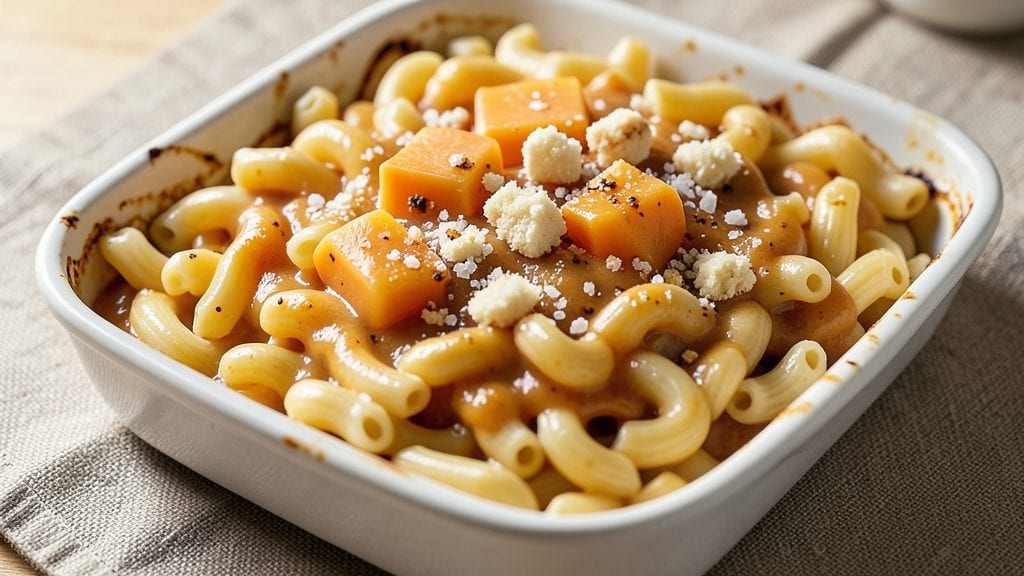
A no-boil cheddar mac and cheese delivers restaurant-quality results with minimal effort—no waiting for pasta to cook, no sauce separation, and just 20 minutes from start to finish. The secret lies in using pre-cooked pasta and starchy water to create a velvety sauce that coats every noodle perfectly.
I developed this recipe after years of testing shortcuts that still tasted homemade, and this version never disappoints.
What sets this apart is the no-boil technique, which eliminates the most common mac and cheese mistakes: mushy pasta or watery sauce. The pre-cooked pasta absorbs the rich cheese mixture instantly, while the starchy water from the pasta itself thickens the sauce naturally.
You’ll get creamy, cheesy layers with every bite—no lumps, no waiting, just pure comfort food satisfaction.
The result is a silky, golden mac and cheese with bold cheddar flavor and a smooth, velvety texture that clings to the pasta. It’s foolproof for weeknight dinners, potlucks, or even a quick lunch.
Whether you bake it for extra crispiness or serve it stovetop for immediate comfort, this recipe delivers every time.
Ready to elevate your mac and cheese game? This method works with elbow macaroni, cavatappi, or any short pasta shape. Let’s get started with a dish that’s as satisfying as it is simple.
Ingredients for no boil cheddar mac and cheese
Twelve simple ingredients transform into velvety cheddar perfection—no boiling required.
| Ingredient | Amount | Notes |
|---|---|---|
| Elbow Macaroni 🍝 | 12 oz | Pre-cooked, unrinsed, any short shape |
| Sharp Cheddar Cheese 🧀 | 2 cups | Shredded, aged 12+ months preferred |
| Heavy Cream 🥛 | ½ cup | Full-fat for optimal creaminess |
| Whole Milk 🥛 | ½ cup | Warmed to room temperature |
| Unsalted Butter 🧈 | 4 tbsp | European-style preferred |
| Diamond Crystal Kosher Salt 🧂 | 1 ½ tsp | Adjust to taste after initial seasoning |
| Freshly Ground Black Pepper 🌶️ | ½ tsp | Cracked peppercorns preferred |
| Garlic Powder 🧄 | ¼ tsp | Freshly toasted for depth |
| Dried Mustard Powder 🌶️ | ¼ tsp | For subtle tang |
| Pasta Water 💧 | ½ cup | Reserved from cooking pasta |
| Breadcrumbs 🍞 | ¼ cup | Panko for extra crunch |
| Extra-Virgin Olive Oil 🫒 | 1 tbsp | For drizzling on top |
The cheese selection is non-negotiable for restaurant-quality results. Sharp cheddar aged 12+ months delivers the deepest, most complex flavor profile—Cabot or Tillamook are my go-tos, but any aged cheddar works. Avoid pre-shredded blends; the anti-caking agents create graininess. For the pasta water, cook the elbow macaroni al dente by 1 minute (about 11 minutes), then reserve ½ cup of starchy water before draining. This golden liquid is the secret weapon for that signature velvety texture without lumps. The European-style butter adds richness that regular butter can't match—Plugrá or Kerrygold elevate the dish instantly.
No sharp cheddar on hand? Pepper jack or smoked Gouda add complexity, though the flavor profile shifts. Substituting heavy cream for whole milk? Reduce the milk by ¼ cup to maintain balance. The garlic powder and mustard powder are optional but recommended—toasted garlic powder adds depth, while mustard powder prevents the cheese from tasting flat. For a dairy-free adaptation, swap heavy cream for full-fat coconut milk and use dairy-free cheddar, though texture will differ. The breadcrumbs should be toasted lightly in a dry pan before adding to prevent sogginess. Panko creates a delightful crunch, but regular breadcrumbs work in a pinch.
This dish reheats beautifully—3 minutes in the microwave with a splash of milk restores creaminess. For baking, transfer to a greased 8x8-inch dish, top with extra breadcrumbs, and broil for 3-4 minutes until golden. Store leftovers in an airtight container for 4-5 days; the flavor actually improves overnight as the cheeses meld. Freeze for up to 3 months by portioning into individual servings. To serve, drizzle with extra-virgin olive oil and a crack of black pepper—simple touches that make it feel restaurant-worthy.
Why You'll Love This Recipe
- No-Pasta Prep: I swear by this method—just dump the dry pasta into the hot cheese sauce. No waiting for water to boil, no draining, no sticky mess. The pasta soaks up that rich, melty cheddar like a dream.
- Creamy Cheese Obsession: That sharp cheddar, heavy cream, and whole milk combo? It’s dangerously good. The sauce clings to every noodle, and the butter adds that velvety finish that makes me reach for seconds without thinking.
- Potluck Hero: Between us, this is my go-to for gatherings. It’s hearty enough to feed a crowd, reheats like a champ, and even my picky nephew asks for seconds. Plus, it’s the one dish that always gets eaten first.
- Budget Magic: Sharp cheddar and elbow mac are pantry staples that stretch farther than you’d think. A single batch feeds four, and leftovers taste just as good cold the next day—perfect for lunches or late-night cravings.
Step-by-step instructions for no-boil cheddar mac and cheese
Master this technique and you'll achieve restaurant-quality mac and cheese with velvety texture and perfect cheese streaks—no boiling pasta required.
Prepare the Cheese Sauce
In a large, heavy-bottomed saucepan, melt the 4 tablespoons unsalted butter over medium-low heat. Once fully melted, whisk in the 2 cups sharp cheddar cheese gradually, allowing each addition to melt completely before adding more. This slow melting prevents the cheese from seizing or creating lumps.
Once the cheese is fully melted, remove the pan from heat and stir in the 0.5 cup heavy cream, 0.5 cup whole milk, 1.5 teaspoons diamond crystal kosher salt, 0.5 teaspoon freshly ground black pepper, 0.25 teaspoon garlic powder, and 0.25 teaspoon dried mustard powder. The sauce should be smooth and velvety—if it's too thick, whisk in 1-2 tablespoons pasta water until it reaches a creamy consistency. Keep the sauce warm over low heat while you prepare the pasta.
Assemble the No-Boil Macaroni
Cook the 12 ounces elbow macaroni according to package instructions until al dente—typically 8-10 minutes in boiling water. Drain the pasta, but do not rinse. Immediately transfer the hot pasta to a large mixing bowl and pour the warm cheese sauce over it. Stir vigorously with a wooden spoon or rubber spatula until every strand of pasta is fully coated in the sauce.
Here's the key to no-boil success: the residual heat from the pasta will finish cooking it in the sauce. If the mixture feels too thick, add 1-2 tablespoons pasta water to loosen it. The goal is a smooth, creamy texture with visible cheese streaks throughout—this ensures each bite delivers that rich, cheesy flavor.
Add the Breadcrumbs and Bake
Preheat your oven to 375°F. Transfer the macaroni mixture to a greased 9x13-inch baking dish and spread it evenly. In a small bowl, combine the 0.25 cup breadcrumbs with 1 tablespoon extra-virgin olive oil and sprinkle this mixture evenly over the top of the macaroni. The breadcrumbs will create a crispy, golden crust while adding texture contrast.
Bake for 20-25 minutes until the top is golden brown and the edges are bubbling. The center should be hot but not boiling—it should reach an internal temperature of 165°F when checked with a thermometer. If the top browns too quickly, tent the dish with foil for the last 5 minutes of baking to prevent over-browning.
Rest and Serve
Remove the baking dish from the oven and let it rest for 5-10 minutes before serving. This resting period allows the sauce to set slightly, making it easier to scoop and ensuring each bite holds its shape. The macaroni should be tender yet firm, with a creamy sauce that clings to every strand and a crispy, golden breadcrumb topping.
Serve immediately while warm, garnished with an extra sprinkle of freshly ground black pepper if desired. The no-boil method preserves the pasta's texture while delivering that luxurious, velvety cheese sauce you'd expect from a restaurant-quality dish. Each bite should be creamy, cheesy, and perfectly balanced—no mushy pasta or grainy texture here.
Pro Tips For Making No Boil Cheddar Mac And Cheese
- Grate Cheese Small: I learned this the hard way—big cheese chunks in no-boil mac and cheese just sit there like awkward guests. Use a box grater and go for the fine side; it melts faster and blends smoother into that creamy sauce.
- Salt the Pasta Water: Even though you’re not boiling the pasta traditionally, salt the elbow macaroni before mixing it with the cheese sauce—about 1 teaspoon per pound. It’ll season the noodles directly, and you won’t end up with bland, dry pasta later.
- Temper the Cheese: Dump cold sharp cheddar straight into warm cream, and you’ll end up with a greasy mess. Warm the milk and heavy cream together first (just until steaming), then whisk in the cheese slowly. The sauce will thicken properly without separating.
- Let It Rest: After mixing everything, cover the pot and let it sit off the heat for 5 minutes. Sounds weird, but it works—it gives the cheese time to fully emulsify and the sauce to thicken without scrambling. (Yes, even if you’re impatient like me.)
Flavor customization for these flavors
Spicy Kick
For a bold flavor twist, fold in 1-2 tablespoons hot sauce (like Louisiana Hot Sauce) or 1 teaspoon cayenne pepper into the cheese sauce. I love adding ½ cup diced jalapeños for heat and texture—just sauté them in butter for 1 minute before mixing.
Top with crumbled bacon or chopped green onions for contrast. 🌶️
Smoky Depth
Swap ½ cup sharp cheddar for smoked Gouda and add ½ teaspoon smoked paprika to the sauce. For extra smokiness, fold in 2 tablespoons cooked bacon bits or 1 tablespoon liquid smoke (use sparingly—½ teaspoon is plenty). A sprinkle of crumbled bacon on top adds a smoky crunch.
Herbaceous Twist
Brighten the dish with 1 tablespoon fresh chives or 2 tablespoons chopped parsley mixed into the sauce. Add ½ teaspoon dried thyme or 1 sprig fresh thyme while melting the butter for an earthy note. Garnish with extra herbs before serving for a fresh finish.
Creamy Variations
For extra richness, stir in ¼ cup sour cream or 2 ounces cream cheese with the milk. A splash of lemon juice (½ teaspoon) brightens the sauce without overpowering. For a tangy kick, add 1 tablespoon Dijon mustard to the cheese sauce.
Crunchy Toppings
Swap breadcrumbs for crushed potato chips (like Kettle Brand) or toasted nuts (pecans or walnuts) for a savory crunch. For a cheesy topping, mix ¼ cup shredded Parmesan with the breadcrumbs. A drizzle of hot honey adds sweetness and heat.
Vegetable Add-Ins
Fold in ½ cup steamed broccoli florets or ½ cup sautéed mushrooms for texture. Roasted red bell peppers or zucchini add freshness. For a heartier dish, mix in ½ cup cooked chicken or pulled pork before baking. 🥦
Nutrition facts
Frequently asked questions
Why does this recipe use pre-cooked pasta?
The no-boil technique relies on pre-cooked pasta to eliminate the wait time and prevent mushy texture. The residual heat from the hot pasta finishes cooking it perfectly in the warm cheese sauce, creating that signature velvety consistency without overcooking. Plus, it cuts prep time by 10-15 minutes compared to traditional methods.
Can I make this mac and cheese without baking?
For a stovetop version, simply combine the cooked pasta and cheese sauce in a pot, stir until creamy, then heat on low heat for 5-7 minutes, stirring constantly. Top with breadcrumbs and serve immediately. The texture will be slightly softer but still rich and cheesy.
What's the best way to prevent a grainy cheese sauce?
Use freshly shredded cheese (not pre-shredded) and melt it slowly over medium-low heat while whisking constantly. Add the cheese gradually to prevent clumping. If lumps form, immediately whisk in a splash of warm milk or pasta water to dissolve them. The key is patience—rushing causes graininess.
How do I fix if my sauce is too thick?
Thin the sauce with 1-2 tablespoons of reserved pasta water or warm milk, whisking until smooth. If it's still too thick after adding liquid, return the pan to low heat for 1-2 minutes—the sauce will naturally loosen as it warms. Never add cold liquid, as it can cause the cheese to seize.
Can I make this ahead of time for a party?
Yes! Assemble the dish completely (including baking) and refrigerate for up to 2 days. Reheat covered in the oven at 350°F for 15-20 minutes, or microwave with a damp paper towel over it for 2-3 minutes. For best results, add a splash of milk when reheating to restore creaminess.