
Desserts
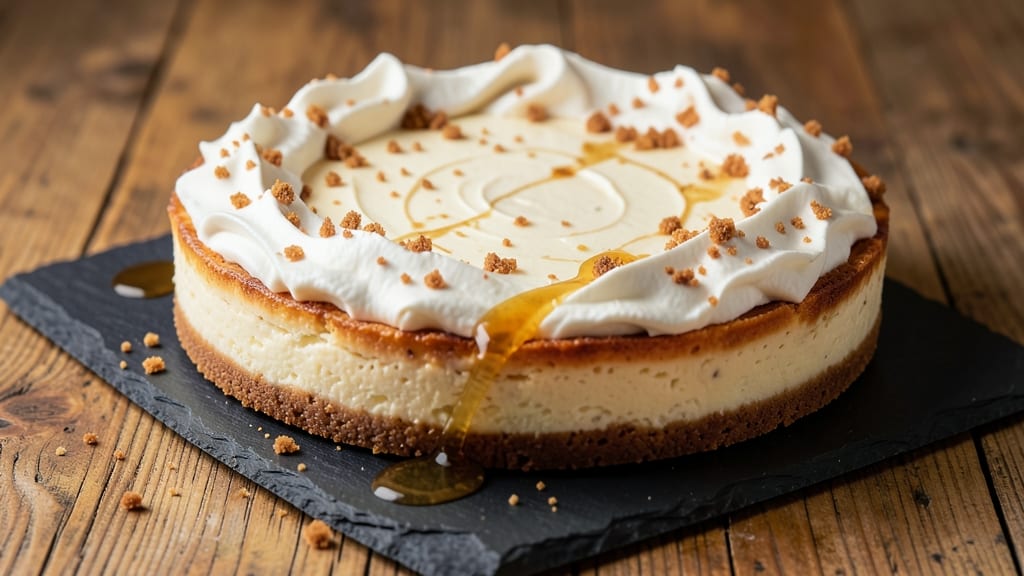
This Philadelphia cream cheese baked cheesecake recipe delivers the perfect balance of rich, velvety filling and buttery crust that's foolproof for home bakers. The secret lies in a water bath baking technique that prevents cracking while ensuring a silky-smooth texture that's impossible to resist.
I've perfected this version after years of testing, and it never fails to impress—even skeptical cheesecake skeptics. 💛
The foundation starts with a crisp, buttery graham cracker crust that forms the ideal base for the creamy filling. Using full-fat cream cheese and precise mixing techniques eliminates lumps, while the water bath creates an even bake without overcooking the edges.
This method guarantees a cheesecake with a tender center and golden crust that holds together beautifully when chilled.
What makes this recipe truly exceptional is its reliability—no guesswork about doneness, no risk of a sunken center, and no need for fancy equipment. The cooling process is just as critical as baking, with proper chilling ensuring clean slices and that signature Philadelphia cream cheese flavor in every bite.
Once you try this version, your go-to cheesecake recipe will never change again.
Serve it plain with fresh berries for contrast, or add a layer of caramel or chocolate ganache for extra indulgence. The possibilities are endless, but the technique remains the same—simple, professional results every time. Let's get started on creating your perfect cheesecake.
Ingredients for philadelphia cream cheese baked cheesecake
Philadelphia cream cheese baked cheesecake requires precise ingredients for silky texture and stable crust.
| Ingredient | Amount | Notes |
|---|---|---|
| Full-Fat Philadelphia Cream Cheese 🧀 | 32 oz | Room temperature for blending |
| Granulated White Sugar 🍬 | 1 ½ cups | Superfine preferred for smoothness |
| Large Eggs 🥚 | 4 whole | Room temperature, pasteurized |
| Sour Cream 🥛 | ½ cup | Full-fat for creaminess |
| Vanilla Extract 🌿 | 2 tsp | Pure Madagascar preferred |
| Unsalted Butter 🧈 | ½ cup | Melted, unsalted variety |
| Graham Cracker Crumbs 🍪 | 2 cups | Honeycomb variety preferred |
| Melted Unsalted Butter 🧈 | ½ cup | For crust binding |
| Diamond Crystal Kosher Salt 🧂 | ½ tsp | Fine grain for even distribution |
| Light Corn Syrup 🍯 | ½ cup | Prevents cracking |
| All-Purpose Flour 🌾 | 1 tbsp | For crust stability |
| Heavy Whipping Cream 🥛 | ¼ cup | Optional for topping |
The Philadelphia cream cheese must be full-fat and at room temperature—cold lumps ruin the smoothness. Kraft Philadelphia is the gold standard, but any high-fat block-style cream cheese works. For the crust, graham cracker crumbs should be finely ground—pre-crushed from a honeycomb graham cracker box gives the best texture. Trader Joe's or Costcocorn syrup is non-negotiable—it prevents cracking during baking by creating a moisture barrier. Store-bought syrup works, but Karo brand is most reliable for professional results.
No Philadelphia cream cheese? Whipped cream cheese with added butter mimics the fat content, though texture won't be identical. Substitute sour cream for half the cream cheese if needed, but expect a denser filling. For the crust, digestive biscuits or shortbread cookies work in a pinch—pulse them finely in a food processor. The vanilla extract can be swapped for vanilla bean paste (reduce to 1 tsp) for deeper flavor. If you're avoiding dairy entirely, cashew cream (soaked cashews blended with lemon juice) replicates the fat content, though texture will differ significantly.
This cheesecake must cool at least 6 hours before slicing—overnight is ideal. Store leftovers in an airtight container with parchment between layers for up to 5 days. For freezing, wrap tightly in plastic wrap followed by foil—thaw in the fridge for 12 hours before serving. The water bath method eliminates the need for a springform pan, but if using one, grease the sides thoroughly to prevent sticking. The crust can be pre-baked for 10 minutes to ensure crispness if you prefer a firmer base.
Why You'll Love This Recipe
- No Mixer Needed: I swear by this—just a bowl and a spatula. The cream cheese and sugar blend like butter, and the sour cream keeps it silky without overmixing. Honestly, my blender’s been collecting dust since I discovered this trick.
- Creamy Edge, Perfect Center: That crispy golden crust? It’s all thanks to the eggs and sugar caramelizing in the oven. The inside stays velvety, with just a hint of vanilla warmth cutting through the richness. (Yes, even on a Tuesday night.)
- Party-Proof in Minutes: Make it ahead, slice it up, and no one will guess it’s not from a bakery. Serve it with berries for brunch, pair it with coffee for a lazy afternoon, or freeze slices for last-minute dessert emergencies.
- Budget-Friendly Luxury: Full-fat cream cheese makes it taste indulgent, but it’s cheaper than store-bought cheesecakes. A single batch feeds six, and leftovers? They disappear faster than I can say “second slice.” My secret weapon for impressing guests without breaking the bank.
Step-by-step instructions for Philadelphia cream cheese baked cheesecake
Master this technique once and you'll achieve a silky-smooth filling with a perfectly crisp crust every time.
👨🍳 Step 1: Prepare the Crust Foundation
Preheat your oven to 325°F and position a rack in the lower third. In a medium bowl, combine the 2 cups graham cracker crumbs with the 1 tablespoon all-purpose flour and ½ teaspoon diamond crystal kosher salt. Mix until evenly distributed—this prevents any dry spots in your crust.
In a separate small bowl, melt the ½ cup unsalted butter until completely liquid but not browned. Pour this over the dry ingredients and stir with a fork until the mixture resembles wet sand. Press this firmly and evenly into a 9-inch springform pan, using the back of a measuring cup to create an even base.
Here's the thing—don't skip the chilling step. Place the prepared crust in the freezer for 15 minutes while you prepare the filling. This ensures the crust maintains its shape during baking and prevents any potential leakage into your delicate filling.
🍳 Step 2: Blend the Filling Ingredients
While the crust chills, bring the 32 oz full-fat Philadelphia cream cheese to room temperature. This is critical—cold cream cheese creates lumps that ruin the silky texture. Cut the block into chunks and let it sit at room temperature for 1-2 hours or microwave in 20-second intervals until just soft.
In a large mixing bowl, beat the cream cheese with an electric mixer on medium speed until completely smooth and creamy. This process should take about 3-4 minutes. Gradually add the 1½ cups granulated white sugar while continuing to mix on medium-high speed until fully incorporated and the mixture is pale and fluffy.
Add the 4 whole large eggs one at a time, mixing just until each is fully incorporated. I like to scrape down the sides of the bowl after each addition to ensure even distribution. The mixture should be thick but pourable—this consistency is perfect for creating that signature creamy texture.
🥘 Step 3: Incorporate Stabilizers and Flavor
Reduce the mixer speed to low and gently fold in the ½ cup sour cream, 2 teaspoons vanilla extract, and ½ cup light corn syrup. The corn syrup acts as a natural humectant, preventing cracking during baking. Mix just until combined—overmixing incorporates air that can cause the cheesecake to sink.
Here's where precision matters: add the ½ cup melted unsalted butter last. This binds all the ingredients together and adds richness. Give the mixture one final scrape around the bowl to ensure everything is evenly incorporated. The batter should be smooth with no visible streaks of butter or cream cheese.
⏰ Step 4: Bake to Perfect Doneness
Remove the chilled crust from the freezer and carefully pour the filling into the prepared pan. Tap the pan gently on the counter to release any air bubbles that may have formed. Place the filled pan on a baking sheet lined with parchment paper—this catches any potential drips.
Bake in the preheated oven for 50-55 minutes until the edges are set but the center still has a slight wobble when gently shaken. The top should be golden brown with a crack pattern—this indicates proper doneness. The internal temperature should read 150-155°F when measured in the center.
Don't open the oven door during baking—temperature fluctuations cause cracking. If you notice the edges browning too quickly, loosely cover the pan with aluminum foil. The cheesecake is done when it's set around the edges but still slightly jiggly in the center—it will continue firming up as it cools.
🔥 Step 5: Cool and Finish Professionally
Turn off the oven and crack the door open slightly. Let the cheesecake cool in the oven for 1 hour—this gradual temperature change prevents cracking. Then transfer it to the refrigerator and chill for at least 6 hours or overnight. Patience here is crucial for developing that perfect creamy texture.
Before serving, run a knife around the edge of the springform pan to loosen any potential sticking. If desired, whip the ¼ cup heavy whipping cream to soft peaks and spread it over the top. This adds a beautiful finish and enhances the presentation. Serve chilled slices with fresh berries or a drizzle of caramel sauce.
Pro Tips For Making Philadelphia Cream Cheese Baked Cheesecake
- Whip Cream Cheese Slowly: I learned this the hard way—dumping all the cream cheese into the mixer at once turns it into butter. Beat it in gradually while the mixer runs, scraping the bowl every 30 seconds. The texture will be silky, not greasy.
- Use Room-Temp Eggs: Cold eggs make the batter lumpy and can cause cracks. Take them out of the fridge 1–2 hours before mixing—no, don’t microwave them, just let them sit. Your future self will thank you when the top stays smooth.
- Skip the Overmixing: Once the batter is just combined, stop. Overmixing adds air, which leads to a dense, heavy cake. Stir until the sugar dissolves and the sour cream is barely visible—that’s it. Less effort, better texture.
- Water Bath at 325°F: I used to bake these at 350°F and ended up with a cracked, rubbery center. Drop the temp to 325°F and bake in a water bath for 50–60 minutes. The slow cook guarantees a creamy middle without the drama.
Wine and beer pairings for this dish
Sweet Wine Pairings
This rich, creamy cheesecake pairs beautifully with demi-sec or moelleux styles of Sauternes from Bordeaux. The natural sweetness and honeyed notes of these wines cut through the dense cream cheese while complementing its vanilla and butter flavors.
I always reach for a bottle of Château d'Yquem—its apricot and peach undertones create a luxurious harmony with the cheesecake's smooth texture. 🍷
Dessert-Friendly Whites
For a lighter but still indulgent pairing, try a Vin Santo from Tuscany. The nutty, caramelized flavors of this oxidized dessert wine balance the richness without overpowering. A 2018 Vin Santo di Montepulciano from Avignonesi elevates the experience with its almond and dried fruit notes.
Serve slightly chilled to enhance the contrast between the warm wine and cool cheesecake.
Beer Options
Creamy stout beers like Guinness or Samuel Smith's Nut Brown Ale provide a perfect balance. The roasted malt notes in stouts complement the caramelized crust, while the smooth body mirrors the cheesecake's texture.
For a lighter option, a Belgian-style witbier like Hoegaarden with its citrus and coriander notes refreshes the palate between bites. 🍺
After-Dinner Port
No dessert spread is complete without a Ruby Port like Graham's 10-Year-Old. The deep berry and chocolate flavors in the port enhance the cheesecake's vanilla and butter notes, creating a decadent finish. Serve in small glasses at room temperature—just a 1-ounce pour is enough to make this pairing unforgettable.
Coffee Pairing
For an after-dinner pairing, a strong espresso or cold brew with a splash of vanilla syrup mirrors the cheesecake's flavor profile. The bitterness of the coffee cuts through the richness, while the vanilla ties back to the cheesecake's signature flavor.
I like to serve this with a demi-tasse of Lavazza Super Crema for a sophisticated touch.
Non-Alcoholic Options
For those skipping alcohol, a sparkling apple cider like Martinelli's with a cinnamon stick adds a festive touch. The effervescence cleanses the palate, while the apple notes complement the cheesecake's sweetness.
For a richer option, try a chilled chai latte with a hint of cardamom—it enhances the vanilla and spice notes in the dessert. ✨
Nutrition facts
Frequently asked questions
Why does this recipe use a water bath for baking?
The water bath creates even heat distribution, preventing cracks and ensuring a silky center. This method is essential for cream cheese-based desserts, which can dry out or develop surface cracks when baked conventionally. The gradual temperature change also helps the crust set properly while keeping the filling tender.
Can I make this cheesecake without a springform pan?
Yes! Use a 9-inch oven-safe dish (like ceramic or metal) and line it with parchment paper. Place the dish inside a larger roasting pan filled with 1 inch of hot water to create the water bath effect. Just be sure to remove the outer pan after 30 minutes of baking to prevent overcooking.
How do I prevent my cheesecake from cracking?
<Cracking happens when moisture escapes too quickly. To avoid it:
- Don't overmix the batter,
- Use corn syrup as a stabilizer,
- Bake at 325°F (not higher), and
- Cool gradually in the oven with the door cracked. The filling should be slightly jiggly when done—it firms up as it cools.
What's the best way to serve this cheesecake?
Serve chilled slices with fresh berries, caramel drizzle, or whipped cream. For a restaurant-style presentation, top with toasted nuts or a dusting of cocoa powder. The rich cream cheese flavor pairs beautifully with tart fruits like raspberries or peaches to balance the sweetness.
Can I substitute whipped cream cheese for block cream cheese?
Whipped cream cheese works but requires adjustments. Use 16 oz whipped cream cheese + 8 oz melted butter to match the fat content of block cream cheese. The texture will be slightly lighter, but the flavor remains rich. For best results, blend the whipped cream cheese with melted butter until completely smooth before mixing with other ingredients.