
Desserts
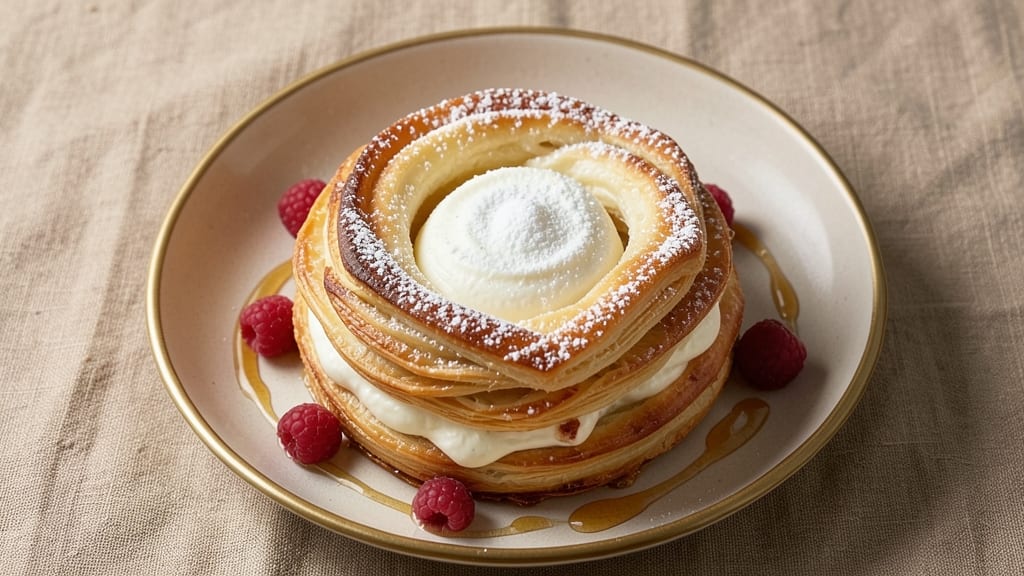
This Philadelphia cream cheese Danish recipe delivers the perfect balance of flaky, buttery layers and rich, gooey cream cheese filling that bakes into velvety perfection. After years of testing variations, I’ve refined this method to ensure every slice has that signature tender crust and irresistible swirl—no shortcuts, just proven technique.
The secret lies in cold dough handling and precise folding, which create those signature layers without overworking the butter.
The process begins with a classic Danish dough, where cold butter is layered into the dough to maintain flakiness. Once shaped and proofed, the cream cheese filling—sweetened just enough to complement the tang—is rolled into the dough before the final rise.
This ensures the filling stays gooey and doesn’t overcook, while the crust achieves that golden, caramelized finish. It’s a labor of love, but the results are worth every minute.
By the time you pull this Danish from the oven, you’ll have a showstopping dessert with crisp edges, tender layers, and a filling that’s dangerously addictive. The aroma alone will have everyone gathering around the kitchen, and the first bite delivers that perfect harmony of sweet, tangy, and buttery.
This is the kind of recipe that turns a simple weekend project into a showstopping centerpiece.
For extra indulgence, consider adding a sprinkle of cinnamon sugar or chopped nuts to the filling before baking. Serve warm with a dusting of powdered sugar or a drizzle of caramel for the ultimate crowd-pleaser. Let’s get baking—this Danish is guaranteed to impress.
Ingredients for philadelphia cream cheese danish
Cold butter, golden layers, and that iconic gooey cream cheese filling—this is your ultimate showstopper Danish.
| Ingredient | Amount | Notes |
|---|---|---|
| Unsalted Butter 🧈 | 1 ½ cups | Cold, cubed for layering |
| All-Purpose Flour 🌾 | 4 cups | Sifted, plus extra for dusting |
| Granulated Sugar 🍚 | ½ cup | For dough sweetness |
| Instant Yeast 🍞 | 0.03 oz | Or 2 1/4 tsp |
| Large Eggs 🥚 | 2 whole | Room temperature |
| Milk 🥛 | ½ cup | Warm, not hot |
| Salt 🧂 | ½ tsp | Fine sea salt |
| Philadelphia Cream Cheese 🧀 | 16 oz | Full-fat, room temp |
| Powdered Sugar 🍚 | ½ cup | For filling sweetness |
| Vanilla Extract 🍯 | 1 tsp | Pure vanilla preferred |
| Cinnamon Sugar Mix 🌶️ | ¼ cup | Optional for topping |
| Powdered Sugar 🍚 | ¼ cup | For final dusting |
The butter is everything here—European-style if you can find it, but Land O'Lakes works in a pinch. Keep it stone cold when cutting into the dough; that’s what creates those signature flaky layers. Costco sells blocks perfect for this, but any store-brand sticks work if you cube them and freeze for 20 minutes first. The cream cheese? Philadelphia brand is non-negotiable for that perfect tang—none of that imitation stuff. Grab the 8 oz block and let it sit out while you work with the dough. Pro tip: brush the finished Danish with egg wash (the beaten egg yolk) for that golden, caramelized crust everyone craves.
No European butter? Plugra or Kerrygold are great substitutes, but if you’re in a bind, any cold, unsalted butter will do—just don’t let it warm up before layering. Short on powdered sugar for the filling? Mix granulated sugar with 1 tbsp cornstarch at a 1:1 ratio. The cinnamon sugar topping? Trader Joe’s has a pre-mixed version, but DIY is easy—just mix 2 tbsp sugar with 1 tsp cinnamon. For extra indulgence, fold in chopped pecans or toasted almonds into the filling before rolling. And if you’re feeling fancy, swap half the powdered sugar for confectioners’ sugar—it dissolves even better.
This dough is a two-day project, but it’s worth it. The dough itself keeps in the fridge for up to 48 hours, and the filled Danish can be proofed overnight for even better flavor. Once baked, let it cool for 10 minutes before slicing—trust me, it’ll be tempting to dig in earlier! Store leftovers in an airtight container for 3 days (if they last that long), or freeze slices for up to 3 months. Reheat in a 350°F oven for 5-10 minutes to bring back that fresh-from-the-oven magic. The filling stays gooey, the crust stays crisp—it’s basically a dessert time machine.
Why You'll Love This Recipe
- No-Fuss Dough: I swear by this recipe because the dough comes together faster than you can say "butter at room temp." Just mix the flour, sugar, yeast, and eggs—no kneading, no fuss—then fold in that cold butter until it’s pea-sized. Honestly? My hands stay cleaner than when I bake store-bought.
- Cream Cheese Magic: That first bite of warm, flaky layers with creamy Philadelphia swirled inside? It’s like a hug in pastry form. The tangy richness cuts through the buttery dough, and the sugar caramelizes just enough to make it taste like a bakery secret—not a weeknight shortcut.
- Breakfast or Snack: Make a batch on Sunday, and you’ve got breakfast for the week. Serve them warm with jam for a lazy morning, or pack them cold for a lunchbox treat. (Yes, even on a Tuesday night when you’re too tired to think.)
- Budget Bakery Feel: You’d pay $5 each for these at a café, but here? A single block of cream cheese and a stick of butter stretch to a dozen. The yeast does all the work—no fancy ingredients, just pure, reliable flavor that makes you feel like you’re treating yourself.
Step-by-step instructions for Philadelphia cream cheese Danish
Here's how to create those iconic buttery layers with gooey cream cheese swirls—every step matters!
Prepare the Cream Cheese Dough
In a large mixing bowl, combine the 16 oz Philadelphia cream cheese, 1.5 cups unsalted butter, 0.5 cup granulated sugar, 2 whole large eggs, 1 tsp vanilla extract, and 0.5 tsp salt. Beat with an electric mixer on medium speed until completely smooth and creamy—this should take about 3-4 minutes. The mixture should be light and airy, almost like a thick frosting.
Next, gradually add the 4 cups all-purpose flour (sifted) and mix just until combined. Avoid overmixing—you want to maintain a tender dough. If the dough feels too sticky, add 1 tablespoon of flour at a time until it comes together. Wrap the dough in plastic wrap and refrigerate for at least 1 hour (or up to 24 hours). This chilling step is crucial for preventing the butter from melting during rolling.
Roll and Layer the Dough
Preheat your oven to 350°F. On a lightly floured surface, roll the chilled dough into a 12x18-inch rectangle, about ¼-inch thick. Spread the 16 oz Philadelphia cream cheese (softened) evenly over the dough, leaving a ½-inch border around the edges. Sprinkle the 0.5 cup powdered sugar evenly over the cream cheese.
Roll the dough tightly into a log, pinching the seam to seal. Wrap it in plastic wrap and refrigerate for another 30 minutes. This ensures the cream cheese stays in place when you slice it. Using a sharp knife, cut the log into 8 equal pieces (about 2-inch thick) and place them on a parchment-lined baking sheet, 2 inches apart. Cover loosely with a towel and let them rise for 20-30 minutes until puffy.
Bake to Golden Perfection
Bake the danishes for 20-25 minutes until they're golden brown and puffed. The edges should be crisp, but the centers should still look slightly soft. Rotate the baking sheet halfway through for even baking. If the tops brown too quickly, tent with foil to prevent over-browning.
While still warm, brush the tops with a simple glaze made by mixing 0.25 cup powdered sugar with 1 tablespoon milk. This adds a beautiful sheen and extra sweetness. Let them cool on the baking sheet for 5 minutes before transferring to a wire rack. For that classic touch, sprinkle with 0.25 cup cinnamon sugar mix while still warm.
Final Touches and Serving
Serve the danishes warm for the best texture—crispy on the outside, tender inside, with that signature gooey cream cheese filling. If you're making them ahead, store them in an airtight container at room temperature for up to 2 days or freeze for up to 1 month. To reheat, warm in a 350°F oven for 5-10 minutes until heated through.
Here’s the thing—these danishes are all about balance. The buttery layers should be flaky but not tough, the cream cheese filling should ooze with every bite, and the cinnamon sugar topping should add just the right amount of crunch. Trust the process, and you’ll have bakery-quality results every time!
Pro Tips For Making Philadelphia Cream Cheese Danish
- Chill the Dough: After the first rise, pop that dough in the fridge for 1–2 hours before rolling. I learned this the hard way—skipping it makes the dough fight you like a stubborn toddler, and your cream cheese filling will leak like a sieve. Cold dough = easier shaping, cleaner cuts, and less stress.
- Use Cold Cream Cheese: Scoop that Philadelphia cream cheese straight from the fridge—never softened. Warm cheese melts into a greasy mess, and your danish layers will turn into a sad, soggy pancake. Cut it into chunks, let it sit in the dough just long enough to soften slightly (about 10 minutes), then fold it in gently.
- Don’t Overproof the Yeast: That instant yeast is hungry, but don’t let the dough double in size—stop it when it’s just puffy, not ballooning. Overproofed dough collapses when baked, and your cream cheese filling will ooze out like a betrayal. Poke it gently; if it springs back slowly, it’s ready.
- Brush with Egg Wash: Whisk 1 egg with 1 tablespoon water, then brush it on the shaped danish before baking. The egg seals the dough, keeps the layers tight, and gives that golden, bakery-fresh shine. Skip this, and your danish will look dull—like it was made in a hurry (because it probably was).
Essential equipment for this dish
Dough Tools
You’ll need a stand mixer with the dough hook attachment to handle the butter-heavy dough efficiently. I recommend a KitchenAid Artisan Series—its powerful motor handles the dense dough without overheating.
For hand mixers, use a Cuisinart SmartStick on medium speed to avoid overworking. A pastry scraper is essential for cleaning dough off surfaces and dividing it evenly. 🧈
For rolling, a 12-inch pizza wheel or wooden rolling pin works best—keep it stone cold by chilling in the freezer for 5 minutes before each use. A digital kitchen scale ensures precision when measuring flour, especially since Danish dough is sensitive to weight variations.
I use my OXO Good Grips scale for accuracy.
Filling Prep
The Philadelphia cream cheese must be at room temperature—about 68°F—for smooth spreading. Use a microplane to zest 1 lemon (optional) for brightness or a small offset spatula to spread the cheese evenly.
A pastry brush is key for egg wash—Wilton Silicone Brushes hold up to high heat and are easy to clean.
For the powdered sugar glaze, a fine-mesh sieve eliminates lumps, and a small whisk blends the sugar with milk smoothly. A damp paper towel keeps your fingers from sticking when handling sticky dough or filling. I keep one handy near my workstation at all times.
Baking Essentials
A half-sheet baking pan with parchment paper prevents sticking and makes cleanup effortless. I use Wilton’s non-stick parchment because it handles high heat without curling. A digital thermometer ensures your oven is at 350°F—mine reads 345°F when preheated, so I adjust accordingly. 🌡️
For even baking, a wire cooling rack elevates the danishes to prevent soggy bottoms. A parchment-lined baking sheet with rims catches drips, and a spray bottle with water keeps dough from sticking during rolling.
A sharp chef’s knife (I use Mercer Culinary Genesis) cuts clean slices without crushing the filling.
Optional Upgrades
Invest in a proofing box (like the Norpro Proofing Box) to maintain 80°F for consistent rises—essential in humid kitchens. A silicone Danish cutter (available on Amazon) ensures uniform shapes and reduces cleanup. For extra flakiness, a laminating roller mimics professional Danish dough folding techniques.
For presentation, a dusting brush applies powdered sugar evenly, and a small offset spatula helps transfer delicate slices. A clear glass dome keeps danishes fresh for 24 hours at room temperature, perfect for display. These tools elevate your results without breaking the bank.
Nutrition facts
Frequently asked questions
Why does my cream cheese Danish turn out dense instead of flaky?
The key to flaky layers is keeping everything cold. If your butter warms up during mixing or rolling, the layers won't separate properly. Always chill the dough for at least 1 hour between steps, and use a cold rolling pin. Overworking the dough also breaks down gluten—mix just until combined.
Can I make this recipe without a stand mixer?
Use a hand mixer or even a sturdy wooden spoon to combine the dough ingredients. Work in a cool kitchen and mix gently to avoid warming the butter. For the filling, spread softened cream cheese with a spatula instead of piping. The texture will still be rich and delicious, just slightly less airy.
How do I prevent the cream cheese filling from leaking out?
Chill the filled log for 30 minutes before slicing to set the cream cheese. Use a sharp, hot knife (dipped in hot water and wiped dry) for clean cuts. Seal the edges by pressing them gently together after slicing. If you notice leaks during baking, reduce the oven temperature by 25°F to slow the cooking process.
What's the best way to store leftovers?
Keep danishes in an airtight container at room temperature for up to 2 days. For longer storage, freeze slices wrapped individually for 1 month. Reheat in a 350°F oven for 5-10 minutes until warm through. The filling stays gooey when reheated properly!
Can I substitute regular cream cheese for Philadelphia?
While you can use regular cream cheese, Philadelphia's higher fat content (34%) creates that signature velvety texture. For a close substitute, mix 16 oz regular cream cheese with 2 tbsp melted butter to boost richness. The flavor will be slightly less tangy but still delicious.