Side Dishes
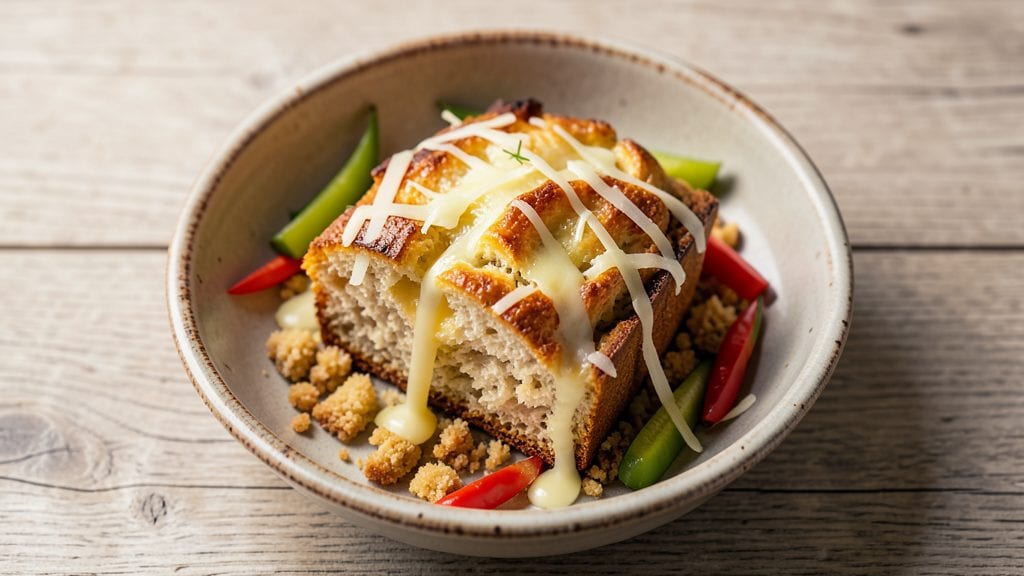
This pickle cheese bread recipe delivers the perfect balance of crispy crust and tangy, cheesy goodness that makes every bite irresistible. The secret lies in combining buttery, flaky layers with a cheddar-cheese pickle filling that creates an addictive texture contrast.
I developed this recipe after years of perfecting the art of layered breads, and the results speak for themselves—crunchy, golden edges that give way to a creamy, flavorful center.
The beauty of this recipe is in its simplicity: a basic dough comes together in under 15 minutes, and the filling requires just three key ingredients—sharp cheddar cheese, tangy dill pickles, and a touch of cream cheese for binding.
The proofing process is where the magic happens, allowing the dough to rise just enough to create those signature flaky layers while keeping the filling intact. No special equipment is needed beyond a standard loaf pan and oven.
By the time it emerges from the oven, you'll have a loaf with a crispy exterior that shatters at the touch and a soft, stretchy interior loaded with melty cheese and briny pickle chunks.
The aroma alone will have everyone gathering around the table, and the first bite delivers that perfect harmony of textures and flavors. This bread is versatile enough for any meal—serve it warm with soup, alongside BBQ, or as a snack straight from the oven.
With just a few simple steps and 30 minutes of active time, you can transform basic ingredients into a showstopping side dish that's sure to become a family favorite.
The technique is foolproof, and the results are restaurant-quality without requiring any advanced skills. Let's get started on making this crowd-pleasing classic.
Ingredients for pickle cheese bread
Basic pantry staples transform into a showstopping loaf with crispy edges and creamy, tangy layers.
| Ingredient | Amount | Notes |
|---|---|---|
| All-Purpose Flour 🌾 | 3 cups | Sifted for light texture |
| Unsalted Butter 🧈 | ½ cup | Cold, cubed for flaky layers |
| Granulated Sugar 🍚 | ¼ cup | For subtle sweetness |
| Active Dry Yeast 🍞 | ¼ tsp | Freshly measured |
| Warm Water 💧 | ½ cup | 110°F for yeast activation |
| Sharp Cheddar Cheese 🧀 | 1 ½ cups | Shredded, block preferred |
| Cream Cheese 🧀 | 4 oz | Room temperature for blending |
| Dill Pickles 🥒 | ½ cup | Chopped, juices included |
| Large Egg 🥚 | 1 whole | Room temperature for binding |
| Milk 🥛 | ¼ cup | Warm, for dough tenderness |
| Salt 🧂 | 1 ½ tsp | Kosher for balanced flavor |
| Black Pepper 🌶️ | ½ tsp | Freshly cracked for warmth |
| Garlic Powder 🧄 | ¼ tsp | For subtle depth |
The sharp cheddar is non-negotiable here—Kraft 2% Milk Sharp Cheddar from the dairy section delivers that perfect tangy bite. For the pickles, Heinz Dill Kosher Dill Pickles (the kind with spears) work best—they hold their shape and add that briny contrast. The cream cheese should be Philadelphia brand for its smooth texture, and never skip room temperature. Butter matters too: Land O'Lakes Unsalted in the refrigerated section stays cold longer, which is key for those flaky layers. If you're in a pinch, Earth Balance vegan butter works for a dairy-free version, though the flavor will differ slightly.
No sharp cheddar? Pepper Jack adds heat, or Colby Jack for a milder option. Cream cheese substitute? Ricotta at half the amount gives a similar creaminess. For the pickles, bread-and-butter pickles lack the tang, but sweet gherkins in a pinch can work if you add an extra 0.25 tsp of mustard powder. The dough can be made a day ahead—just refrigerate it until ready to shape. And if you're short on time, instant yeast works the same way, but adjust the water temperature to 105°F for activation.
This loaf keeps beautifully—wrapped in foil for up to 3 days at room temperature, or 5 days in the fridge. For longer storage, freeze the baked loaf for up to 3 months. To reheat, wrap in foil and warm in a 350°F oven for 10 minutes. The filling stays gooey when reheated, but the crust loses crispiness—best enjoyed fresh from the oven. For serving, a sharp knife and cooling rack are your friends—let it rest 5 minutes before slicing to maintain that perfect texture.
Why You'll Love This Recipe
- No Yeast Nightmare: Mixing the dough takes two minutes—just flour, butter, sugar, and yeast in warm water. No kneading, no waiting for hours, just punch it down once and let it rise while you make dinner. (Yes, even on a Tuesday night.)
- Sweet-Tangy Magic: That sugar in the dough caramelizes just enough to balance the sharp, briny pickles and melty cheese. It’s like biting into a dessert that shouldn’t exist but somehow does—crusty outside, gooey inside.
- Lunchbox Superstar: Slice it thick, toast it until golden, and pack it with cold cuts or straight-up as a snack. My kids fight over these—no sandwiches needed. Honestly, it’s the only bread they’ll actually eat for breakfast.
- Budget Bread Winner: Uses pantry staples and stretches into days of meals. A single batch feeds my family for three days, and the leftovers? Even better the next day when the cheese gets extra melty. (Between us, it’s my secret weapon for lazy mornings.)
Step-by-step instructions for pickle cheese bread
Here's how to create a golden crust with a tangy, cheesy center that delivers on crispy perfection every time.
Activate the Yeast and Combine Wet Ingredients
In a small bowl, dissolve the 0.25 tsp active dry yeast in the 0.5 cup warm water (about 110°F) with the 0.25 cup granulated sugar. Let it sit for 5-10 minutes until frothy—this confirms the yeast is active. In a separate large bowl, beat the 0.5 cup unsalted butter (cold, cubed) with the 1 whole large egg and 0.25 cup milk until smooth.
This initial step creates a stable foundation for your dough. The yeast activation ensures proper rise, while the butter and egg provide structure for that crispy crust. If the yeast doesn't foam, your bread won't rise properly—start over with fresh yeast.
Mix Dry Ingredients and Combine with Cheese
In the same large bowl, whisk together the 3 cups all-purpose flour, 1.5 tsp salt, 0.5 tsp black pepper, and 0.25 tsp garlic powder. Gradually add the yeast mixture and mix until a shaggy dough forms. Then fold in the 1.5 cups sharp cheddar cheese (shredded) and 4 oz cream cheese (room temperature) using a silicone spatula.
Here's where the magic happens—the cheese begins to melt slightly from the warm egg mixture, creating pockets that will give your bread its signature tender crumb. The cold butter cubes will create flaky layers as they melt during baking. Work quickly but gently to avoid over-developing the gluten.
Incorporate Pickles and Knead the Dough
Add the 0.5 cup dill pickles (chopped, juices included) to the dough and mix until evenly distributed. Turn the dough onto a lightly floured surface and knead for 5-7 minutes until smooth and elastic. The dough should be slightly sticky but not wet—add more flour if needed, 1 tablespoon at a time. Shape into a rectangle about 12x8 inches and 1 inch thick.
This step is crucial for texture—the pickles add moisture and tang while preventing the bread from becoming too dense. The rectangular shape ensures even baking and maximum crispiness. If your dough feels too firm, let it rest for 10 minutes before shaping—this helps the gluten relax.
Proof and Prepare for Baking
Place the shaped dough on a parchment-lined baking sheet and cover loosely with plastic wrap. Let it rise in a warm place for 1-1.5 hours until nearly doubled in size. Preheat your oven to 375°F while the dough proofs. When ready to bake, score the top of the dough with a sharp knife in a crisscross pattern—this helps the bread expand and creates that beautiful golden crust.
The proofing stage develops flavor and ensures a light texture. You'll know it's ready when the dough springs back slowly when gently pressed. The scoring creates steam channels that promote even browning and crispiness. Don't skip this step—proper proofing makes all the difference in final texture.
Bake to Crispy Perfection
Bake the scored dough for 25-30 minutes until the edges are deep golden brown and the internal temperature reaches 190°F. The bread should sound hollow when tapped on the bottom. For extra crispiness, broil for 1-2 minutes at the end, watching closely to prevent burning.
This final step transforms your dough into the star of the show. The high heat creates that irresistible crispy crust while keeping the interior tender. Let the bread cool for 10 minutes before slicing—this allows the juices to set and makes for cleaner cuts. Serve warm with your favorite soup or chili for the ultimate comfort food experience.
Pro Tips For Making Pickle Cheese Bread
- Measure Butter Cold: Take the butter straight from the fridge—no softening needed. I learned this the hard way after kneading a greasy, sticky mess that refused to hold its shape. Cold butter creates flaky layers in the dough, and it won’t melt into a gooey disaster when you handle it.
- Bloom Yeast Slowly: Mix the yeast with warm water and sugar, then let it sit for exactly 5 minutes before adding it to the flour. I used to rush this, and my bread would either rise like a sad pancake or explode in the oven. That 5-minute wait guarantees the yeast is active and ready to work.
- Skip the Over-Kneading: The dough is ready when it springs back slowly when poked—not instantly. I used to think more kneading meant better bread, but this dough is delicate. Overwork it, and you’ll end up with a dense, tough loaf. Two minutes past the "ready" point is too far.
- Proof in a Warm Spot: Place the dough in a bowl with a damp towel over it, then set it near the oven with the light on (or in a turned-off oven with the door cracked). My first attempts left the dough in a cold kitchen, and it took forever to rise. Warmth speeds this up without risking overproofing.
Serving suggestions for leftovers
Warm Soups Pairing
This bread shines alongside hearty soups where its crispy crust soaks up every last drop of broth. I love serving it with creamy tomato basil soup—the tangy pickle cheese complements the acidity beautifully.
For a protein boost, pair it with chicken and wild rice soup or New England clam chowder. The contrast of warm soup and cool pickles in each bite is pure magic. 🥘
BBQ and Grilled Meats
There's nothing better than serving this bread with smoked pulled pork or grilled brisket. The crispy crust cuts through the richness of BBQ sauce, while the cheesy center balances the smoky flavors. I often make a double batch for summer cookouts—it disappears faster than the brisket itself.
For a lighter option, try it with grilled chicken thighs and a side of corn on the cob. 🍖
Cheesy Dips and Spreads
Turn your pickle cheese bread into an appetizer by serving it with warm dips. I love pairing it with baked mac and cheese for a cheesy double-down or spinach-artichoke dip for a creamy contrast.
For something lighter, try whipped feta dip with a drizzle of honey. The bread's crispy edges stay sturdy even when dipped, making it perfect for game day gatherings. 🧀
Breakfast or Brunch
This bread makes an unexpected but delicious breakfast centerpiece. Serve warm slices with scrambled eggs and crispy bacon, or use it as a base for breakfast sandwiches with fried chicken and sriracha mayo.
For a sweet-savory twist, top with powdered sugar and a dollop of sour cream—the tangy pickles balance the sweetness perfectly. 🍳
Garnishing for Extra Wow
Elevate your presentation with simple garnishes. Sprinkle fresh dill or chopped chives over warm slices for a pop of color. A drizzle of garlic aioli or spicy mayo adds extra flavor dimension.
For a smoky touch, finish with crumbled bacon or crushed red pepper flakes. These small details make your bread look and taste restaurant-quality. ✨
Leftovers Reinvented
Transform leftover slices into pickle cheese bread croutons for salads or soups. Pulse warm slices in a food processor with 1 tbsp butter and 1 tsp garlic powder, then bake at 350°F for 5 minutes until crispy.
You can also make pickle cheese bread pudding by layering cubes with vanilla pudding and whipped cream, then baking until set. 💫
Nutrition facts
Frequently asked questions
Can I make this bread without yeast?
This recipe relies on yeast for that perfect rise and airy texture, but you can make a quick version using 1 tsp baking powder instead. Replace the yeast and water with baking powder, and reduce the proofing time to 10 minutes before baking. The result will be denser but still delicious—great for when you're short on time!
How do I store leftovers to keep them crispy?
Wrap cooled slices tightly in plastic wrap or foil, then place them in an airtight container. For maximum crispiness, reheat in a 350°F oven for 5-7 minutes until golden. Alternatively, toast slices in a skillet over medium heat for 1-2 minutes per side until crispy again.
Can I substitute cream cheese with something else?
Yes! Use 4 oz ricotta cheese (room temperature) for a similar creaminess, or 4 oz mascarpone for a richer flavor. For a dairy-free option, try 4 oz vegan cream cheese (like Tofutti), though the texture will be slightly different. The key is ensuring your substitute is soft and spreadable.
Why did my bread turn out dense instead of flaky?
Dense bread usually means over-kneading or under-proofing. Knead just until smooth (5-7 minutes), and ensure the dough doubles in size during proofing. Also, make sure your butter is cold—it should still hold its shape when pressed. If your kitchen is cold, place the dough in a warm spot (like near a turned-off oven with the light on) to help it rise properly.
Can I make this bread in a different shape?
Roll the dough into a round for a pizza-like loaf, or shape it into a free-form braid for a rustic look. For individual portions, divide the dough into 4 equal pieces, shape each into a ball, and bake on a lined sheet pan. The rectangular shape is traditional, but creativity is encouraged—just adjust baking times as needed.