
Soups & Stews
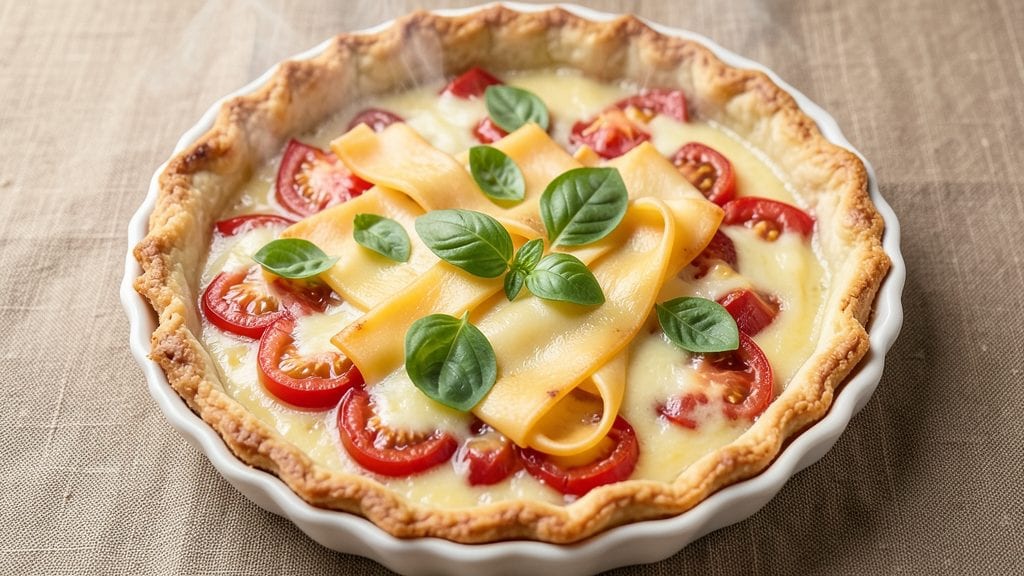
This tomato cheese quiche recipe delivers the perfect balance of a flaky crust and velvety egg custard, all topped with sun-kissed tomatoes and melted cheese. After years of perfecting my quiche technique, I’ve cracked the code for achieving that signature crispy bottom and tender filling—every time.
The secret lies in the crust preparation and precise baking temperature, which transforms this dish from ordinary to extraordinary.
What sets this recipe apart is its simplicity: just a few key ingredients—eggs, cheese, tomatoes, and a touch of cream—come together to create a dish that’s both hearty and elegant.
The crust can be homemade for that extra flakiness or store-bought for convenience, but the filling is where the magic happens. A blend of sharp cheddar and creamy mozzarella creates a rich, gooey layer that pairs perfectly with the bright acidity of the tomatoes.
The result is a quiche with a golden, crispy crust that shatters slightly when cut, a custard so smooth it melts in your mouth, and tomatoes that stay tender yet vibrant.
This dish is versatile enough for brunch, lunch, or even dinner—just add a fresh salad or crusty bread to complete the meal. Whether you’re feeding a crowd or treating yourself to a special weekend breakfast, this quiche delivers restaurant-quality results with minimal effort.
For added depth, consider stirring in fresh herbs like basil or thyme into the filling, or swapping some tomatoes for spinach for a twist. The possibilities are endless, but the foundation remains the same: a flaky crust, a rich custard, and that perfect balance of savory and tangy flavors.
Let’s get started on creating your next showstopper dish.
Ingredients for tomato cheese quiche
Six essential ingredients for a flaky crust and velvety tomato cheese quiche filling.
| Ingredient | Amount | Notes |
|---|---|---|
| All-Purpose Flour 🌾 | 1 ½ cups | For homemade crust, sifted |
| Cold Unsalted Butter 🧈 | ¾ cup | Cut into small cubes |
| Ice Water 💧 | ½ cup | Chilled for crust |
| Large Eggs 🥚 | 4 whole | Room temperature preferred |
| Heavy Cream 🥛 | ½ cup | Full-fat for richness |
| Sharp Cheddar Cheese 🧀 | 1 cup | Freshly grated, block preferred |
| Mozzarella Cheese 🧀 | ¾ cup | Part-skim or whole milk |
| Fresh Tomatoes 🍅 | 1 ½ cups | Diced, vine-ripened preferred |
| Fresh Basil Leaves 🌿 | ¼ cup | Chopped, for garnish |
| Garlic Cloves 🧄 | 2 cloves | Minced for filling |
| Salt 🧂 | 1 ½ tsp | Kosher or sea salt |
| Black Pepper 🌶️ | ½ tsp | Freshly ground preferred |
| Store-Bought Pie Crust 🥧 | 1 whole | Optional for convenience |
The crust is where this quiche shines. For homemade, King Arthur flour yields the best flakiness, but Gold Medal works too. Chill the butter and water mixture for at least 30 minutes before handling—this prevents a tough crust. If using a store-bought crust, Pepperidge Farm or Pillsbury are reliable choices. Pre-bake the crust for 10-12 minutes at 375°F to prevent sogginess. The cheese blend matters too: sharp cheddar adds bite, while mozzarella ensures meltiness. Buy block cheese and grate it yourself—pre-shredded contains anti-caking agents that prevent proper melting.
No fresh basil? Dried oregano at half the amount works in a pinch, though fresh is ideal. The tomatoes should be ripe but firm—vine-ripened from the grocery store's produce section is perfect. For extra richness, stir in 1 tbsp sour cream with the eggs. The crust can be pre-baked or baked alongside the filling, but covering with foil for the first 20 minutes prevents over-browning. Want more depth? Add 1 tsp Dijon mustard to the egg mixture for a subtle tang. The garlic can be roasted at 400°F for 10 minutes before mincing for a sweeter flavor profile.
Assemble the quiche up to 24 hours ahead and refrigerate, then bake when ready. Leftovers keep for 4-5 days in the fridge, wrapped tightly. For freezing, bake fully, cool completely, then wrap in foil and freeze for up to 3 months. Reheat portions at 350°F for 15-20 minutes until warmed through. The crust reheats best when covered with foil to prevent drying. Garnish with extra basil just before serving—it adds freshness that reheating can't replicate.
Why You'll Love This Recipe
- No-Fuss Crust: I swear by that cold butter cut into flour—it’s the secret to a flaky, buttery crust that takes two minutes to mix. No rolling, no stress, just press it in, bake it, and move on.
- Creamy Cheese Magic: That heavy cream and egg combo? It’s what turns this into a velvety, golden center. The moment the cheese melts into the custard, you’ll understand why I never skip the heavy cream.
- Weeknight to Brunch: Breakfast for dinner? Sunday brunch? This quiche handles it all. Slice it up for a quick lunch, or serve it warm with toast—it’s my lazy-day hero.
- Leftover Goldmine: One quiche feeds my family for days. The crust stays crisp, the filling holds up, and honestly? I’d rather eat this cold the next day than most takeout. Budget win.
Step-by-step instructions for tomato cheese quiche
Here's how to create a quiche with a perfectly flaky crust and rich, velvety filling every time.
Prepare the Crust for Maximum Flakiness
If using the store-bought pie crust, roll it out to fit a 9-inch pie dish and prick the bottom with a fork to prevent puffing. Chill for 15 minutes while you prepare the filling. For the homemade crust, combine the 1½ cups all-purpose flour and 1½ teaspoons salt in a bowl. Cut in the ¾ cup cold unsalted butter with a pastry cutter or fork until the mixture resembles coarse crumbs with pea-sized butter pieces.
Gradually add the ½ cup ice water, 1 tablespoon at a time, mixing just until the dough comes together. Form into a disk, wrap in plastic, and chill for at least 1 hour. Roll out the dough to fit your pie dish and transfer to a baking sheet. Blind-bake at 375°F for 12-15 minutes until the edges begin to golden. This pre-baking ensures the crust stays crispy rather than soggy.
Sauté the Tomato and Garlic Base
In a skillet over medium heat, combine the 1½ cups diced fresh tomatoes, 2 minced garlic cloves, ½ teaspoon black pepper, and ½ teaspoon salt. Cook for 5-7 minutes until the tomatoes soften and release their juices. The mixture should reduce slightly but still retain a chunky texture. Remove from heat and let cool for 5 minutes—this prevents the eggs from scrambling when mixed later.
Here's the thing—don't drain the tomatoes. Those juices are essential for moisture in the quiche. If the mixture seems too watery after cooling, simmer it uncovered for 2-3 minutes to evaporate excess liquid. You want a balance: enough moisture to create a creamy custard, but not so much that the filling becomes watery.
Mix the Egg Custard Filling
In a large bowl, whisk together the 4 whole large eggs, ½ cup heavy cream, 1 cup freshly grated sharp cheddar cheese, and ¾ cup freshly grated mozzarella cheese until smooth. The mixture should be homogeneous with no visible cheese chunks. Gradually fold in the cooled tomato mixture, then stir in the ¼ cup chopped fresh basil leaves. Season with an additional ½ teaspoon salt if needed—taste the filling now to ensure proper seasoning before baking.
This is where the magic happens: the cheeses should melt smoothly into the egg mixture, creating a velvety texture. If you notice any lumps, strain the filling through a fine-mesh sieve to achieve a silky consistency. The custard should be thick enough to coat the back of a spoon but still pourable.
Assemble and Bake the Quiche
Pour the egg mixture into the pre-baked crust, spreading it evenly to the edges. The filling should reach about ½ inch from the top rim. Place the quiche on a baking sheet (to catch any potential spills) and bake at 350°F for 35-40 minutes. The center should be just set—it will continue cooking slightly as it cools, so avoid overbaking.
You'll know it's done when the edges are golden brown and the custard has a slight wobble in the center (like a custard or flan). If the top browns too quickly, tent loosely with aluminum foil after 20 minutes. Let the quiche cool for 10 minutes before slicing—this resting period allows the filling to set properly and prevents it from running.
Rest and Serve for Perfect Texture
Transfer the quiche to a wire rack and let it cool for 15-20 minutes before slicing. This resting period is crucial—it allows the custard to fully set and the flavors to meld. Serve warm or at room temperature, with each slice showcasing that perfect combination of flaky crust, creamy custard, and tangy tomato filling.
Real talk: the first slice is always the hardest to wait for, but trust the process. The quiche will be even better once it's had time to settle. Store leftovers covered in the refrigerator for up to 3 days, or freeze for up to 2 months—the flavors actually improve with time, especially the cheeses.
Pro Tips For Making Tomato Cheese Quiche
- Chill the Butter First: I learned this the hard way—skip it, and your crust turns into a greasy mess. Cut that unsalted butter into tiny cubes, toss them in flour, and let the whole thing sit in the fridge for at least 30 minutes before mixing with ice water. Cold butter = flaky layers, not a sad, soggy bottom.
- Whisk Eggs Like You Mean It: Don’t just stir those eggs—beat them until the yolks and whites are fully blended and the mixture is thick enough to leave a faint trail when you run your finger through it. This ensures a smooth, creamy filling, not a lumpy one. (Yes, even if you’re impatient like me.)
- Pre-Bake the Crust Just Right: Your crust needs color and structure, but don’t walk away—10-12 minutes at 375°F (190°C) is enough to get it golden. If it’s fully baked before adding the filling, it’ll stay crisp instead of turning into a sad, rubbery base. Cover the edges with foil if they brown too fast.
- Use Room-Temp Heavy Cream: Cold heavy cream curdles when it hits the hot quiche, and nobody wants a broken custard. Let the cream sit out for 15-20 minutes before mixing it into the eggs—just enough to warm it up, not turn it into a puddle. Trust me, your future self will notice the difference.
Pro cooking tips for perfect results
Crust Perfection
For a homemade crust, chill your butter and water mixture for at least 30 minutes before handling—this prevents a tough, dense result. I swear by using King Arthur flour for its protein balance, which creates that signature flakiness.
Work quickly once the dough comes together: overmixing develops gluten, leading to a chewy texture. If using a store-bought crust, pre-bake it for 10-12 minutes at 375°F to prevent sogginess when the custard bakes. 🌾
Egg Custard Secrets
The room-temperature eggs blend more smoothly into the filling, eliminating streaks. Whisk them vigorously for 30 seconds to create tiny air pockets—this ensures a lighter texture. For extra richness, add 1 tablespoon sour cream to the egg mixture.
If your filling seems too thick, stir in 1 tablespoon heavy cream to improve pourability. Taste the mixture before baking: the tomatoes and cheese should harmonize, not overpower. ✨
Tomato Texture Control
Never drain the tomato juices—they’re essential for moisture in the custard. If the mixture seems too watery after cooling, simmer it uncovered for 2-3 minutes to reduce excess liquid.
For a chunkier texture, leave the tomatoes slightly larger when dicing. Roasting the garlic at 400°F for 10 minutes before mincing adds sweetness without bitterness. 🍅
Baking Like a Pro
Bake at 350°F—any hotter, and the top browns before the center sets. Tent the quiche with foil after 20 minutes if the edges brown too quickly. The custard is done when it has a slight wobble (like flan) in the center.
Let it rest for 10 minutes before slicing—this prevents the filling from running. A wire rack keeps the bottom crispy while cooling. 🔥
Cheese Melting Hacks
Grate your own cheese—pre-shredded contains anti-caking agents that prevent proper melting. For a gooier texture, use whole-milk mozzarella instead of part-skim. The sharp cheddar adds depth, but if it’s too strong, reduce to ½ cup and add ½ cup Gruyère for a milder, nutty flavor.
Stir the cheese into the egg mixture just until combined to avoid clumps. 🧀
Make-Ahead Mastery
Assemble the quiche up to 24 hours ahead and refrigerate. Bake straight from the fridge—no need to bring to room temperature. For freezing, bake fully, cool completely, then wrap tightly in foil.
Reheat portions at 350°F for 15-20 minutes, covered with foil to prevent drying. The flavors deepen overnight, especially the tomatoes and cheese. ❄️
Nutrition facts
Frequently asked questions
Can I make this tomato cheese quiche without a crust?
For a crustless version, simply whisk the egg mixture with tomatoes and cheese, then bake in a greased 9-inch oven-safe skillet at 350°F for 25-30 minutes until set. The texture will be more like a frittata, but equally delicious.
What's the best way to reheat leftover quiche?
Slice the quiche and reheat portions at 350°F for 15-20 minutes, covered with foil to prevent drying. For microwave reheating, use 30-second intervals on low power, stirring between each interval until warmed through. The crust reheats best when covered.
How can I make this quiche spicier?
Add ½ teaspoon smoked paprika or ¼ teaspoon cayenne pepper to the tomato mixture for subtle heat. For a kick, fold in 1 tablespoon chopped jalapeños or ½ teaspoon red pepper flakes with the basil. Adjust to taste—start small to avoid overpowering the delicate flavors.
Can I substitute cream cheese for the heavy cream?
Yes, but with adjustments. Replace the ½ cup heavy cream with ½ cup cream cheese softened to room temperature, plus an extra 1 tablespoon milk to maintain pourability. The texture will be slightly denser but still creamy. For best results, blend the cream cheese until smooth before mixing.
Why did my quiche come out watery?
Watery quiche usually means too much liquid in the filling. Check if you drained the tomatoes or if the egg mixture was too thin. Next time, simmer the tomato mixture for 2-3 extra minutes to reduce juices, and ensure your eggs are fully whisked. Also, avoid overfilling—the custard should reach only ½ inch from the crust edge.