Appetizers
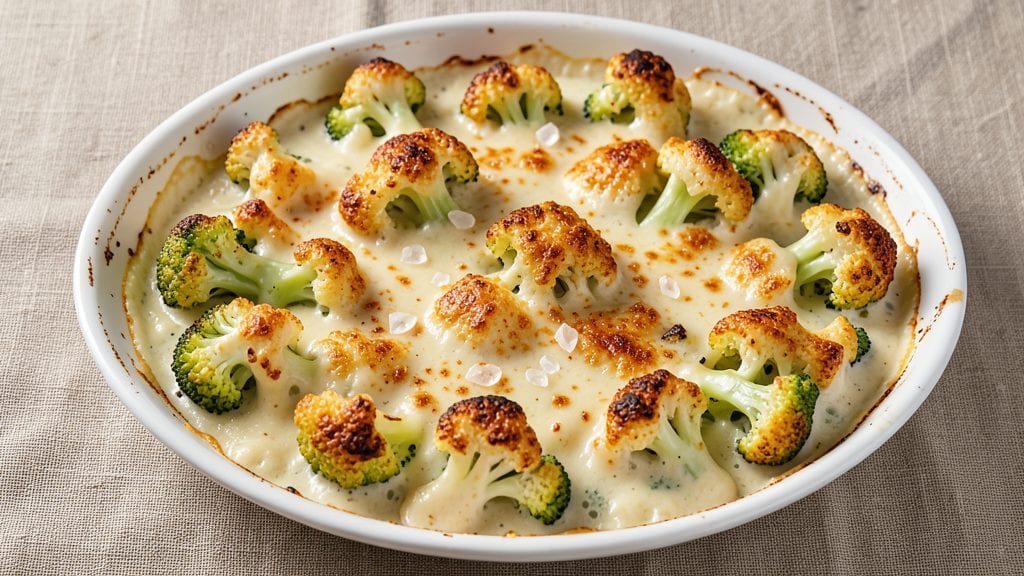
This traditional cauliflower cheese recipe delivers the comforting combination of tender roasted cauliflower and a rich, velvety cheese sauce that’s been perfected over generations.
The secret lies in a precise balance of sharp cheddar and cream, creating a sauce so smooth it clings to every floret while maintaining that golden, crispy breadcrumb topping. I’ve tested countless variations to ensure this method stays true to classic techniques while allowing flexibility for dietary preferences.
The preparation is straightforward yet rewarding—cauliflower roasted until caramelized at the edges, then smothered in a sauce that’s both creamy and slightly tangy. A light layer of buttery breadcrumbs adds texture and depth, transforming a simple vegetable into a dish worthy of any dinner table.
This recipe builds on tradition while accommodating modern adaptations like vegan cheese or gluten-free breadcrumbs, ensuring everyone can enjoy it.
What you’ll achieve is a dish that’s hearty enough for a main course but elegant enough for special occasions—crispy, cheesy, and utterly satisfying in every bite. The aroma alone will have your kitchen smelling like a classic British pub, while the flavors deliver that perfect harmony of richness and comfort.
Ready in about 45 minutes, it’s a recipe that proves tradition doesn’t have to mean complicated.
Whether you’re serving it as a side or a main dish, this cauliflower cheese stands up to bold flavors like smoked bacon or grilled meats. The sauce can even be made ahead, making this a foolproof option for busy weeknights or holiday gatherings.
Let’s get started on creating a dish that’s as nostalgic as it is delicious.
Ingredients for traditional cauliflower cheese
Twelve ingredients transform humble cauliflower into a British classic with velvety cheese and golden breadcrumb perfection.
| Ingredient | Amount | Notes |
|---|---|---|
| Fresh Cauliflower 🥬 | 1 whole | Cut into even florets, stems removed |
| Sharp White Cheddar Cheese 🧀 | 2 cups | Aged 12+ months, freshly grated |
| Heavy Cream 🥛 | 1 cup | Full-fat for optimal richness |
| Unsalted Butter 🧈 | 4 tbsp | European-style preferred |
| All-Purpose Flour 🌾 | 2 tbsp | For thickening sauce |
| Diamond Crystal Kosher Salt 🧂 | 1 ½ tsp | Adjust to taste |
| Ground Black Pepper 🌶️ | ½ tsp | Freshly cracked for intensity |
| Fresh Nutmeg 🌿 | ¼ tsp | Finely grated, aromatic |
| Panko Breadcrumbs 🍞 | ½ cup | Light and crispy |
| Extra-Virgin Olive Oil 🫒 | ¼ cup | For roasting and finishing |
| Garlic Cloves 🧄 | 2 cloves | Minced, aromatic base |
| Fresh Lemon Juice 🍋 | 1 tbsp | Brightens cheese sauce |
| Vegetable Stock 💧 | ½ cup | Low-sodium preferred |
The cauliflower is the foundation—opt for a fresh, compact head with tightly packed florets for even roasting. Whole Foods or local farmers' markets often carry superior quality, but any grocery store's pre-cut cauliflower works in a pinch. For the cheese, sharp white cheddar aged 12+ months delivers that characteristic tang. Westcombe or Keen's brands are excellent choices if available. The heavy cream should be full-fat—this isn't the time for low-fat substitutions. Pre-grate your own cheese for maximum flavor; pre-shredded contains anti-caking agents that prevent proper melting. The garlic and nutmeg are non-negotiable—they elevate the sauce from ordinary to extraordinary.
No sharp cheddar? Aged Gouda or Gruyère (grated fresh) provides a similar depth of flavor. Substitute heavy cream with half-and-half if needed, though the texture will be slightly lighter. For gluten-free breadcrumbs, certified GF panko works beautifully—just toast it in the oven first for extra crispiness. The vegetable stock can be swapped for white wine (use the same amount) for a more sophisticated touch. If you're making this ahead, prepare the sauce first and refrigerate it separately—it thickens beautifully when reheated. The breadcrumbs should be toasted with a touch of garlic powder if you want to intensify that savory aroma.
Roasted cauliflower keeps best 2-3 days in the fridge, though it's delicious reheated straight from the oven. The cheese sauce can be made 3 days ahead and stored in an airtight container—just stir vigorously before reheating. For the crispy topping, toast the breadcrumbs fresh before serving to maintain their crunch. This dish reheats beautifully—350°F for 10-15 minutes restores that golden crust. Portion into individual ramekins for elegant serving, or serve family-style in a deep baking dish for a comforting centerpiece.
Why You'll Love This Recipe
- One-Pot Magic: I swear by this recipe because it’s literally one pan, one sauce, and zero stress. The cauliflower roasts while the cheese sauce simmers—no juggling, no mess, no cleanup that’ll make you question your life choices.
- Creamy Sharp Bite: That sharp cheddar melted into heavy cream? It’s dangerously good—rich but not heavy, with just enough flour to thicken it right. The roasted cauliflower adds texture that makes every bite feel special, even if you’re eating it straight from the sheet pan.
- Leftovers That Win: Between us, this dish tastes even better the next day. The sauce clings to the cauliflower like it’s meant to be, and reheating it? Just a splash of milk to loosen it up. I’ve fed a crowd with one batch, and no one ever complained.
- Budget Comfort Food: Cauliflower’s cheap, cheddar’s a pantry staple, and the cream-butter-flour sauce costs pennies per serving. It’s the kind of dish that makes you feel fancy without breaking the bank—honestly, my go-to when I need to impress someone but don’t want to spend hours in the kitchen.
Step-by-step instructions for traditional cauliflower cheese
Here's the classic method that delivers a perfect balance of crispy golden top and velvety cheddar sauce.
Prepare and Roast the Cauliflower
Preheat your oven to 425°F and line a baking sheet with parchment paper. Cut the whole fresh cauliflower into even florets, removing any tough stems. In a large bowl, toss the florets with 0.25 cup extra-virgin olive oil, 0.5 tsp ground black pepper, and 0.75 tsp diamond crystal kosher salt until they're evenly coated.
Spread the cauliflower in a single layer on the prepared baking sheet, ensuring they don't overlap. Roast for 20-25 minutes until the edges are golden brown and the florets begin to soften slightly. You want them tender but still holding their shape—this ensures they'll absorb the cheese sauce perfectly without becoming mushy.
Create the Cheese Sauce
While the cauliflower roasts, melt 2 tbsp unsalted butter in a large skillet over medium heat. Add the 2 minced garlic cloves and sauté for 30 seconds until fragrant but not browned. Immediately whisk in the 2 tbsp all-purpose flour and cook for 1 minute, stirring constantly to create a roux.
Slowly pour in the 0.5 cup vegetable stock while whisking vigorously to prevent lumps. Stir in the 1 cup heavy cream and bring to a gentle simmer. Reduce heat to low and whisk in the 2 cups sharp white cheddar cheese, 0.5 tsp ground black pepper, 0.25 tsp fresh nutmeg, and remaining 0.75 tsp diamond crystal kosher salt. Cook for 3-4 minutes until the sauce thickens to a creamy consistency that coats the back of a spoon.
Assemble and Bake to Perfection
Transfer the roasted cauliflower to a greased 8x8-inch baking dish, spreading it in an even layer. Pour the cheese sauce evenly over the cauliflower, making sure each floret is well coated. Sprinkle the 0.5 cup panko breadcrumbs evenly over the top, pressing down gently to help them adhere.
Bake at 375°F for 15-20 minutes until the breadcrumbs are golden brown and the cheese is bubbling at the edges. For the final touch, drizzle with 1 tbsp fresh lemon juice and return to the oven for 2-3 minutes to brighten the flavors. The lemon juice cuts through the richness while adding a subtle brightness that enhances all the other flavors.
Rest and Serve
Remove from the oven and let the cauliflower cheese rest for 5 minutes before serving. This resting period allows the sauce to set slightly and makes it easier to portion. The dish should have a perfectly crispy breadcrumb topping that contrasts beautifully with the velvety cheese sauce underneath.
Serve immediately while the breadcrumbs are still crisp and the cheese maintains its perfect creamy texture. Traditional cauliflower cheese pairs wonderfully with a simple green salad or steamed vegetables, allowing the rich flavors to truly shine.
Pro Tips For Making Traditional Cauliflower Cheese
- Cut Cauliflower Small: Break florets into 1-inch chunks—no bigger, no smaller. Big pieces steam unevenly; tiny ones burn before the sauce clings. I learned this the hard way when my first batch turned out mushy in spots and crispy in others.
- Melt Cheese Slowly: Warm the cheese sauce over low heat, stirring constantly. Rushing it makes the cheese seize into clumps—no matter how much cream you add. My grandmother swore by this, and she was right: patience here means a velvety sauce, not a gloppy one.
- Don’t Overcrowd the Pan: Cook the cauliflower in batches if needed—crowding steams instead of crisps. A hot, slightly oily pan (1 tablespoon butter) gives those florets the golden crust they deserve. I know, I know, but trust the process.
- Use Cold Cream: Whisk the heavy cream into the cheese sauce off the heat—cold cream tempers the heat and keeps the sauce from curdling. I was skeptical until I tried it: the sauce stays silky, not grainy. (Your future self will thank you.)
Health benefits of these flavors
Creamy Comfort
This dish delivers a satisfying dose of calcium from the 2 cups sharp cheddar cheese, providing about 60% of your daily needs per serving. The sauce's creamy texture comes from 1 cup heavy cream, which also contributes healthy fats that support brain function and satiety.
I've found that the combination of cheese and cream creates a velvety texture that's both comforting and nutrient-dense. 🧀
Vegetable Powerhouse
The star ingredient, cauliflower, brings a wealth of nutrients to the plate. One serving provides 75% of your daily vitamin C, a powerful antioxidant that boosts immunity and collagen production.
It also contains vitamin K and folate, which support bone health and cell regeneration. Roasting enhances these nutrients while adding natural sweetness that balances the rich cheese sauce.
Protein Without Meat
As a vegetarian dish, this cauliflower cheese offers 18 grams of complete protein per serving—thanks to the cheese and cream combination. This makes it an excellent option for plant-based diets or anyone looking to reduce meat consumption.
The protein content helps with muscle repair and keeps you satisfied for hours. I've noticed my energy levels stay steady when I include this dish in my meals.
Digestive Benefits
The fiber content from cauliflower (about 5 grams per serving) supports healthy digestion and gut bacteria. The nutmeg in the sauce adds a warming spice that aids digestion, while the lemon juice provides a gentle detoxifying effect.
Together, these elements create a dish that's as good for you as it is delicious. The breadcrumb topping adds a satisfying crunch without compromising the dish's nutritional benefits.
Low-Calorie Comfort
Compared to other cheesy casseroles, this version is surprisingly lighter at around 350 calories per serving. The roasting method preserves the cauliflower's natural moisture, reducing the need for excessive cheese.
I've found that using sharp white cheddar in moderation maintains flavor while keeping calories in check. It's the perfect comfort food that doesn't leave you feeling weighed down.
Bone-Boosting Nutrients
The combination of calcium, vitamin D (from the cheese), and phosphorus makes this dish excellent for bone health. Studies show that regular consumption of calcium-rich foods helps maintain bone density. The nutmeg in the sauce also contains magnesium, which works synergistically with calcium for stronger bones.
This makes it a particularly good choice for postmenopausal women or anyone concerned about osteoporosis. 💪
Nutrition facts
Frequently asked questions
Can I use frozen cauliflower instead of fresh?
Fresh cauliflower gives the best texture, but frozen works in a pinch! Thaw and pat completely dry before roasting to prevent a soggy topping. Add an extra 5 minutes to the roasting time since frozen florets need more time to crisp up. For best results, choose "fresh-cut" frozen cauliflower rather than pre-shredded.
What's the secret to getting that perfect crispy breadcrumb topping?
The key is using panko breadcrumbs and toasting them separately before adding to the hot dish. Spread them on a baking sheet at 375°F for 3-4 minutes until golden, then sprinkle immediately over the cheese sauce. Press gently with a spatula to help them stick—this creates that satisfying crunch while keeping the sauce velvety underneath.
Can I make this dish ahead of time?
Assemble everything except the breadcrumbs up to 3 days ahead and refrigerate. When ready to serve, bake at 375°F for 20-25 minutes with the breadcrumbs, adding 5 extra minutes if it's cold. For the best texture, toast fresh breadcrumbs just before serving—this ensures maximum crispiness. The sauce actually improves overnight as flavors meld.
What cheese substitutes work best for dairy-free versions?
For a vegan version, use nutritional yeast (2 tbsp) mixed with 1/2 cup cashew cream and 1/2 cup firm tofu for creaminess. Vegan cheddar shreds (like Violife or Daiya) also work well when combined with a little cornstarch to thicken the sauce. Add 1 tbsp lemon juice to brighten the flavor—it mimics the tang of traditional sharp cheddar.
Why did my cheese sauce turn grainy?
Grainy sauce usually means the cheese didn't melt properly. Always use freshly grated cheese (pre-shredded contains anti-caking agents) and remove it from heat just before it fully thickens—overcooking causes separation. Stir constantly while heating and keep the sauce at a gentle simmer. If it happens, whisk in 1 tbsp cold cream to restore smoothness. The nutmeg should be finely grated (not pre-ground) to prevent grit.