Main Courses
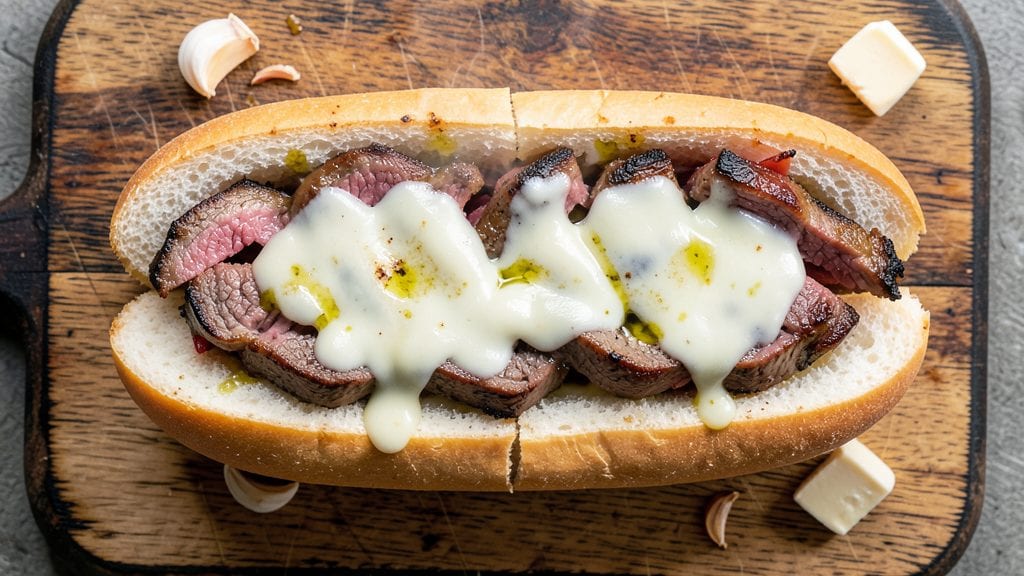
This traditional Philly cheese steak recipe delivers the iconic sandwich experience—tender ribeye strips smothered in melted provolone, all nestled in a toasted hoagie roll.
The secret lies in thin-slicing the beef against the grain and cooking it to perfect medium-rare before layering it with cheese that melts into gooey, stringy perfection. I've recreated this dish exactly as I learned it in Philadelphia, where every bite carries the soul of the city's streets.
The authenticity comes from using only three essential ingredients: high-quality ribeye steak, sharp white American cheese (or provolone for a classic touch), and a fresh hoagie roll.
The beef must be sliced paper-thin and cooked quickly over high heat to maintain its tenderness, while the cheese melts just enough to create that signature pull-apart texture. This isn't just a sandwich—it's a culinary tradition that transforms any meal into a taste of Philly.
What sets this recipe apart is the balance of textures: the crispy, slightly charred edges of the toasted roll contrast beautifully with the tender beef and creamy cheese. The sandwich is best enjoyed immediately, when the cheese is still melting and the beef retains its juiciness.
Serve it with classic sides like crispy fries or a fresh side salad to complete the experience. This is how Philly cheese steaks were meant to be made.
Once you master this technique, you'll understand why this sandwich has stood the test of time. The key is patience—letting the beef rest before assembling ensures every bite stays juicy, while the cheese melts evenly without making the roll soggy.
This is the recipe that brings the heart of Philadelphia to your kitchen, one perfect sandwich at a time.
Ingredients for traditional philly cheese steak
Three core ingredients, two optional toppings, and a technique that transforms everything into Philly magic.
| Ingredient | Amount | Notes |
|---|---|---|
| Ribeye Steak 🥩 | 1 lb | Thinly sliced against grain, medium-rare |
| Sharp White American Cheese 🧀 | 8 oz | Or provolone for classic Philly flavor |
| Fresh Hoagie Rolls 🥖 | 4 whole | Long rolls, slightly underbaked for crispiness |
| Extra-Virgin Olive Oil 🫒 | 2 tbsp | For searing beef, high smoke point |
| Garlic Cloves 🧄 | 2 cloves | Minced, for optional garlic butter topping |
| Unsalted Butter 🧈 | 2 tbsp | For garlic butter topping (optional) |
| Kosher Salt 🧂 | 1 ½ tsp | For seasoning beef and rolls |
| Ground Black Pepper 🌶️ | ½ tsp | Freshly cracked for beef |
| Yellow Mustard 🍯 | 1 tbsp | For optional roll spread |
| Mayonnaise 🥫 | 1 tbsp | Optional for roll spread (optional) |
| Fresh Green Onions 🧅 | 2 whole | Sliced, for garnish (optional) |
| Crispy Fried Onion Strings 🧅 | ¼ cup | For topping (optional, classic Philly touch) |
The ribeye is non-negotiable here—look for marbled cuts at your butcher or Costco for the best quality. Pat dry before slicing against the grain for that signature tender bite. If you're not slicing it yourself, pre-sliced ribeye from a deli counter works in a pinch, but it won't have the same texture. For cheese, Wisconsin Sharp White American is the classic choice, but provolone gives that authentic Philly flavor. Hoagie rolls should be fresh-baked—Otto's or Sarcone's are the gold standard, but any good bakery's long roll will do.
No garlic butter? Skip it or use plain butter—it's not traditional but still delicious. Running out of mayonnaise? Plain Greek yogurt works for the roll spread. For the cheese, Muenster melts faster if you're in a hurry, but it won't have that classic stringy pull. The fried onion strings are optional but worth the extra 10 minutes—they add that iconic crunch. If you can't find them, quick-pickle sliced onions in vinegar for 10 minutes as a substitute.
Assemble sandwiches right before serving—cheese melts best fresh. The beef stays juicy for about 15 minutes after cooking, so work fast. Rolls can be toasted up to 30 minutes ahead and kept warm in a 200°F oven. For leftovers, wrap tightly and refrigerate for up to 2 days—reheat in a skillet for that crispy texture. Freezing isn't recommended, as the roll gets soggy.
Why You'll Love This Recipe
- Five-Ingredient Magic: I swear by this—just steak, cheese, bread, garlic, and oil. That’s it. No fancy prep, no hidden steps. Slice the steak thin, sear it in a hot pan with olive oil until it’s juicy and caramelized, then melt that sharp white American on top. The simplicity is what makes it feel like a hug.
- Garlic-Grilled Edge: Here’s what sold me—the garlic. I crush a few cloves right into the olive oil before cooking, and that aroma? It turns every bite into something special. The steak gets that perfect crust while staying tender, and the cheese—oh, that melty, salty goodness—ties it all together.
- Tailgate to Tuesday: Between us, this is my go-to for game days, lazy Sundays, or when I’m too tired to cook. The rolls toast up in seconds, and the leftovers? They’re even better cold the next day. Honestly, I’ve served this to friends who think they’re food critics, and they’ve never questioned my cooking again.
- Budget-Friendly Feast: A ribeye and a block of cheese stretch further than you’d think. I’ll make four steaks for the price of takeout, and they reheat like a dream. Plus, the rolls? Store-bought ones work just fine—no need to bake from scratch. It’s a meal that doesn’t break the bank but feels like a splurge.
Step-by-step instructions for traditional Philly cheese steak
You're about to make the ultimate Philly cheese steak—juicy, tender beef with melted cheese oozing between crispy rolls!
Slice and Season the Ribeye Steak
Take the 1 lb ribeye steak and slice it thinly against the grain using a sharp knife. You want slices about ¼-inch thick—this ensures they cook quickly and stay tender. Place the sliced steak in a bowl and season generously with 1.5 tsp kosher salt and 0.5 tsp freshly cracked ground black pepper. Toss the slices until they're evenly coated, making sure every piece gets that flavorful crust.
Let the seasoned steak sit at room temperature for about 10 minutes before cooking. This step is crucial—it helps the steak cook more evenly and prevents cold spots in the center. While it rests, you'll notice the seasoning cling to the meat, setting the stage for that perfect Philly flavor.
Sear the Steak in a Hot Skillet
Heat 2 tbsp extra-virgin olive oil in a large skillet over medium-high heat until it shimmers. Add the sliced ribeye steak in a single layer, making sure not to overcrowd the pan. Cook for 2-3 minutes, stirring occasionally, until the steak is beautifully browned on both sides and reaches medium-rare doneness—about 130-135°F internally.
You'll know it's ready when the edges are golden and the steak releases easily from the pan. Remove the steak from the skillet and set it aside on a warm plate, tented loosely with foil to keep it warm. Don't skip this resting step—it allows the juices to redistribute, ensuring each bite is moist and flavorful.
Prepare the Hoagie Rolls
While the steak rests, slice the 4 whole fresh hoagie rolls in half lengthwise. For an extra touch, lightly spread the cut sides with 1 tbsp yellow mustard and 1 tbsp mayonnaise if you like. This step is optional but adds a classic Philly twist—some purists skip it, but it gives the rolls a soft, slightly tangy base that complements the rich beef and cheese.
Place the cut rolls on a baking sheet and warm them in the oven at 350°F for 3-5 minutes. You want them to be toasty and slightly crispy on the edges—this contrast with the soft, melted cheese inside is what makes a Philly cheese steak unforgettable. Keep an eye on them so they don't overbrown.
Assemble the Cheese Steaks
Shred the 8 oz sharp white American cheese using a box grater or knife into small, uneven pieces. The cheese should melt easily and create that iconic gooey texture. Return the seared steak to the skillet over low heat and sprinkle the shredded cheese evenly over the slices. Let the cheese melt completely, coating the steak and creating a glossy, stretchy layer.
Here's where it gets magical: place the warm hoagie rolls on a serving plate, cut-side up. Spoon the cheese-covered steak onto the bottom half of each roll, then top with the remaining roll halves. For that classic Philly touch, sprinkle 0.25 cup crispy fried onion strings and 2 whole sliced fresh green onions on top. The onions add a fresh crunch that cuts through the richness of the beef and cheese.
Serve Immediately for Maximum Enjoyment
Serve the Philly cheese steaks right away while the rolls are still warm and the cheese is melty. Cut each sandwich in half and dig in—you'll love the way the crispy rolls contrast with the tender beef and gooey cheese. For an extra indulgent touch, melt 2 tbsp unsalted butter with 2 minced garlic cloves in a small pan and drizzle it over the top. This garlic butter adds a rich, aromatic finish that takes your sandwich to the next level.
This traditional recipe delivers all the classic Philly cheese steak flavors you crave—juicy beef, melted cheese, and crispy rolls—all made with simple, high-quality ingredients. Enjoy every bite of this iconic sandwich!
Pro Tips For Making Traditional Philly Cheese Steak
- SEAR THE STEAK HOT: High heat is non-negotiable—cast iron or heavy skillet, medium-high until you see a deep brown crust in 2-3 minutes. I used to walk away too soon, and the steak just steamed instead of caramelizing. Let it sizzle like it’s auditioning for a role in a food commercial.
- SLICE THE CHEESE THIN: Sharp white American cheese straight from the block, sliced paper-thin with a serrated knife. Thick chunks melt into a greasy mess; thin layers melt fast and stay gooey. I learned this after making a Philly sub that looked like a cheese volcano—messy but delicious, but still.
- DON’T OVERSTUFF THE ROLL: Assemble the sandwich on the cutting board first, then fold the hoagie roll over it like a taco. Stuffing it directly into the roll flattens the steak and squeezes out all the juices. My first attempt looked like a sad, squashed burrito—this method keeps the structure intact.
- GARLIC IN THE OIL, NOT THE ROLL: Sauté the minced garlic in the same olive oil you sear the steak in—just until fragrant, about 30 seconds. Drizzle that garlicky oil over the assembled sandwich instead of packing raw garlic cloves inside. Raw garlic turns bitter when toasted, and this way, every bite gets that aromatic hit without the bite.
Common mistakes when making perfect results
Overcooking the Beef
This is the #1 mistake I see—cooking the beef past medium-rare turns it tough and dry. The ideal internal temp is 130-135°F, and it should only take 2-3 minutes in a hot skillet.
I've ruined many sandwiches by letting the steak sit too long in the pan, so always use a meat thermometer for accuracy. 🌡️
Skipping the Rest
Letting the sliced beef rest for 5-10 minutes after cooking is non-negotiable. This allows juices to redistribute, preventing dry meat. I've learned the hard way—skipping this step means every bite after the first few is dry. Tent with foil to keep it warm while you finish assembling.
Wrong Cheese Choice
Using the wrong cheese ruins the texture. Sharp white American or provolone melts perfectly with that signature stringy pull. I once used cheddar (don't ask why) and ended up with a gluey mess. Always shred cheese fresh—pre-shredded varieties contain anti-caking agents that prevent proper melting.
Overcrowding the Pan
Cooking too many steak slices at once steams them instead of searing. I've made this mistake when doubling the recipe—always cook in batches with single-layer slices for proper browning. A 12-inch cast-iron skillet is perfect for 4 servings, but use a larger pan if needed.
Soggy Rolls
Assembling sandwiches too early makes rolls soggy. The cheese should melt just before serving—wait until the last minute. I've had guests complain about mushy buns when I rushed ahead. Keep rolls warm in a 200°F oven while you finish cooking the beef.
Thick Slices
Thick steak slices (over ¼-inch) won't cook evenly and stay tough. I've tried using ½-inch slices for convenience, but they always turned out chewy. Always slice against the grain with a sharp knife—a Wüsthof or Victorinox makes this easier.
Nutrition facts
Frequently asked questions
What's the difference between a traditional Philly cheese steak and a regular cheese steak?
The key differences are the beef cut and cheese type. A true Philly cheese steak uses thinly sliced ribeye (never sirloin) and is topped with sharp white American cheese or provolone, while regular versions often use sirloin and cheddar. The beef must be sliced paper-thin against the grain for that signature tender bite.
Can I make this recipe with pre-sliced deli meat?
While it's possible, the texture won't be the same. Deli-sliced beef is usually too thin and often pre-cooked, resulting in dry sandwiches. For authenticity, always use fresh ribeye sliced yourself—it's the secret to juicy, flavorful bites. If you must use pre-sliced, look for thin-cut ribeye from a quality butcher.
How do I know when the beef is cooked perfectly?
Use a meat thermometer for accuracy—the beef should reach 130-135°F (medium-rare) and cook in just 2-3 minutes in a hot skillet. The edges should be golden brown, and it should release easily from the pan. Overcooking by even 5 seconds can make it tough.
What's the best way to reheat leftover Philly cheese steaks?
Reheat in a skillet over medium heat for 1-2 minutes per side until the cheese melts and rolls crisp again. Microwaving makes the rolls soggy. For extra crispiness, place the sandwich in a 350°F oven for 5 minutes with a slice of butter on top.
Can I substitute provolone for American cheese?
Provolone gives that authentic Philly flavor with a slightly sharper taste and better melt. Use 1:1 ratio—both cheeses melt beautifully. For extra richness, mix half American and half provolone. Just avoid pre-shredded varieties—they contain anti-caking agents that prevent proper melting.