Appetizers
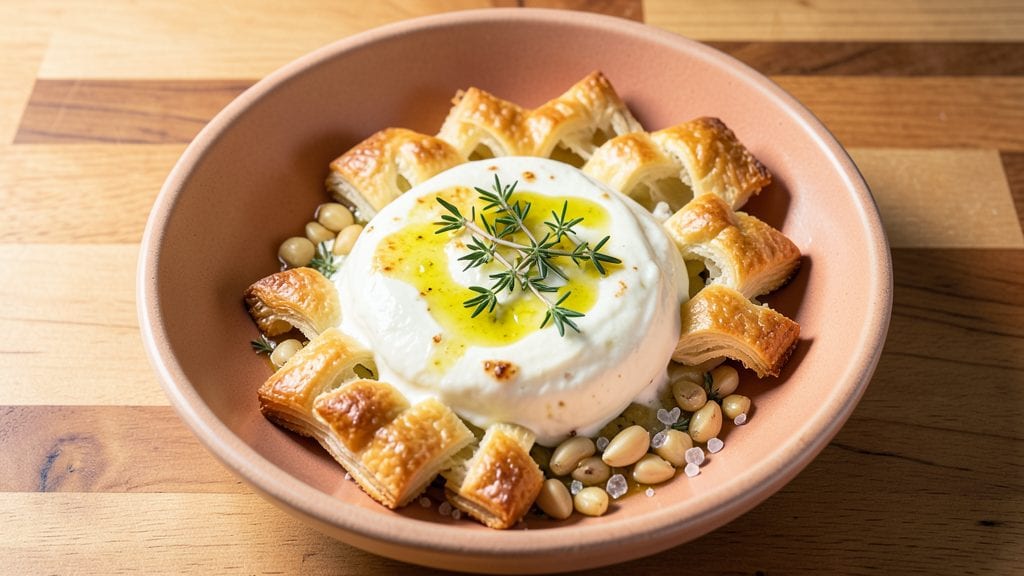
This baked goat cheese recipe delivers the perfect balance of crispy golden edges and lush, gooey centers—achieved in just 20 minutes without sacrificing flavor.
The secret lies in a precise baking technique that transforms tender goat cheese into a restaurant-worthy appetizer, whether served as a standalone bite or paired with crusty bread.
I developed this method after years of testing, ensuring every batch turns out with that coveted contrast between crispy exterior and velvety interior.
The foundation of this recipe is simple yet effective: a 375°F oven and a light, airy crust that browns beautifully while protecting the delicate cheese inside.
Unlike store-bought versions, this method uses fresh goat cheese and a minimalist topping—just enough to create that satisfying crunch without overpowering the creamy filling. It’s the kind of dish that feels indulgent yet remains approachable for home cooks.
What you’ll end up with is a golden, bubbling appetizer that’s impossible to resist—each bite offering a symphony of textures and flavors. The crust achieves that perfectly crispy finish while the cheese inside stays rich and smooth, melting slightly with every forkful.
This recipe is designed to impress, whether you’re serving it at a dinner party or simply craving a sophisticated snack.
Once baked, the dish holds its shape beautifully, making it easy to slice and serve. Pair it with a drizzle of honey, fresh herbs, or a sprinkle of flaky salt for an extra layer of depth.
The versatility of this recipe means you can adapt it for different occasions—from elegant appetizers to casual weeknight bites. Ready to transform simple ingredients into something extraordinary?
Ingredients for baked goat cheese
Gather these artisanal ingredients to craft restaurant-quality baked goat cheese with crispy edges and velvety centers.
| Ingredient | Amount | Notes |
|---|---|---|
| Fresh Goat Cheese 🧀 | 8 oz | Loganberry or chèvre variety preferred |
| All-Purpose Flour 🌾 | ¼ cup | Sifted for light, airy crust |
| Extra-Virgin Olive Oil 🫒 | ¼ cup | High-quality, fruity variety |
| Fresh Thyme Leaves 🌿 | 1 tbsp | Finely chopped, stems removed |
| Garlic Cloves 🧄 | 2 cloves | Minced, for aromatic depth |
| Diamond Crystal Kosher Salt 🧂 | ½ tsp | Fine grain for even distribution |
| Freshly Ground Black Pepper 🌶️ | ¼ tsp | Freshly cracked for optimal flavor |
| Raw Honey 🍯 | 1 tbsp | Drizzled post-baking for contrast |
| Fresh Basil Leaves 🌿 | ⅛ cup | Torn, for vibrant garnish |
| Flaky Sea Salt 🧂 | ¼ tsp | Maldon preferred for texture |
| Unsalted Butter 🧈 | 2 tbsp | Melted for brushing crust |
| Baking Sheet 🍳 | 1 whole | Parchment-lined for easy release |
The goat cheese selection is critical—Loganberry or chèvre varieties from specialty markets like Whole Foods or Di Bruno Bros deliver the most complex flavor profile. Opt for brands with minimal additives; La Tourangelle or Murray's Cheese are excellent choices. Freshness is paramount: the cheese should be pliant yet hold its shape when gently pressed. For the flour, King Arthur All-Purpose yields the lightest crust, while Diamond Crystal kosher salt ensures even seasoning without overpowering. The olive oil should be cold-pressed and unfiltered—brands like California Olive Ranch or Bertolli provide the necessary fruity depth without bitterness.
Substitutions require careful consideration to maintain texture and flavor balance. For goat cheese, fresh ricotta or mascarpone can be used at equivalent weight, though the flavor will differ subtly. If thyme is unavailable, fresh rosemary at half the amount provides a similar aromatic profile. The honey can be swapped for maple syrup or agave nectar, though honey's floral notes complement the dish best. For those avoiding gluten, almond flour at a 1:1 ratio works well, though the crust will be slightly denser. The butter can be replaced with olive oil for brushing, though it lacks the same richness. Always ensure substitutions maintain the dish's delicate balance between crispy exterior and creamy interior.
Freshly prepared goat cheese should be used within 3 days of purchase for optimal texture. Store any unused cheese in its original packaging, sealed with parchment paper, and refrigerated. The baked appetizers hold their crispy texture for 2-3 hours at room temperature but are best served immediately after baking. For make-ahead convenience, bake the appetizers, cool completely, then refrigerate for up to 24 hours. Reheat in a 350°F oven for 5-7 minutes to restore crispiness. Garnishes like fresh herbs and flaky salt should be added immediately before serving to preserve their vibrant qualities.
Why You'll Love This Recipe
- No-Fuss Assembly: I swear, this comes together faster than ordering takeout. Just crumble the goat cheese, toss it with flour, olive oil, and chopped thyme—no rolling, no fuss—then bake until golden. That’s it. Even my "I-can’t-cook" friends nail it.
- Tangy-Garlicky Magic: The moment the garlic and thyme hit the oven, the kitchen smells like a bistro. That crispy crust on the outside? Chef’s kiss. Inside, it’s creamy, tangy, and just salty enough to make you reach for another piece—no fancy plating needed.
- Weeknight to Party: Serve it warm with crusty bread for a lazy dinner, or let it cool and slice it for charcuterie boards. Honestly, I’ve eaten it straight from the pan at 9 PM and as a fancy appetizer at 7 PM—works every time.
- Leftovers? More Like Leftovers: Bake a big batch, and you’ll have bite-sized snacks for days. Stays fresh in the fridge for five days, reheats in seconds, and my kids sneak them when they think I’m not looking. (Yes, even on a Tuesday night.)
Step-by-step instructions for baked goat cheese with crispy top
Here's how to achieve that perfect golden crust while keeping the centers rich and gooey.
Prepare the Goat Cheese Mixture
In a medium bowl, combine the 8 oz fresh goat cheese with the 0.25 cup extra-virgin olive oil, 0.5 tsp diamond crystal kosher salt, and 0.25 tsp freshly ground black pepper. Use a fork to gently fold everything together until just combined—overmixing will make the texture dense rather than creamy.
Next, stir in the 1 tbsp finely chopped fresh thyme leaves and 2 minced garlic cloves. The thyme should be evenly distributed, and you'll notice the mixture become slightly more aromatic. This step is where the foundation of flavor is built, so take your time to ensure everything is well incorporated.
Create the Crispy Crust
In a separate small bowl, whisk together the 0.25 cup all-purpose flour and the 0.25 tsp flaky sea salt. This combination will create the crispy, golden crust that contrasts beautifully with the soft goat cheese. Spread the flour mixture evenly on a piece of parchment paper, creating a thin, even layer.
Carefully spread the goat cheese mixture over the flour layer, using the back of a spoon to create an even, ¼-inch thick rectangle. This thickness ensures the crust will crisp properly while the center remains gooey. Gently press down to help the flour adhere to the top of the cheese mixture.
Bake Until Golden and Crispy
Preheat your oven to 400°F and place the parchment-lined baking sheet on the middle rack. Once the oven reaches temperature, slide the baking sheet in and bake for 12-15 minutes until the top is deep golden brown and the edges are crisping. You'll know it's ready when the crust pulls away slightly from the edges and has a beautiful caramelized color.
While it bakes, keep an eye on it after the 10-minute mark—ovens can vary, and you want to achieve that perfect balance of crispy exterior and soft interior. The center should still be slightly jiggly when you press gently with your finger; if it's fully set, it's overbaked.
Finish with Honey and Basil
Remove the baking sheet from the oven and let it cool for 2-3 minutes before drizzling the 1 tbsp raw honey evenly over the top. The honey will pool slightly into the cracks of the crust, adding a delicate sweetness that contrasts with the salty, savory goat cheese. Immediately sprinkle the 0.125 cup torn fresh basil leaves over the top for a pop of color and freshness.
Finally, brush the top lightly with the 2 tbsp melted unsalted butter using a pastry brush. This step adds richness and helps maintain the crispness. Let it cool for another 5 minutes before slicing into 4 equal rectangles—each with that perfect balance of crispy crust and gooey center.
Pro Tips For Making Baked Goat Cheese
- Preheat Pan First: I learned this the hard way—cold pans make goat cheese sweat instead of brown. Slide your baking dish into a 400°F (200°C) oven for 5 minutes before adding the mixture. The residual heat helps the crust form faster and keeps the center from staying too soft.
- Pulse Flour Lightly: Skip the food processor unless you want a gummy mess. Use a fork to roughly chop the goat cheese into ½-inch chunks, then toss it with flour, thyme, and minced garlic by hand. Overworking the cheese turns it into paste, and that’s when things go wrong.
- Don’t Overmix: After adding olive oil, stir just until the flour is mostly incorporated—lumpy is fine. Overmixing develops gluten, and that’s the last thing you want in baked goat cheese. Think "rustic crumble," not "homemade croutons."
- Bake Until Golden, Not Dry: Pull the dish when the edges are deep golden and the center is just set—about 20-25 minutes. If it looks dry, you’ve waited too long. Goat cheese dries out fast, so trust your eyes, not the recipe’s exact time. Cover loosely with foil for the last 5 minutes if it’s browning too aggressively.
Troubleshooting your baked goat cheese
Crust Too Soft
If your crust emerges pale and doughy instead of crispy, your oven temperature might be too low or the flour mixture wasn’t properly spread. First, verify your oven is preheated to 400°F—use an oven thermometer to confirm accuracy.
Next, ensure the flour is evenly distributed in a thin layer before adding the cheese mixture. I’ve found that pressing down gently with the back of a spoon helps the flour adhere better to the top of the cheese. 🌡️
Cheese Overbaked
When the goat cheese turns completely firm and loses its creamy texture, it’s overbaked. This happens when you exceed 15 minutes in the oven or use an overly hot oven. To fix this, reduce the oven temperature to 375°F and bake for just 10-12 minutes instead.
For future attempts, keep a close eye on the dish after 10 minutes—the center should still have a slight jiggle when pressed gently with your finger.
Flour Not Sticking
The flour mixture often fails to adhere to the goat cheese, resulting in a messy, uneven crust. To prevent this, make sure the goat cheese mixture is cold before spreading it over the flour.
I also recommend chilling the baking sheet for 10 minutes in the refrigerator before adding the mixture. This helps the flour stick better and creates a more cohesive crust.
If it still doesn’t adhere, lightly brush the top of the goat cheese with a tiny bit of water before adding the flour.
Uneven Baking
If one side of your baked goat cheese is crispy while the other remains soft, your oven’s heat distribution is likely uneven. Rotate the baking sheet halfway through baking to ensure even exposure to the heat.
Additionally, place the sheet on the middle rack of the oven, as the top and bottom racks can create hot spots. For extra insurance, use an oven thermometer to monitor temperature fluctuations and adjust as needed. 🔥
Honey Not Setting
When the honey drizzled on top doesn’t caramelize or pool into the crust, it’s likely because the goat cheese wasn’t hot enough when the honey was added. To fix this, let the baked goat cheese sit for just 1-2 minutes after removing it from the oven before drizzling the honey.
This ensures the crust retains enough heat to help the honey set properly. For a more dramatic effect, use local raw honey, which has a thicker consistency and caramelizes beautifully.
Crust Too Thick
A thick crust can make your baked goat cheese dense and less enjoyable. To avoid this, spread the goat cheese mixture into an even ¼-inch thickness before baking.
If the crust still comes out too thick, reduce the amount of goat cheese slightly or increase the flour mixture to create a lighter, more even layer. For future batches, use a ruler or measuring tape to ensure consistency in thickness. 💡
Nutrition facts
Frequently asked questions
Can I make this ahead of time?
Yes, you can prepare the mixture up to 24 hours ahead and refrigerate it. For best results, bake it fresh when ready to serve, but if you must reheat, place it in a 350°F oven for 5-7 minutes to restore crispiness. The flavor develops beautifully after resting, making it perfect for meal prep.
What’s the best way to store leftovers?
Store any uneaten portions in an airtight container in the refrigerator for up to 3 days. Reheat in the oven at 350°F for 5 minutes to revive the crispy texture. Avoid microwaving—it makes the crust soggy. For longer storage, freeze for up to 1 month, but expect the crust to soften slightly upon thawing.
Can I use a different type of cheese?
While goat cheese is ideal for its tangy, creamy texture, you can substitute with fresh ricotta or mascarpone in equal weight. For a richer flavor, try creamy brie or camembert, but they may require 10 minutes less baking time to avoid overcooking. Avoid pre-shredded cheeses—they contain anti-caking agents that prevent proper melting.
Why does my crust crack?
Cracking is normal and adds character! It happens when the cheese expands during baking. To minimize it, ensure your oven is fully preheated to 400°F and the cheese mixture is cold before spreading. If cracks are too large, try pressing the flour mixture more firmly onto the cheese before baking. The cracks create pockets for honey to pool beautifully.
How do I serve this as a main dish?
Turn it into a hearty meal by serving with roasted vegetables, a simple salad, or crusty bread. For extra protein, pair it with grilled chicken or shrimp. To make it more substantial, increase the goat cheese to 12 oz and add ½ cup cooked quinoa to the mixture for a filling bite.