Appetizers
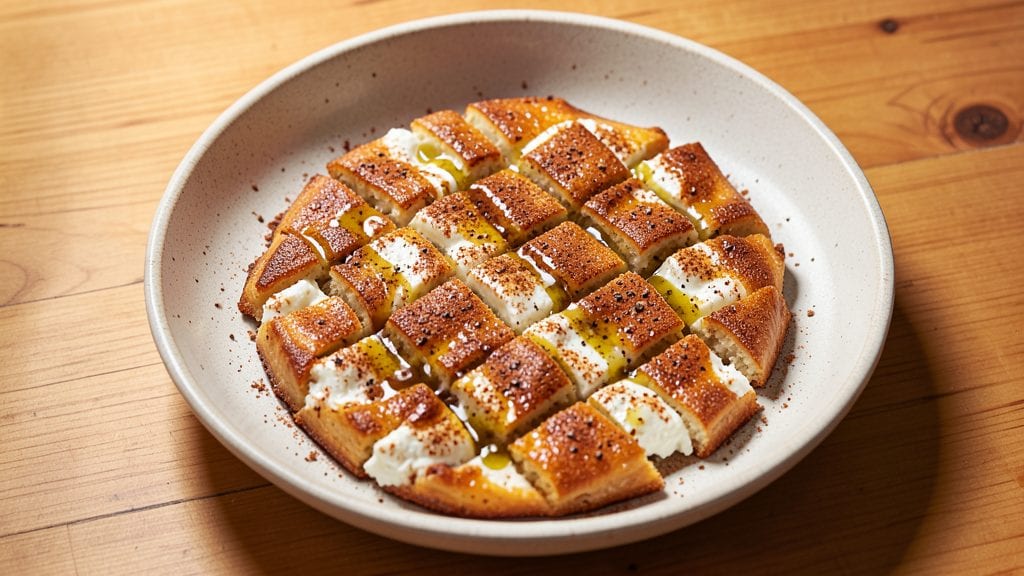
This cottage cheese bark recipe transforms a simple pantry staple into a creamy, crispy delight that’s perfect for parties or snacking. The magic lies in blending cottage cheese with sweet or savory toppings, then baking until golden—creating a texture that’s both satisfying and unexpected.
I developed this recipe after realizing how versatile cottage cheese could be beyond traditional breakfast bowls.
The process is straightforward: mix cottage cheese with your choice of sweeteners or seasonings, spread it evenly on a baking sheet, and top with your favorite mix-ins.
Baking at 350°F for 20-25 minutes yields a crispy exterior with a soft, creamy center—just like a cross between a cracker and a cheesecake. It’s a foolproof technique that works for both sweet and savory variations.
Whether you’re hosting a gathering or craving a unique snack, this recipe delivers restaurant-quality results with minimal effort. The contrast of textures—crunchy top, creamy swirl—makes every bite irresistible. Plus, it’s customizable: add honey and nuts for sweetness or herbs and spices for a savory twist.
Serve it at room temperature for the best texture, or store in an airtight container for up to 5 days. The possibilities are endless—let’s make this your next go-to appetizer!
Ingredients for cottage cheese bark
Pantry staples meet restaurant-quality texture—just 13 ingredients for crispy, creamy bites everyone will crave.
| Ingredient | Amount | Notes |
|---|---|---|
| Large Egg Curds Cottage Cheese 🧀 | 16 oz | Full-fat for creaminess |
| Extra-Virgin Olive Oil 🫒 | 2 tbsp | For crispy texture |
| Granulated Sugar 🍯 | ¼ cup | Or honey for sweetness |
| Vanilla Extract 🌸 | 1 tsp | Pure vanilla preferred |
| Diamond Crystal Kosher Salt 🧂 | ½ tsp | Fine grain preferred |
| Ground Cinnamon 🌿 | ½ tsp | Optional for warmth |
| Toasted Pecans 🥜 | ½ cup | Chopped for texture |
| Flaky Sea Salt 🧂 | 2 tbsp | For finishing touch |
| Unsalted Butter 🧈 | 2 tbsp | Melted for brushing |
| Freshly Ground Black Pepper 🌶️ | ¼ tsp | For subtle kick |
| Fresh Rosemary 🌿 | ¼ cup | Chopped for savory twist |
| Smoked Paprika 🌶️ | ½ tsp | For depth of flavor |
| Dark Chocolate Chips 🍫 | ¼ cup | Optional for sweet version |
The cottage cheese is the star, so full-fat is non-negotiable—it delivers that perfect creamy swirl. Trader Joe's or Whole Foods carry excellent large-curd options, but any 4% fat or higher works. I always grab the organic version from Costco for big batches—it's cheaper per ounce. The pecans? Toast them first in a dry pan until golden (about 3 minutes)—that extra crunch makes all the difference. For the chocolate chips, Ghirardelli melts beautifully and adds richness without overpowering.
No pecans? Walnuts or almonds work just as well—just toast them first. Want to keep it savory? Skip the sugar and swap in crumbled feta and dried oregano instead. The vanilla extract can be omitted if you prefer a more neutral sweetness, but I find it adds that bakery-like depth. For the sweet version, maple syrup makes a great sugar substitute—use half the amount. The smoked paprika is optional but adds a restaurant-quality touch that elevates everything. And if you're short on time, pre-chopped nuts from the bulk section save minutes without sacrificing texture.
This keeps beautifully for 5 days in an airtight container at room temperature, though it's best enjoyed within 2 days for maximum crispiness. For longer storage, freeze portions in single-serving bags—they thaw in 15 minutes at room temperature. I like to portion mine into small glass jars for easy snacking. The savory version reheats well in a 200°F oven for 5 minutes to restore that crispy edge, while the sweet version is best served straight from the fridge.
Why You'll Love This Recipe
- No-Fuss Crunch: This takes less time than microwaving leftovers. Spread the curds, sprinkle sugar and salt, bake—done. No mixing, no waiting, no stress. That caramelized sugar crust? Happens while you’re making dinner.
- Sweet-Savory Magic: The vanilla and olive oil give it this weirdly sophisticated depth, but the salt? Chef’s kiss. It’s like a dessert and a snack had a baby—creamy, crispy, and just a little bit addictive. Honestly, I reach for this instead of cookies.
- Snack Attack Ready: Break it into shards for grab-and-go mornings or pack it in lunchboxes. Kids adore the texture, and it’s the only thing I’ve ever made that survives my toddler’s lunchbox and still tastes good. (Yes, even on a Tuesday.)
- Pantry Goldmine: You’re using cottage cheese, sugar, and olive oil—stuff you already have. No weird ingredients, no last-minute grocery runs. And the leftovers? They last weeks in the fridge, tasting better with each passing day. Budget win.
Step-by-step instructions for cottage cheese bark
Transform simple ingredients into a creamy, crunchy masterpiece with this foolproof technique.
Prepare the Cottage Cheese Base
In a medium mixing bowl, combine the 16 oz large egg curds cottage cheese, 2 tbsp extra-virgin olive oil, 0.25 cup granulated sugar, 1 tsp vanilla extract, 0.5 tsp diamond crystal kosher salt, 0.5 tsp ground cinnamon, and 0.25 tsp freshly ground black pepper. Use a hand mixer or stand mixer fitted with the paddle attachment to blend everything on medium speed for 3-4 minutes until completely smooth and creamy.
This blending process is crucial—it ensures the cottage cheese achieves that velvety texture we're after. You'll know it's ready when the mixture looks uniform and leaves a clean streak on the side of the bowl. If you prefer a sweeter version, you can substitute the granulated sugar with 0.25 cup honey at this stage, though the sugar provides a more stable base for the bark.
Fold in Add-Ins for Texture and Flavor
Using a silicone spatula, gently fold in the 0.5 cup toasted pecans, 0.25 cup chopped fresh rosemary, and 0.5 tsp smoked paprika. Be careful not to overmix—just combine until everything is evenly distributed throughout the mixture. The pecans will add delightful crunch, while the rosemary and smoked paprika bring a savory depth that pairs beautifully with the creamy cottage cheese.
For a sweet variation, now is the time to fold in the 0.25 cup dark chocolate chips. If you're making the savory version, skip this step entirely. The chocolate chips will melt slightly during baking, creating pockets of rich sweetness throughout the bark. If you're feeling adventurous, you could also add a handful of chopped dried cranberries at this stage for extra fruitiness.
Prepare the Baking Pan for Perfect Texture
Preheat your oven to 350°F. Line a 9x13-inch baking dish with parchment paper, leaving an overhang on the sides for easy removal later. Lightly brush the bottom of the prepared pan with 2 tbsp melted unsalted butter—this creates a barrier that prevents sticking and adds subtle richness to the finished bark.
Spread the cottage cheese mixture evenly into the prepared pan, using the back of a spoon to create gentle swirls on the surface. This isn't just for looks—those swirls will create beautiful visual contrast when the bark bakes. The mixture should be about ½-inch thick throughout the pan. If it's too thick in some spots, gently spread it out with a spatula for even baking.
Bake Until Set and Golden
Bake the cottage cheese bark for 25-30 minutes, or until the edges are golden brown and the center is just set but still slightly jiggly when gently shaken. The top should look dry to the touch, and the sides should pull away from the pan easily when you lift a corner with a spatula.
Here's where attention to detail pays off: If you notice the bark browning too quickly, tent it loosely with aluminum foil for the last 5-10 minutes of baking to prevent over-browning. The bark should be firm enough to slice but still have that creamy interior. Remove from the oven and let it cool completely in the pan—this resting period allows the flavors to meld and the texture to set properly.
Finish and Serve with Crunchy Topping
Once completely cooled, carefully transfer the bark onto a cutting board using the parchment paper overhang. Sprinkle generously with 2 tbsp flaky sea salt—this is the finishing touch that elevates the entire dish. The salt enhances all the flavors and provides that satisfying crunch contrast against the creamy base.
Using a sharp knife, cut the bark into 1-inch squares or rectangles, depending on your preference. Serve immediately or store covered in the refrigerator for up to 5 days. For an extra-special presentation, you can also drizzle a little extra-virgin olive oil over the top before serving. This cottage cheese bark delivers that perfect balance of creamy, crunchy, and savory—each bite is a revelation of textures and flavors working in harmony.
Pro Tips For Making Cottage Cheese Bark
- Preheat Pan Properly: Get that pan screaming hot—medium-high heat for 3-4 minutes before adding the cottage cheese mixture. I learned this the hard way when my first batch stuck like glue; the cheese needs that initial shock of heat to set up fast and develop that crispy bottom layer.
- Drain Cheese Thoroughly: Skip the watery mess by draining the cottage cheese in a fine-mesh strainer for 10 minutes before mixing. The extra moisture throws off the texture, and you’ll end up with a gummy bark instead of a crispy one—trust me, I’ve made that mistake.
- Salt in Stages: Add half the salt to the wet ingredients, then sprinkle the rest after baking while the bark is still warm. This keeps the crust from getting too salty too soon, and the residual heat lets the salt melt into the cheese for even distribution.
- Use a Light Hand: Don’t overmix the cottage cheese batter—just fold in the sugar and vanilla until just combined. Overworking it turns the texture dense and rubbery, and you’ll lose that delicate, cloud-like crumb you’re after. Stir like you’re afraid of breaking it.
Troubleshooting perfect results
Overmixed Cottage Cheese
If your mixture looks lumpy or grainy after blending, you’ve likely overmixed it. Cottage cheese is delicate—overworking it with a mixer can create air bubbles and break down its natural texture. Stop blending as soon as it’s smooth (usually 3-4 minutes on medium speed).
For stubborn lumps, press the mixture through a fine-mesh sieve before spreading it in the pan. This ensures a silky-smooth base for that perfect creamy swirl. 💫
Bark Not Crispy Enough
The key to crispy bark is baking it just until the edges turn golden brown. If yours turns out soft, try these fixes: Increase the oven temperature to 375°F for the last 5-10 minutes of baking, or bake it for an extra 5 minutes.
For a restaurant-style crunch, sprinkle 1 tbsp cornstarch over the top before baking—it creates a crispy crust while keeping the inside creamy.
Uneven Baking or Soggy Center
If your bark has a dry exterior but a gummy center, it likely didn’t bake long enough. The center should be just set (slightly jiggly) when you remove it from the oven.
For future batches, bake for 5-10 minutes longer or check the internal temperature—it should reach 160°F at the thickest part. To prevent sogginess, ensure your cottage cheese mixture is room temperature before spreading it in the pan.
Sticking to the Pan
If your bark sticks stubbornly to the parchment or pan, the issue is usually moisture or insufficient butter. Always brush the pan with 2 tbsp melted unsalted butter before spreading the mixture, and use high-quality parchment paper (like Reynolds Non-Stick or Starfrit).
For extra insurance, chill the pan in the refrigerator for 10 minutes before baking—this helps set the edges and prevents sticking.
Top Burns Before Center Sets
When the top browns too quickly but the center stays undercooked, tent the baking dish loosely with aluminum foil for the last 5-10 minutes of baking. This traps heat while preventing over-browning. For even cooking, place a small baking sheet under the pan to reflect heat upward.
If you’re using a dark-colored pan, switch to a light-colored metal or glass pan next time—dark pans can cause uneven heating.
Cottage Cheese Separates After Baking
If your bark looks oily or separated after baking, your cottage cheese was likely too warm when mixed. Always use cottage cheese straight from the fridge—warm cottage cheese breaks down more easily.
To fix a separated batch, press the mixture through a sieve before baking, or stir in 1 tbsp cornstarch to help stabilize the texture. For future batches, blend the cottage cheese with the olive oil and sugar first before adding any dry ingredients—this helps bind the mixture better. 🔥
Nutrition facts
Frequently asked questions
Can I make this with low-fat cottage cheese?
The recipe calls for full-fat cottage cheese to achieve that perfect creamy texture and crispy top. Low-fat versions often lack the richness needed for the ideal consistency. If you must use low-fat, consider adding 1 extra tablespoon of olive oil to compensate, but expect slightly less crispiness.
How do I store leftover cottage cheese bark?
Store in an airtight container at room temperature for up to 5 days, though it's best enjoyed within 2 days for maximum crispiness. For longer storage, freeze portions in single-serving bags—they thaw in 15 minutes at room temperature. Reheat savory versions in a 200°F oven for 5 minutes to restore crunch.
What are good sweet toppings besides chocolate chips?
Try dried cranberries, chopped dried apricots, or crushed graham crackers for texture. For extra richness, fold in 1/4 cup chopped dates or caramelized pecans. A sprinkle of flaky sea salt before baking enhances all sweet flavors.
Can I make this in a smaller pan?
Yes! Use an 8x8-inch pan and reduce the recipe by half. The baking time remains the same (25-30 minutes), but monitor closely as smaller pans may bake faster. For even cooking, spread the mixture to 1/2-inch thickness just like the original recipe.
Why does my bark turn out too soft?
Underbaking is the most common cause. Ensure the center is just set (slightly jiggly) when done. Bake 5-10 minutes longer if needed, or increase oven temp to 375°F for the last 5 minutes. For extra crispiness, sprinkle 1 tbsp cornstarch on top before baking.