Main Courses
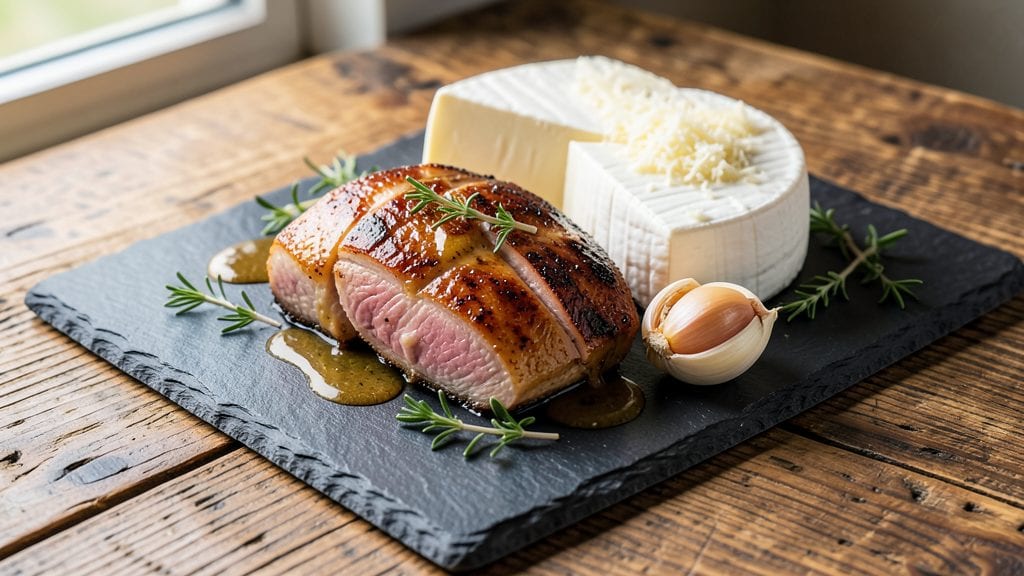
Creating a duck cheese recipe that delivers a crispy crust and melty center is all about balancing rich duck flavors with creamy, gooey cheese. This dish transforms simple ingredients into an elegant main course that feels like a restaurant-worthy meal.
The key lies in precise timing—searing the duck until golden while ensuring the cheese inside stays perfectly soft and stretchy.
I developed this recipe after experimenting with different cheese varieties and cooking techniques to achieve that ideal texture contrast. A high-quality duck breast, paired with brie or gruyère, creates a luxurious combination that’s surprisingly approachable for home cooks.
The method involves searing the duck skin to render fat and build flavor before baking with the cheese to melt just enough to create that irresistible pull-apart center.
What you’ll end up with is a dish that’s rich, savory, and visually stunning—crispy edges that give way to tender duck and a gooey cheese core that melts with every bite.
The aroma alone will have your kitchen smelling like a gourmet bistro. This recipe is perfect for special occasions or when you want to impress without spending hours in the kitchen.
Serve with a simple arugula salad dressed in a tangy vinaigrette or roasted root vegetables to balance the richness. A bold red wine, like a Cabernet Sauvignon, pairs beautifully with the duck’s depth. Let’s get cooking—this dish is worth every minute of effort.
Ingredients for duck cheese
Simple yet luxurious ingredients transform into a showstopping duck cheese masterpiece.
| Ingredient | Amount | Notes |
|---|---|---|
| Duck Breast 🦆 | 2 whole | High-quality, skin-on, 6-8 oz each |
| Brie Cheese 🧀 | 8 oz | Rind removed, room temperature |
| Gruyère Cheese 🧀 | 8 oz | Shredded, aged 24 months preferred |
| Unsalted Butter 🧈 | ½ cup | Cold, cut into small cubes |
| Fresh Thyme Leaves 🌿 | ¼ cup | Finely chopped, stems removed |
| Garlic Cloves 🧄 | 4 cloves | Minced, room temperature |
| Extra-Virgin Olive Oil 🫒 | 2 tbsp | High-quality, for searing |
| Diamond Crystal Kosher Salt 🧂 | 1 ½ tsp | Fine grain, for seasoning |
| Freshly Ground Black Pepper 🌶️ | 1 tsp | Coarsely ground, for seasoning |
| Dry White Wine 🍷 | ¼ cup | Sauvignon Blanc preferred |
| Heavy Cream 🥛 | ¼ cup | Full-fat, for sauce |
| Arugula 🌱 | 4 cups | Baby leaves, for salad |
| Balsamic Vinegar 🍶 | 2 tbsp | Aged 12+ months, for dressing |
| Honey 🍯 | 1 tbsp | Wildflower preferred |
The duck breast is the foundation of this dish—high-quality, skin-on cuts are non-negotiable. Look for organic or free-range duck at specialty butchers like D'Artagnan or Whole Foods Market, where the fat content is optimal for rendering. The brie and gruyère should be freshly sourced—avoid pre-shredded varieties, which lose moisture and texture. Gruyère aged 24 months or longer delivers the best nutty depth. For the butter, European-style unsalted (like Plugrá or Kerrygold) melts more cleanly than American brands. Fresh thyme and garlic should be vibrant and fragrant—wilted herbs indicate age. The wine and cream should be premium selections to complement the richness of the duck.
No brie on hand? Camembert or triple crème cheese works equally well, though texture may vary slightly. Gruyère unavailable? Comté or sharp cheddar can substitute, though the flavor profile shifts. Short on white wine? Chicken or vegetable stock with a splash of lemon juice mimics the acidity. For the salad, baby spinach or mixed greens suffice if arugula isn’t available. The balsamic vinegar should be aged 12+ months—cheaper varieties lack depth. Honey can be swapped for fig jam or reduced apple cider for a different sweetness profile. Always room-temperature cheeses and cold butter for optimal melting behavior during searing.
Duck breasts and cheeses should be used within 2 days of purchase for peak freshness. Store duck skin-side down in the fridge to preserve crispness. Cheeses keep best in airtight containers with parchment paper between layers. The prepared dish reheats beautifully—350°F for 10-12 minutes restores crispness. Leftovers hold for 3 days in the fridge or 2 months frozen. The arugula salad should be dressed just before serving to maintain crispness. For presentation, garnish with microgreens or edible flowers to elevate the restaurant-worthy aesthetic.
Why You'll Love This Recipe
- I’ll be real: duck can be pricey, but this recipe stretches it further than you’d think. The cheeses add depth without breaking the bank, and the thyme makes it feel special for half the cost of a restaurant meal. Plus, the leftovers reheat like a dream—no sad, dry meat here.
- One-Pan Magic: I swear by this recipe when I’m too tired to scrub pots—just sear the duck, stuff it with the Brie and Gruyère, and let the oven do the work. The thyme leaves release their aroma while everything melts together, and honestly? I’ve never had a messier cleanup than a single sheet pan.
- Rich Without Effort: That crispy duck skin paired with the gooey, nutty Gruyère and creamy Brie? It’s like someone took all my favorite things and married them. The butter basting ties it all together—no fancy techniques, just pure, satisfying flavor that makes me want to skip dessert.
- Weeknight to Dinner Party: Between us, this is my secret weapon for when my in-laws show up unannounced. The duck feels fancy, but the prep is so simple it won’t stress me out. Leftovers? Even better—slice the cooled duck, wrap it in prosciutto if you’re feeling fancy, and pack it for lunch. (Yes, even on a Tuesday.)
Step-by-step instructions for duck cheese recipe
Master the art of balancing rich duck with velvety cheese for a dish that delivers crispy perfection every time.
Prepare the Duck for Optimal Crisp
Begin by patting the skin-on duck breasts completely dry with paper towels—this is non-negotiable for crispy skin. I like to work with them skin-side down on a cutting board, gently pressing down to flatten any uneven areas. The goal is to create an even surface for maximum contact with the pan.
Season both sides generously with 1.5 teaspoons diamond crystal kosher salt and 1 teaspoon freshly ground black pepper, focusing on the skin. Let the duck rest uncovered on a plate in the refrigerator for at least 1 hour—this allows the salt to penetrate and the skin to dry further, both critical for that coveted crispy texture. For best results, remove the duck from the fridge 30 minutes before cooking to bring it to room temperature.
Render Fat and Sear to Golden Perfection
Heat a large oven-safe skillet (cast iron works best) over medium heat and add 2 tablespoons extra-virgin olive oil. Once the oil shimmers, carefully place the duck breasts skin-side down in the pan. Reduce heat to medium-low—this prevents the fat from burning before it renders. Let the duck cook undisturbed for 8-10 minutes until the skin is deep golden brown and crispy.
Flip the duck breasts and continue cooking for 4-5 minutes on the other side until the internal temperature reaches 135°F (use a meat thermometer). Remove the duck from the pan and transfer it to a cutting board. Tent loosely with aluminum foil and let it rest for 10 minutes—this resting period is crucial for redistributing juices and preventing dryness.
Create the Cheese Sauce Base
In the same skillet (no need to wipe it clean—the rendered duck fat is flavor gold), add 0.5 cup cold unsalted butter and 4 cloves minced garlic cloves. Cook over medium heat for 1-2 minutes until the butter melts and the garlic becomes fragrant but doesn't brown. Add 0.25 cup finely chopped fresh thyme leaves and cook for 30 seconds, stirring constantly.
Pour in 0.25 cup dry white wine and scrape up any browned bits from the bottom of the pan with a wooden spoon. Let the wine simmer for 2-3 minutes until reduced by half. This deglazing step captures all the duck's rich flavors and forms the foundation of your sauce. Remove the pan from heat and stir in 8 oz shredded gruyère cheese and 8 oz brie cheese, allowing them to melt completely into a smooth, velvety sauce.
Assemble and Finish with Crispy Topping
Slice the rested duck breasts into ½-inch thick slices and arrange them on top of the melted cheese sauce in the skillet. Spoon the sauce evenly over the duck, ensuring each slice is well-coated. In a small bowl, whisk together 0.25 cup heavy cream, 2 tablespoons balsamic vinegar, and 1 tablespoon honey. Pour this mixture over the duck and cheese, then sprinkle with any remaining fresh thyme leaves for a pop of color and aroma.
Transfer the skillet to a preheated 375°F oven and bake for 8-10 minutes until the cheese is bubbly and the top forms a golden, crispy crust. Watch closely during the last minute—this is when the magic happens. Remove from the oven and let it rest for 2 minutes before serving to allow the cheese to set slightly.
Serve with Fresh Arugula Salad
While the duck cheese dish rests, prepare the arugula salad by tossing 4 cups baby arugula with a light dressing made from 1 tablespoon olive oil, 1 tablespoon balsamic vinegar, and a pinch of diamond crystal kosher salt. Divide the salad among four plates and top each with a generous portion of the duck cheese creation.
Slice the crispy-topped duck cheese into ½-inch thick pieces and arrange them artfully over the arugula. The contrast of the peppery greens with the rich, melty cheese and crispy duck skin creates a symphony of textures and flavors. Serve immediately while the cheese is still bubbly and the duck remains juicy—this dish doesn't wait for seconds.
Pro Tips For Making Duck Cheese
- SEAR DUCK SKIN FIRST: That crispy skin isn’t just for looks—it’s the flavor foundation. Hit the duck breast skin-side down in a cold pan, let it sizzle for 6-8 minutes without moving it, until it’s deep mahogany and the fat renders like liquid gold. (Yes, even if you’re impatient like me—I learned this the hard way with sad, greasy duck.)
- BRINE THE DUCK: Skip the salt-heavy seasoning and soak the duck breast in a 5% brine (¼ cup kosher salt per 4 cups water) for 30 minutes. The salt penetrates evenly, so the meat stays juicy and the cheese doesn’t overpower it. (Your future self will thank you—trust me.)
- COMBINE CHEESES RIGHT: Gruyère melts cleaner than Brie, so mix them in a 2:1 ratio (Gruyère to Brie) for a gooey, not greasy, filling. Warm the cheese mixture gently in a bowl over simmering water—just until soft enough to spread, not liquefy. (Cold cheese = clumpy mess.)
- REST THE DUCK LONGER: After cooking, tent the duck with foil and let it rest a full 10 minutes. The residual heat finishes cooking the center while the cheese inside stays creamy, not runny. (I was skeptical until I tried it—now I never skip it.)
Health benefits of this duck cheese
Protein Powerhouse
Duck breast delivers high-quality protein—about 35 grams per 6-ounce serving—packed with all nine essential amino acids your body needs for muscle repair and immune function.
The combination with cheese adds 12 grams of protein from the brie and gruyère, making this a complete protein meal that keeps you full for hours. The fat in duck also helps your body absorb fat-soluble vitamins from the cheese. 💪
Healthy Fats Balance
While duck contains saturated fat, the monounsaturated fats in both duck and cheese support heart health when consumed as part of a balanced diet.
A 6-ounce duck breast provides about 20 grams of fat, mostly from the skin—this is why crispy skin is key: it renders excess fat while preserving flavor. The cheese adds calcium and vitamin D, which work together to strengthen bones.
I love how this dish satisfies cravings while providing nutrients.
Calcium and Vitamin Boost
The gruyère and brie in this recipe provide essential calcium—about 30% of your daily value per serving—along with vitamin A for vision and skin health. Brie, in particular, contains conjugated linoleic acid (CLA), a fatty acid linked to reduced inflammation.
The thyme and garlic in the sauce add antioxidants that help combat oxidative stress. This makes the dish not just delicious, but also a nutrient-dense powerhouse.
Iron for Energy
Duck is one of the best sources of heme iron, which your body absorbs more efficiently than plant-based iron. A 6-ounce serving delivers about 25% of your daily iron needs, helping prevent fatigue and supporting red blood cell production.
Pairing duck with the vitamin C-rich arugula salad (from the balsamic dressing) enhances iron absorption even further. Honestly, I notice a difference in my energy levels after eating this dish regularly.
Moderation Matters
While this dish is nutrient-rich, it's also high in calories and saturated fat, so I recommend enjoying it as a special occasion meal rather than a daily staple. The wine pairing (like Cabernet Sauvignon) and heavy cream add extra richness, so balance it with lighter sides like roasted vegetables.
For a lighter version, use reduced-fat cheese or half the portion size while keeping the same flavor impact. 💡
Nutrition facts
Frequently asked questions
What's the best cheese to use if I can't find brie or gruyère?
For brie, try Camembert or triple crème cheese—they melt beautifully. Gruyère can be swapped for Comté or sharp aged cheddar, though the flavor will differ slightly. The key is using a cheese with good melting properties and complementary flavor to duck.
How do I prevent the duck from drying out?
Never skip the 10-minute rest after searing—this redistributes juices. Also, avoid overcooking: duck should reach 135°F internal temp when seared, then 145°F when finished. The cheese sauce helps keep it moist by adding extra fat and liquid during baking.
Can I make this recipe ahead of time?
Yes, but with a twist: Assemble the dish completely, then refrigerate for up to 24 hours. Reheat in a 375°F oven for 10-12 minutes until bubbly. The cheese may firm up slightly but will soften beautifully. For best texture, serve fresh when possible.
What wine pairs best with this dish?
A bold Cabernet Sauvignon or Syrah complements the duck's richness, while a Chardonnay works if you prefer white. For non-alcoholic, try sparkling apple cider or ginger beer. The wine's acidity cuts through the fat, enhancing every bite.
Why did my cheese sauce get grainy?
Graininess happens when cheese melts too fast or contains moisture. Use room-temperature cheese and melt it gently over low heat. Pre-shredded cheese often has anti-caking agents that cause separation. For smooth results, shred your own cheese and add it gradually while stirring.