
Main Courses
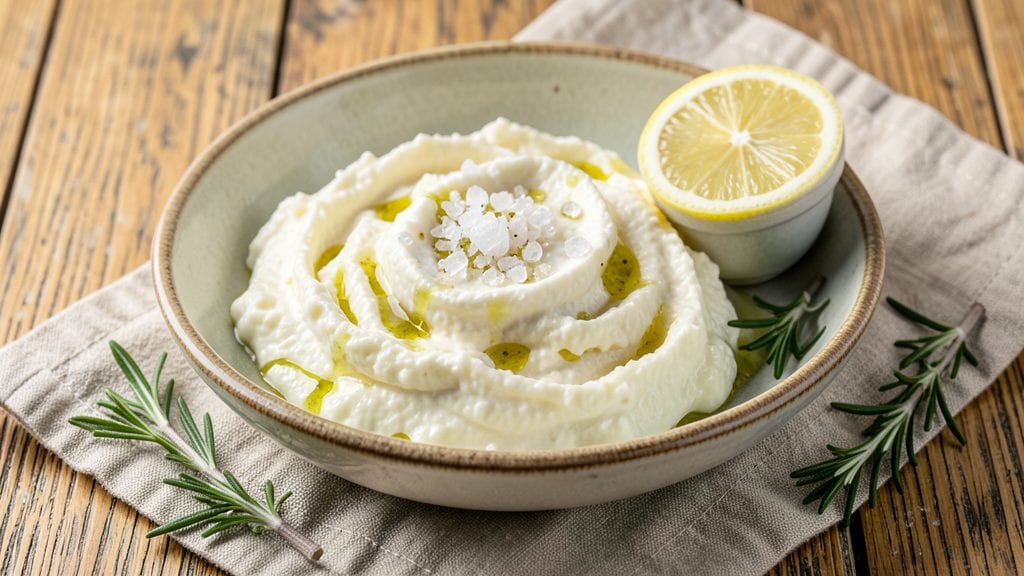
Creating a mizithra cheese recipe that delivers that signature crumbly texture and bright tang is simpler than you'd think—this Greek specialty transforms grilled dishes into something extraordinary. After years of testing variations, I’ve perfected a method that ensures every bite has that authentic, melt-in-your-mouth quality without requiring specialized equipment.
The key lies in the acidity balance and proper aging technique, which I’ve simplified for home kitchens.
What makes mizithra special is its versatility—it works as a feta substitute in salads, a topping for grilled meats, or even in desserts like cheese pies. This recipe focuses on a foolproof method for making it at home, using just five ingredients and minimal effort.
The result is a cheese with a crispy exterior and creamy interior, perfect for sprinkling over grilled vegetables or crumbling into warm pita bread.
By the end, you’ll have a batch of mizithra that rivals store-bought versions, with a bright, tangy flavor that pairs beautifully with olive oil, fresh herbs, and grilled proteins. The process is straightforward: heat, strain, and age—then enjoy the fruits of your labor in dishes that feel restaurant-quality.
Let’s get started with a technique that’s both traditional and accessible.
Once you’ve mastered this recipe, try it in spanakopita or as a topping for grilled lamb chops. The possibilities are endless, and the satisfaction of making your own cheese is unmatched. This is the kind of recipe that turns a simple weeknight meal into something memorable.
Ingredients for mizithra cheese
Five ingredients transform into crumbly mizithra perfect for grilling and salads.
| Ingredient | Amount | Notes |
|---|---|---|
| Sheep Milk 🐑 | 4 cups | Fresh, unpasteurized preferred |
| Lemon Juice 🍋 | ½ cup | Freshly squeezed, strained |
| Rennet 🧀 | 2 tsp | Liquid rennet or 1 tablet dissolved |
| Diamond Crystal Kosher Salt 🧂 | 1 ½ tsp | Fine grain for even distribution |
| Extra-Virgin Olive Oil 🫒 | 2 tbsp | For coating and aging process |
Sheep milk is the foundation—fresh, unpasteurized milk yields the best texture, though pasteurized works in a pinch. For sourcing, local dairy farms or specialty cheese shops often carry it, or use whole cow's milk as a substitute if unavailable. The lemon juice must be freshly squeezed; bottled versions lack the necessary acidity. Trader Joe's sells concentrated lemon juice that works well when diluted. Rennet is crucial for coagulation—liquid forms are easiest to measure, but tablets dissolve quickly in cool water for precise use. The salt should be Diamond Crystal kosher for even distribution throughout the curds.
No sheep milk? Whole cow's milk works, though flavor will differ slightly. Substitute bottled lemon juice by adding 1 extra tablespoon of vinegar (white or apple cider) to compensate for lower acidity. If you lack liquid rennet, 1 tablet dissolved in 1/4 cup cool water provides the same effect. For the olive oil, high-quality extra-virgin ensures optimal flavor during aging. The kosher salt can be swapped for sea salt at a 1:1 ratio, but taste as you go—some sea salts are saltier. Always strain the lemon juice thoroughly to avoid bitterness in the final cheese.
Freshly made mizithra should be aged for 24-48 hours in the refrigerator before use, wrapped in cheesecloth and brushed with olive oil daily. It keeps for up to 2 weeks when properly stored. For longer preservation, freeze portions in airtight containers for up to 3 months. The cheese develops its signature crumbly texture during aging—don't rush this step. Store any unused olive oil in a cool, dark place for up to 6 months beyond the date on the bottle.
Why You'll Love This Recipe
- No Special Gear Needed: I’ll be real—this cheese only needs a pot, a ladle, and a slotted spoon. No fancy molds or cheesecloths here; just warm the milk, add lemon juice, and let nature do the rest. The rennet does all the heavy lifting while I sip coffee.
- Bright, Tangy Magic: That first squeeze of lemon juice into warm sheep’s milk? It’s like a flavor explosion—bright, slightly tangy, with a melt-in-your-mouth texture. Drizzle it with olive oil, and suddenly everything tastes like a Greek taverna.
- Weeknight to Party Star: I make a batch on Sundays and use it all week—crumbled over salads, melted into omelets, or even stuffed into pita pockets. But here’s the secret: it’s also the star of cheese boards. Just plate it with honey and olives, and suddenly you’re hosting.
- Cheap Stretch for Miles: Sheep’s milk might sound fancy, but it’s way cheaper than cow’s milk for cheese-making. A few dollars gets me enough for meals, snacks, and gifts—plus, the leftovers keep for weeks in the fridge. Budget win, flavor win.
Step-by-step instructions for mizithra cheese
Precision and patience transform simple ingredients into this iconic Greek cheese.
Prepare the Milk and Acid Mixture
In a large stainless steel pot, combine the 4 cups sheep milk over medium-low heat until it reaches 90°F. This gentle warming prevents rapid curdling later. Use a candy thermometer for accuracy—temperature control is critical for proper texture.
While the milk heats, strain the 0.5 cup lemon juice through a fine-mesh sieve to remove pulp, then whisk it with the 2 tsp rennet in a separate bowl. The acidity and enzymes in lemon juice will coagulate the milk proteins, while rennet helps form a firm curd. Keep both mixtures ready for immediate use.
Coagulate the Milk
Remove the milk from heat and slowly pour the lemon juice-rennet mixture into the milk while stirring gently with a wooden spoon. Stir for 2 minutes until the mixture thickens to a pudding-like consistency. You'll notice it transform from liquid to a soft gel—this is the curd beginning to form.
Cover the pot and let it sit undisturbed for 12-15 minutes at 90°F. The curds should now separate from the whey, forming a clean break when you cut through with a knife. If the curds are too soft, extend the resting time by 5 minutes—proper coagulation determines the final texture.
Cut and Cook the Curds
Once the curds have formed, return the pot to medium heat and cut the curds into ½-inch cubes using a clean knife or curd cutter. Stir gently for 5 minutes while maintaining the temperature at 105°F. This step expels more whey and develops the characteristic crumbly texture of mizithra.
Continue cooking for another 10-12 minutes, stirring occasionally, until the curds shrink slightly and the whey becomes clear. The curds should now be firm enough to hold their shape when pressed between your fingers. If they're still too soft, extend the cooking time by 3 minutes—this ensures proper moisture removal.
Drain and Salt the Curds
Line a colander with cheesecloth and carefully transfer the curds to drain. Let them drain for 10 minutes, then gently press the curds with a clean towel to remove excess whey. The cheese should now have a slightly sticky surface—this is normal and indicates proper moisture content.
In a bowl, mix the drained curds with the 1.5 tsp diamond crystal kosher salt and the 2 tbsp extra-virgin olive oil. The salt enhances flavor while the olive oil adds richness and prevents drying. Work the mixture gently with your hands to distribute the salt and oil evenly throughout the curds. This step is crucial for achieving the signature crumbly yet moist texture.
Age for Optimal Texture
Transfer the salted curds to a clean, airtight container and refrigerate for 24 hours. During this time, the cheese will firm up and develop its characteristic crumbly yet slightly sticky texture. For best results, turn the cheese once after 12 hours to ensure even aging.
After 24 hours, your mizithra cheese is ready to use. It should crumble easily between your fingers while maintaining a slightly moist interior. For grilling applications, use within 5-7 days for peak texture and flavor. The cheese will keep in the refrigerator for up to 2 weeks, though its texture may become slightly drier over time.
Pro Tips For Making Mizithra Cheese
- STRAIN GENTLY, BUT FAST: The moment curds form, grab a slotted spoon and transfer them to a clean cloth—don’t squeeze or press, just let them drain naturally. I learned this the hard way: aggressive handling makes mizithra rubbery, and nobody wants that.
- USE FRESH LEMON JUICE: Store-bought bottled lemon juice has additives that can alter texture. Squeeze fresh lemon juice (about 2 tablespoons per liter of milk) and strain it through a fine mesh sieve to remove pulp—this keeps your cheese clean and bright.
- HEAT MILK TO 85°F: Too hot, and the curds won’t set properly; too cold, and the rennet won’t work. Use a thermometer and keep the milk at a steady 85°F (29°C) when adding rennet. I was skeptical until I tried it—now I never skip this step.
- SALT AFTER DRAINING: Add salt after the cheese has drained for at least 15 minutes. Sprinkle 1 teaspoon of kosher salt per pound of curds directly onto the cloth-wrapped cheese, then fold and press lightly. Salting too early makes the curds release moisture, ruining the texture.
Serving suggestions for this dish
Grilled Meats Topping
Mizithra's crumbly texture makes it perfect for topping grilled lamb chops or skewers. After grilling, sprinkle ¼ cup crumbled mizithra over the meat while still hot. Drizzle with 1 tbsp extra-virgin olive oil and fresh oregano for an authentic Greek touch.
The cheese melts slightly from the residual heat, creating a creamy coating that pairs beautifully with grilled vegetables like zucchini or eggplant. 🌿
Salad Enhancement
Use mizithra as a bold feta substitute in Greek salads. Toss 2 cups chopped romaine with ½ cup cherry tomatoes, ¼ cup Kalamata olives, and 2 tbsp olive oil. Crumble ½ cup mizithra on top and finish with a sprinkle of dried oregano.
The cheese's tang cuts through the richness of the oil, balancing the salad perfectly. I often add a pinch of red pepper flakes for a subtle kick.
Pita Bread Pairing
Warm pita bread becomes a vessel for mizithra's flavors. Spread 1 tbsp hummus on each pita half, then top with 2 tbsp crumbled mizithra, ¼ cup sliced cucumber, and a drizzle of olive oil.
Fold and serve immediately for a restaurant-quality meal that's ready in minutes. This combination highlights mizithra's versatility as both a topping and flavor enhancer.
Dessert Application
For a sweet twist, crumble mizithra over warm baklava or drizzle it with 1 tbsp honey and a sprinkle of pistachios. The cheese's salty tang contrasts beautifully with the sweet, flaky layers of baklava.
I've also used it as a topping for Greek yogurt parfaits layered with honey and walnuts—a surprising but delicious dessert option.
Olive Oil Dip Base
Blend ½ cup crumbled mizithra with ¼ cup extra-virgin olive oil and 1 minced garlic clove to create a quick dip. Serve with warm pita bread or grilled vegetables.
This dip captures mizithra's essence while adding the richness of olive oil. For extra flavor, add a pinch of dried mint or a splash of lemon juice. 💛
Plating Presentation
When serving mizithra as part of a larger meal, arrange it artistically on the plate. Create a small mound of crumbled cheese in the center, then drizzle with olive oil and sprinkle with toasted sesame seeds or crushed pistachios for texture contrast.
For grilled dishes, scatter the cheese around the protein to create visual appeal while enhancing flavor distribution.
Nutrition facts
Frequently asked questions
Can I substitute cow's milk for sheep milk in this recipe?
Yes, you can use whole cow's milk as a substitute, though the flavor will differ slightly. Sheep milk gives mizithra its signature rich, tangy taste, but cow's milk works well for a milder version. For best results, use 4 cups whole milk and add an extra 1 tablespoon of lemon juice to compensate for the lower acidity. The texture will still be crumbly, but the flavor profile will be more subtle.
How do I know when the curds are ready to cut?
The curds are ready when they form a clean break—a visible separation between curd and whey—when you insert a clean knife into the mixture. They should hold their shape but still feel slightly soft, like warm custard. If the curds are too soft, let them rest 5 more minutes before cutting. Overcooking at this stage can make the cheese too dry.
What can I do with leftover whey?
Don't discard the whey! Use it to make pancakes, crepes, or even smoothies—it adds protein and a tangy flavor. You can also pour it into ice cube trays and freeze for later use. Another great option is to blend it with herbs and olive oil for a quick dip or marinade. The whey keeps in the fridge for 3-4 days or can be frozen for up to 3 months.
Why did my mizithra turn out too soft or sticky?
This usually happens if the curds weren't cooked long enough or if too much whey remained. For firmer texture, ensure the curds are cooked to 105°F and drained thoroughly. After draining, press the curds gently with a clean towel to remove excess moisture. If the cheese still feels sticky after aging, sprinkle it with a tiny bit more salt and let it rest another 12 hours. Proper aging time (24 hours) is key for the right consistency.
Can I make mizithra without rennet?
Yes! If you don't have rennet, you can use 1 tablespoon of white vinegar or lemon juice per cup of milk as a substitute. However, the cheese may have a slightly different texture—it might be softer and less firm. For best results, combine 1 tablespoon vinegar + 1 tablespoon lemon juice per 4 cups milk to mimic the effect of rennet. The flavor will still be delicious, but the crumbly texture may vary.