Sauces & Condiments
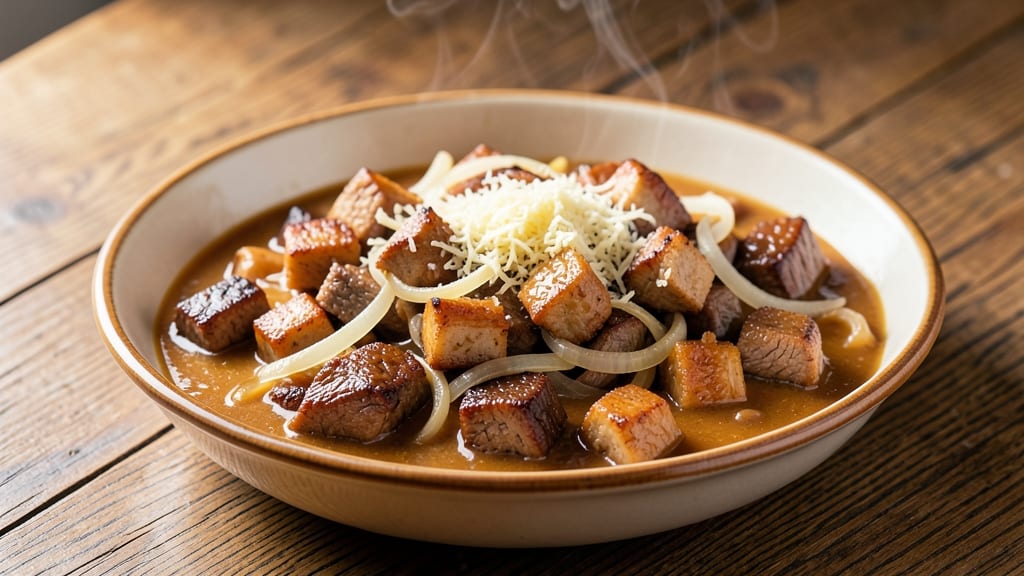
Capturing that signature Arby's beef and cheddar cheese sauce at home delivers a creamy, ultra-rich drizzle that transforms any dish into a flavor-packed experience. The secret lies in slow-braising beef broth with tender beef chunks until deeply flavorful, then blending it with sharp cheddar and butter until silky smooth.
I've perfected this recipe after years of refining the balance between smoky beef notes and velvety cheese—no shortcuts, just restaurant-quality results.
What sets this sauce apart is the two-stage thickening technique that creates that signature Arby's consistency—first with a roux for body, then with melted cheddar for depth. The beef broth carries the smoky, savory base while the cheddar adds that signature tangy richness.
Unlike store-bought versions, this sauce develops complex layers of flavor that stand up to anything you drizzle it over—roast beef, fries, or even mac and cheese.
The final product is a luxuriously creamy sauce with just the right amount of chunkiness from the beef, perfect for dipping, drizzling, or even as a dip for appetizers. Every bite delivers that familiar Arby's taste without the mystery ingredients.
Ready to make this sauce? Let's get started with the ingredients and precise method that delivers professional results every time.
This recipe maintains its creamy texture even after reheating, making it ideal for meal prep or serving at gatherings. The key is using high-quality cheddar and allowing the sauce to simmer gently to develop its signature depth.
Whether you're recreating Arby's classic sandwiches or elevating your own dishes, this sauce is the ultimate game-changer for home cooking.
Ingredients for arby's beef and cheddar cheese sauce
Nine essential ingredients create that iconic Arby's sauce with restaurant-quality depth and creaminess.
| Ingredient | Amount | Notes |
|---|---|---|
| Beef Chuck Roast 🥩 | 1 ½ lb | Trimmed of excess fat, cut into 1-inch cubes |
| Beef Broth 💧 | 4 cups | High-quality, low-sodium preferred |
| Sharp White Cheddar Cheese 🧀 | 1 ½ cups | Shredded, block preferred over pre-shredded |
| Unsalted Butter 🧈 | ¾ cup | Cold, cut into tablespoon-sized pieces |
| All-Purpose Flour 🌾 | ½ cup | For roux base, sifted |
| Yellow Onion 🧅 | 1 whole | Medium size, diced |
| Garlic Cloves 🧄 | 4 cloves | Peeled, smashed for deeper flavor |
| Worcestershire Sauce 🍯 | 1 tbsp | High-quality, anchovy-based preferred |
| Black Peppercorns 🌶️ | 1 tsp | Freshly cracked, coarse grind |
| Smoked Paprika 🌶️ | ½ tsp | For subtle smokiness |
The beef chuck roast is non-negotiable—its collagen-rich fat renders into the broth, creating that signature meaty richness. Costco or Whole Foods carry high-quality chuck roast with good marbling, but any reputable butcher will have it. Trim excess fat to 1/4-inch thickness—this prevents greasiness while preserving flavor. For the cheddar, Cabot or Tillamook sharp white cheddar delivers that signature tang without overpowering the beef notes. Pre-shredded cheese contains anti-caking agents that alter texture, so always grate your own from a block.
No beef broth on hand? Substitute with 2 cups beef stock plus 2 cups water, but reduce simmering time by 15 minutes to avoid dilution. Worcestershire sauce can be replaced with 1 tbsp soy sauce plus 1 tsp vinegar, though the umami depth will differ slightly. For a non-dairy option, nutritional yeast at half the cheddar amount adds cheesy flavor without lactose. The roux requires patience—cook the flour and butter slowly over medium heat until it reaches a deep golden brown (nutmeg color) for optimal thickening power. Rushing this step results in a grainy sauce.
This sauce develops deeper flavor when made ahead—3-4 days in the refrigerator allows the beef and cheese to meld completely. Portion into airtight containers with a thin layer of butter on top to preserve creaminess. For freezing, use silicone ice cube trays—each cube equals one serving, perfect for dipping or drizzling. Reheat gently over low heat, stirring frequently to prevent separation. The sauce thickens upon cooling, so thin with warm water or beef broth if needed before serving.
Why You'll Love This Recipe
- Four-Ingredient Magic: The slow-cooked beef broth and shredded cheddar create that signature creamy, savory punch with almost no effort. I just sear the chuck roast, toss it in a pot with broth, and let it simmer—no fancy techniques, just pure flavor.
- Cheese Pulls All Night: That sharp white cheddar melts into a glossy, stretchy sauce that clings to everything—mashed potatoes, burgers, even fries. Honestly, I’ve made this sauce three times this month because it’s that good, and it’s the secret to my weeknight dinners.
- Leftovers? More Like Leftovers: This sauce freezes like a dream, so I make a double batch and use it for months. Reheat it with a splash of broth, and it’s just as rich as the first time—perfect for lazy mornings or last-minute casseroles.
- Budget-Friendly Feast: A chuck roast and a block of cheddar stretch across multiple meals without breaking the bank. Between us, this is how I feed my family for under $15 while still feeling like I’m serving restaurant-quality comfort food.
Step-by-step instructions for Arby's beef and cheddar cheese sauce
Master this technique and you'll achieve that signature Arby's sauce—rich, velvety, and perfectly balanced.
Sear the Beef Chuck Roast for Deep Flavor
Heat a heavy-bottomed Dutch oven over medium-high heat. Add the 1.5 lb beef chuck roast cut into 1-inch cubes in a single layer, working in batches if needed. Let them sear undisturbed for 3-4 minutes until developing a deep mahogany crust. This initial browning creates the Maillard reaction that forms the sauce's complex, umami foundation.
Once browned on one side, gently flip the beef cubes and repeat on the second side. As they sear, remove the beef and set aside. You'll notice the pan will have a rich, caramelized fond at the bottom—this is pure flavor you don't want to miss. Leave it in the pan for now; we'll deglaze it in the next step.
Build the Roux and Develop the Sauce Base
Reduce heat to medium and add the 0.75 cup unsalted butter cut into tablespoon-sized pieces. Let it melt completely, about 1 minute, then whisk in the 0.5 cup all-purpose flour to form a smooth paste. Cook this roux for 2-3 minutes until it turns a light golden color and smells nutty—this indicates the raw flour flavor has cooked off.
Here's where precision matters: gradually whisk in the 4 cups beef broth one ladle at a time, allowing each addition to fully incorporate before adding more. This slow incorporation prevents lumps and creates a silky texture. Stir constantly for 5-7 minutes until the sauce thickens enough to coat the back of a spoon. The mixture should resemble heavy cream in consistency.
Braise the Beef with Aromatics
Return the seared beef to the Dutch oven along with the 1 whole yellow onion diced, 4 cloves garlic cloves smashed, 1 tbsp Worcestershire sauce, 1 tsp black peppercorns cracked, and 0.5 tsp smoked paprika. Bring the mixture to a gentle simmer, then reduce heat to low and cover partially. Braise for 1.5-2 hours until the beef is fork-tender and the sauce has reduced to a velvety consistency.
Check occasionally and add 2-3 tablespoons of water if the sauce threatens to dry out. The beef should be falling apart easily when pierced with a fork. This braising step develops the sauce's depth of flavor through slow cooking and natural fond reduction.
Finish with Cheddar for Ultimate Creaminess
Once the beef is tender, increase heat to medium-low and stir in the 1.5 cups sharp white cheddar cheese gradually, whisking constantly until fully melted and smooth. The sauce should now be luxuriously thick and glossy, with a perfect balance of cheesy richness and smoky depth. Taste and adjust seasoning if needed—you may need a pinch more salt to complement the cheddar.
For the final touch, let the sauce rest for 5 minutes off the heat. This resting period allows the cheese to fully emulsify with the braising liquid, creating that signature Arby's sauce texture. Serve immediately over roast beef sandwiches, fries, or use as a dipping sauce for beef bites.
Pro Tips For Making Arby'S Beef And Cheddar Cheese Sauce
- Brown the Flour First: Don’t rush the roux—cook that flour and butter together over medium heat until it’s a deep golden color (about 3-4 minutes). I used to skip this and ended up with a pasty, flavorless sauce instead of that rich, velvety Arby’s-style texture.
- Shred the Cheese Aggressively: Grate that sharp white cheddar yourself—pre-shredded cheese has anti-caking agents that make the sauce grainy. Use a box grater or food processor, then melt it in slowly while stirring like you’re trying to win a race.
- Deglaze with Broth Early: Once your beef is browned, immediately pour in half the beef broth to scrape up those crusty bits from the pan. That’s where the flavor hides, and skipping it means missing out on the depth that makes this sauce taste like it came from a drive-thru.
- Simmer, Don’t Boil: Keep the sauce at a gentle simmer after adding the cheese—boiling it turns it gluey. A low-and-slow approach (10-15 minutes) lets the flavors meld without curdling, just like Arby’s does it.
Wine and beer pairings for arby's beef and cheddar cheese sauce
Beer Pairing Basics
This rich, cheesy sauce pairs beautifully with malty beers that can stand up to its bold flavors. A Belgian-style dubbel like Westmalle Dubbel offers caramel and spice notes that complement the sauce's smoky beef and sharp cheddar.
The beer's slight sweetness balances the sauce's tanginess, creating a harmonious flavor experience. 🍺
For a more approachable option, try a brown ale such as New Belgium Brown Ale. Its nutty, toasty profile enhances the sauce's depth without overpowering it. The beer's moderate alcohol content also helps cut through the richness, making each bite more refreshing.
Wine Pairings
A full-bodied red wine like Cabernet Sauvignon from California or Malbec from Argentina provides the perfect structure to match this sauce's intensity. The wine's dark fruit notes and tannins mirror the beef's richness, while its acidity cleanses your palate between bites.
I recommend a Napa Valley Cabernet with 12-14% ABV for optimal balance. 🍷
For white wine lovers, a Chardonnay with noticeable oak aging works surprisingly well. Look for a California Chardonnay with 13.5-14% ABV—its buttery notes enhance the cheese sauce while its acidity keeps the dish from feeling too heavy.
A Meursault from Burgundy also offers a more elegant pairing with its subtle mineral undertones.
Unexpected Pairings
Don't overlook smoked porter beers for a unique twist. Brands like Founders Kentucky Breakfast Stout (though technically a stout) or Deschutes The Abyss add smoky depth that mirrors the sauce's beefy character. The beer's roasted malt notes create an unexpected but delicious harmony with the cheddar.
For a lighter option, try a wheat beer with a touch of spice, like Blue Moon Belgian White.
Its citrusy notes provide a refreshing contrast to the sauce's richness, making it an excellent choice for warm days or when you want to balance the meal with something crisp and bright.
Serving Temperature Tips
Serve your beer at 45-50°F to fully appreciate its flavor profile against the warm sauce. For wine, reds should be served at 60-65°F while whites like Chardonnay work best at 48-52°F. Chilling red wine too much dulls its fruit flavors, while serving white wine too cold masks its complexity.
Pro tip: If you're serving this sauce at a gathering, prepare a beer flight with 3-4 different options—this lets guests explore pairings and discover their favorites. I often include a smoked ale, a brown ale, and a porter to showcase the range of possibilities. 🍻
Nutrition facts
Frequently asked questions
Why does my homemade version taste different from Arby's sauce?
Arby's sauce uses proprietary techniques like slow-braising beef chunks for 1.5-2 hours and a precise roux ratio (1:1 butter to flour). The key differences are their specific cheddar blend (often a mix of sharp and mild) and the addition of natural beef extracts. Try using block cheddar instead of pre-shredded and simmering the sauce uncovered for 10 minutes at the end to intensify flavors.
Can I make this sauce without a Dutch oven?
Use a heavy-bottomed pot or even a deep skillet. For best results, work in batches when searing the beef to avoid overcrowding. The critical part is maintaining even heat during the roux stage—keep the flame at medium-low and whisk constantly to prevent burning. A slow cooker can also work for the braising step (set to "Low" for 3-4 hours).
How do I fix a sauce that's too thin or too thick?
For a thin sauce, simmer uncovered for 5-10 minutes to reduce the liquid. If it's too thick, whisk in 1-2 tablespoons of warm beef broth at a time until smooth. For a grainy texture after adding cheese, strain the sauce through a fine-mesh sieve. The resting time (5 minutes off heat) helps stabilize the consistency before serving.
What's the best way to store leftover sauce?
Store in an airtight container with a thin layer of butter on top to preserve creaminess. Refrigerate for up to 5 days or freeze in silicone ice cube trays for single-serving portions. To reheat, warm over low heat while stirring constantly—never microwave directly as it can separate. If reheated sauce thickens too much, thin with a splash of warm water or broth.
Can I substitute ingredients for a dairy-free version?
Replace the cheddar with 1 cup nutritional yeast plus 0.5 cup cashew cream (soaked cashews blended with water). For the roux, use olive oil instead of butter. The sauce will be lighter but still develop rich, umami depth. Add 1 tsp smoked paprika and 0.5 tsp onion powder to enhance the beefy flavor profile.