
Appetizers
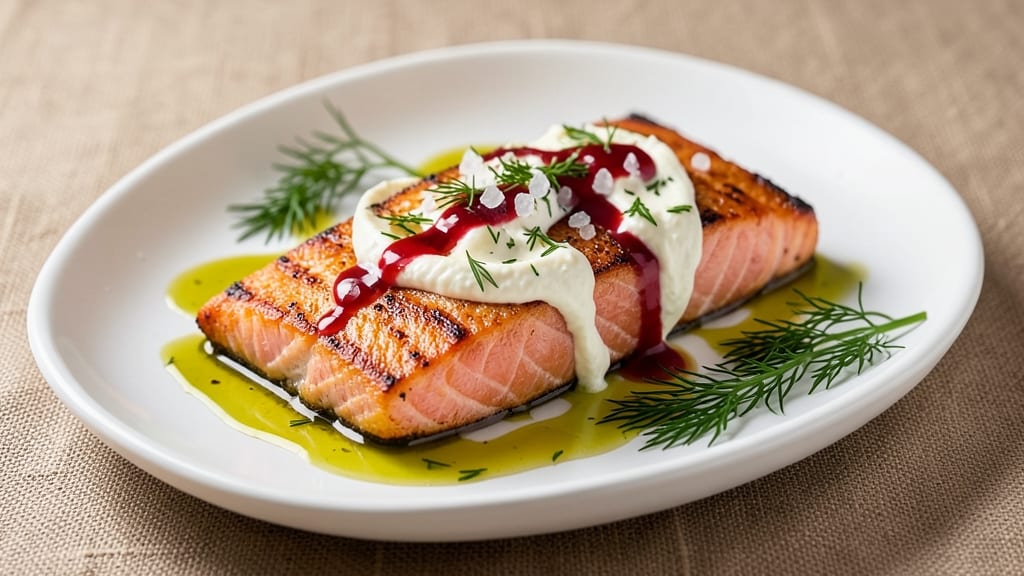
This salmon and cottage cheese recipe combines the delicate richness of omega-3 packed salmon with the creamy texture of cottage cheese for an appetizer that's both elegant and surprisingly simple.
The key lies in perfectly cooked salmon—whether pan-seared or broiled to maintain its natural moisture—paired with a dollop of seasoned cottage cheese that adds a tangy contrast. I developed this dish after realizing how often restaurant-quality appetizers could be replicated at home with just a few thoughtful techniques.
The beauty of this recipe is its versatility—you can serve it as bite-sized canapés on toasted baguette slices, as a light main course with fresh herbs, or even as a protein-packed breakfast option.
The salmon should be cooked to just below medium doneness (about 125°F internal temperature) to ensure it stays tender, while the cottage cheese adds a creamy element that balances the dish's richness. A squeeze of lemon and sprinkle of dill elevate both components without overpowering their natural flavors.
What you'll end up with is a dish that's visually appealing with its golden salmon and creamy white cottage cheese, while delivering a perfect balance of textures and flavors. The omega-3s from the salmon pair beautifully with the protein-rich cottage cheese, creating a combination that's both satisfying and nutritious.
This recipe proves that elegant appetizers don't require complicated techniques—just the right ingredients and a little attention to detail.
Serve these light bites at gatherings, as a starter for dinner parties, or even as a sophisticated snack option. The preparation is straightforward, yet the result feels restaurant-quality. Let's get started with this perfect balance of protein and dairy that will impress even the most discerning guests.
Ingredients for salmon cottage cheese
Twelve ingredients transform into elegant salmon bites with creamy cottage cheese contrast.
| Ingredient | Amount | Notes |
|---|---|---|
| Center-Cut Salmon Fillets 🐟 | 1 ½ lb | Skin-on, even thickness preferred |
| Full-Fat Cottage Cheese 🧀 | 1 cup | 2% or 4% fat for creaminess |
| Extra-Virgin Olive Oil 🫒 | 2 tbsp | Light variety for delicate flavor |
| Fresh Dill 🌿 | ¼ cup | Finely chopped, stems removed |
| Fresh Lemon Juice 🍋 | 2 tbsp | From 1 medium lemon |
| Diamond Crystal Kosher Salt 🧂 | 1 tsp | Fine grain for delicate seasoning |
| Freshly Ground Black Pepper 🌶️ | ½ tsp | Cracked peppercorns preferred |
| Baguette Slices 🍞 | 8 pieces | Crust removed, toasted |
| Garlic Cloves 🧄 | 2 cloves | Minced for garnish |
| Microgreens or Arugula 🌱 | ½ cup | For garnish, optional |
| Toasted Almond Slices 🥜 | ¼ cup | For crunchy texture |
| Unsalted Butter 🧈 | 1 tbsp | For salmon searing |
The salmon selection is critical—center-cut fillets with skin ensure even cooking and optimal texture. Whole Foods Market and Trader Joe's typically carry the highest quality, often pre-trimmed for convenience. Look for fillets with vibrant pink flesh and minimal bruising. The cottage cheese should be full-fat (2% or 4%) for that luxurious creaminess—Organic Valley or Kroger's store brand are excellent choices. Fresh dill is non-negotiable here; dried simply won't provide the same bright, herbal note. For the olive oil, California Avocado's light variety maintains the salmon's delicate flavor without overpowering it.
No fresh dill? Substitute with 1 tbsp dried dill, but reduce to one-third the amount. Running short on salmon? Trout or halibut work beautifully with this preparation. The baguette can be replaced with water crackers or endive leaves for a gluten-free option. For extra crunch, toasted pine nuts are a splendid alternative to almonds. The lemon juice should be freshly squeezed—bottled versions lack the necessary acidity and brightness. If you're preparing ahead, keep the salmon and cottage cheese components separate until serving to maintain texture.
Store fresh salmon in the coldest part of your fridge, wrapped in parchment paper, and use within 2 days for optimal tenderness. Cottage cheese keeps for 1 week in its original container, while fresh dill should be wrapped in a damp paper towel and refrigerated for up to 5 days. The toasted almonds or pine nuts can be prepped 3 days ahead and stored in an airtight container. When ready to serve, assemble the components just before guests arrive to preserve the delicate textures and vibrant colors that make this dish so visually appealing.
Why You'll Love This Recipe
- Five-Ingredient Magic: I swear, this recipe feels like cheating—just salmon, cottage cheese, olive oil, dill, and lemon. That’s it. No fancy sauces or last-minute shopping runs. Honestly, I keep it in my weekly rotation because it’s the kind of dish that proves you don’t need a lot to make something special.
- Creamy Crisp Contrast: Between us, the texture here is next-level: that flaky, golden salmon paired with the cool, tangy cottage cheese. The lemon brightens it up so much, and the dill? It’s like a little burst of freshness in every bite. (Yes, even on a Tuesday night.)
- Lunchbox to Dinner: This recipe works for everything—pack it in a bento for work, serve it at a brunch spread, or double it for a hearty dinner. I’ll be real: my kids actually eat their veggies when I sneak them into the cottage cheese mix. (Not the prettiest, but the taste makes up for it.)
- Budget-Friendly Protein: Salmon’s a bit pricier, but cottage cheese stretches it like crazy—plus, it’s one of those ingredients that keeps for weeks. I make a big batch on Sundays, and it lasts me through the week without feeling like a repeat. Not the fanciest, but it’s solid.
Step-by-step instructions for salmon and cottage cheese bites
This method delivers perfectly seared salmon with a creamy, protein-rich cottage cheese topping—balanced texture and flavor in every bite.
Prepare the Salmon and Seasoning
Pat the 1.5 lb center-cut salmon fillets completely dry with paper towels, removing any moisture from the skin side. This ensures maximum crispness when searing. Place the fillets skin-side down on a cutting board and use a sharp knife to make shallow, diagonal cuts about ¼-inch apart across the flesh side—this creates channels for the cottage cheese to nestle into later.
In a small bowl, combine 1 tsp diamond crystal kosher salt, 0.5 tsp freshly ground black pepper, and 2 tbsp fresh lemon juice. Rub this mixture evenly over both sides of the salmon fillets, pressing gently to help the seasoning adhere. Let the seasoned salmon rest at room temperature for 15 minutes—this ensures even cooking and prevents overcooking the outer edges.
Sear the Salmon to Perfect Doneness
Heat a large skillet over medium-high heat until it's very hot—you should see a slight shimmer when you hover your hand above it. Add 1 tbsp unsalted butter and let it melt completely, then add 2 tbsp extra-virgin olive oil. Once the oil is shimmering, carefully place the salmon fillets skin-side down in the pan.
Sear for 4-5 minutes without moving them, until the skin is deep golden brown and crispy, and the edges begin to lift slightly. Flip the fillets and cook for another 3-4 minutes on the flesh side until the internal temperature reaches 125°F—this ensures the salmon is perfectly cooked through but still moist. Transfer the fillets to a plate and tent loosely with foil to keep warm.
Prepare the Cottage Cheese Topping
While the salmon rests, transfer the 1 cup full-fat cottage cheese to a medium bowl. Add the 0.25 cup finely chopped fresh dill and 2 tbsp fresh lemon juice, then stir until the mixture is smooth and well combined. The cottage cheese should be creamy but still hold its shape slightly—this ensures it stays cohesive when spread over the salmon.
Toast 8 pieces baguette slices in a dry skillet over medium heat for 1-2 minutes per side until golden brown and crisp. Rub each slice with 1 clove minced garlic while still warm, then set aside. The garlic will infuse the bread with subtle depth, complementing the salmon's natural flavors.
Assemble the Bites and Garnish
Using a spoon, carefully spread the cottage cheese mixture evenly over the flesh side of each salmon fillet, pressing gently to help it adhere to the cut channels. Place a toasted baguette slice on top of each fillet, pressing lightly to create a neat, bite-sized package. The warm bread will help the cottage cheese soften slightly, creating a creamy contrast to the crispy salmon skin.
Arrange the assembled bites on a serving platter and garnish with 0.5 cup microgreens or arugula and 0.25 cup toasted almond slices. The microgreens add a fresh, peppery note, while the almonds provide a satisfying crunch that balances the richness of the salmon and cottage cheese. Serve immediately while the salmon is still warm and the bread is crisp.
Pro Tips For Making Salmon Cottage Cheese
- Pat Dry First: Salmon sticks to the pan like it’s auditioning for a glue commercial if you skip this. Grab paper towels and press hard—don’t just dab—especially near the edges where moisture pools. Wet skin = sad sear.
- Salt the Cottage Cheese: Full-fat cottage cheese tastes bland straight from the tub. Mix in ½ teaspoon of flaky salt per ½ cup and let it sit for 10 minutes—this balances the acidity and makes the texture richer. (Yes, even if the label says it’s "low-sodium.")
- Sear Skin-Side Down: The crispy skin is the star here, so hit the salmon skin-side down in a cool (not smoking-hot) pan with olive oil. Let it render fat for 3–4 minutes before flipping—rushing this step means you’ll end up with a sad, greasy mess instead of a golden crust.
- Zest Before Juicing: Lemon juice brightens the dish, but the zest adds depth without overpowering. Use a microplane to add 1 teaspoon of zest to the cottage cheese while it sits—it melts in and infuses flavor way better than just squeezing juice at the end. (Save the juice for drizzling later.)
Troubleshooting perfect results
Salmon Overcooked
If your salmon ends up dry or rubbery, it was likely cooked past 125°F internal temperature. Use a meat thermometer to monitor doneness—pull it out immediately when it hits 120-125°F.
For extra insurance, I recommend searing skin-side down first, then flipping and cooking flesh-side up for just 2-3 minutes at 125°F. 🌡️
Cottage Cheese Too Watery
Full-fat cottage cheese should hold its shape but still be creamy. If yours separates or looks runny, strain it through a fine-mesh sieve lined with cheesecloth for 5 minutes before using. For extra stability, mix in 1 tbsp cornstarch with the cottage cheese before adding the dill and lemon.
I’ve found Organic Valley 4% fat holds together best when chilled for 30 minutes before assembling.
Bread Getting Soggy
Toast your baguette slices until they’re deep golden brown and crisp, then rub with garlic while still warm. Assemble the bites just before serving—if you must prep ahead, store components separately and toast the bread fresh.
For extra insurance, place assembled bites on a wire rack over a baking sheet to prevent steam buildup. 🍞
Flavor Too Mild
Boost brightness with an extra 1 tbsp lemon juice and ½ tsp smoked paprika mixed into the cottage cheese. For depth, add 1 tsp capers or 1 tbsp finely chopped red onion to the cottage cheese mixture.
I also recommend finishing with a pinch of fleur de sel and a crack of black pepper right before serving.
Salmon Skin Not Crispy
Pat the salmon completely dry before searing, and use a cold skillet to start—heat it gradually to medium-high while the salmon comes to room temperature. A 1 tbsp butter and 2 tbsp olive oil combo creates the perfect crispy skin.
Never move the salmon during the initial 4-5 minutes of cooking.
Cottage Cheese Separating
If the cottage cheese curdles during cooking, it likely got too hot. Keep the mixture at room temperature until ready to use, and avoid adding warm ingredients like freshly toasted bread.
For a smoother texture, blend the cottage cheese with the dill and lemon juice in a food processor for 10 seconds before spreading. 🧀
Nutrition facts
Frequently asked questions
Can I use smoked salmon instead of fresh?
Smoked salmon works beautifully in this recipe—just reduce the cooking time to 2-3 minutes per side since it's already cooked. For extra flavor, add a pinch of smoked paprika to the cottage cheese mixture. The texture will be slightly firmer, but the smoky depth pairs wonderfully with the creamy cheese.
How do I make this recipe gluten-free?
Replace the baguette with gluten-free crackers or endive leaves as the base. For extra stability, lightly toast the crackers or use the leaves as a bed for the salmon and cottage cheese. The rest of the recipe remains unchanged, and the flavors will still shine through beautifully.
Can I prepare this ahead of time?
Yes, but with a few key adjustments. Cook the salmon and toast the bread, then store them separately in the fridge for up to 2 days. Assemble just before serving to keep everything crisp. The cottage cheese topping can be prepped 1 day ahead and stored in an airtight container. Reheat the salmon gently in a warm oven (200°F for 5 minutes) before assembling.
What's the best way to reheat leftovers?
For best results, reheat the salmon in a skillet over low heat for 2-3 minutes per side until warmed through. Avoid the microwave, as it can make the cottage cheese watery. If reheating the whole bite, place it on a baking sheet and warm in a 300°F oven for 5-7 minutes to maintain crispness.
Is this recipe kid-friendly?
With a few tweaks, yes! Serve the salmon and cottage cheese as separate components—let kids assemble their own bites. For picky eaters, reduce the lemon juice and dill in the cottage cheese, or offer a mild dipping sauce like plain yogurt mixed with a touch of honey. The texture contrast alone often wins over hesitant young palates.